Let’s start with the basics.
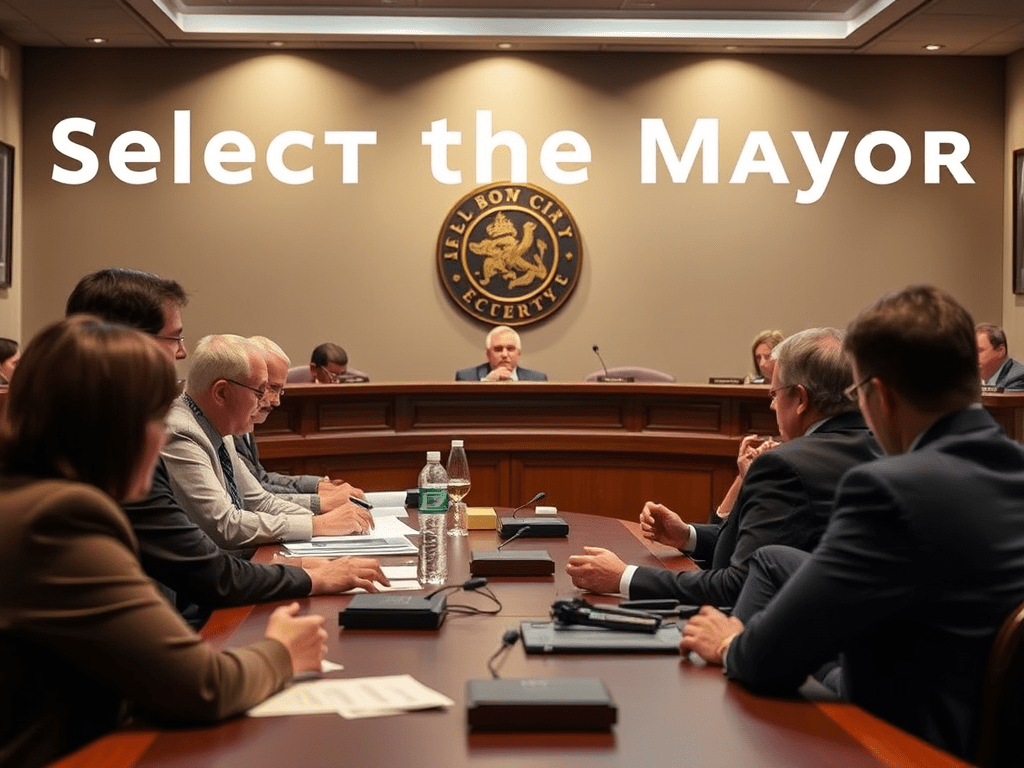
Residents of El Cerrito vote for City Council members, not for a mayor. Once elected, councilmembers vote among themselves each year to determine who will serve as Mayor and Mayor Pro Tem. The positions typically rotate annually, and the vote is often ceremonial. The mayor has no executive powers that set them apart from their colleagues. They run meetings, sign proclamations, and represent the city at events—but the power lies with the council as a whole.
In other words, El Cerrito has a “weak mayor” form of government, where the mayor serves primarily as the public face of the council—not as a separate, powerful office.
So Why Do We Celebrate Our Mayors So Publicly?
Despite the absence of a citywide vote, we often hear phrases like:
“We elected our first Black woman mayor!” “El Cerrito just made history with its first openly gay mayor!” “We now have an Asian American mayor—representation matters!”
These headlines are well-meaning. They reflect civic pride and a desire to uplift leaders who reflect the diversity of our community. And they’re not wrong to celebrate what those milestones represent.
But here’s the nuance: the public didn’t choose that person to be mayor. They chose them to be a member of a five-person body—and that body rotated the title.
We’re not saying representation isn’t important. It is. In fact, it’s vital. But when the process is misunderstood, we risk over-crediting symbolism and under-valuing the substance of governance.
The Symbol vs. the System
In El Cerrito, the mayor is a symbol, not a separate office with a public mandate. When we celebrate a new “historic” mayor, we should ask:
What policies is the mayor advancing? How do they vote on key issues like budgeting, housing, infrastructure, and public safety? Are we holding all councilmembers equally accountable—regardless of who holds the rotating title?
If we’re not careful, celebrating identity milestones without examining governance records can let underperformance slip through the cracks. Representation without accountability is just good PR.
The Real Choice Happens at the Council Level
El Cerrito voters have the power to shape leadership—but only by voting for councilmembers. That’s the real election. That’s when policies, priorities, and values are supposed to be on the line.
If we want stronger, more responsive local government, we need to:
Focus on council elections and who’s running. Ask hard questions about performance, not just identity. Hold all councilmembers accountable—not just the one with the ceremonial title.
Why This Matters Now
El Cerrito faces real challenges: a shaky financial future, aging infrastructure, rising pension costs, and critical decisions about how to serve an aging population.
We need councilmembers who are ready to lead—not just take turns with a title. We should care more about how they govern than how they look at a podium.
And if we want a directly elected mayor with a clear mandate from voters? That would require a change to our city charter—a conversation worth having, but one that hasn’t yet been meaningfully pursued.
Final Thoughts
Let’s continue celebrating the diversity of our leaders. Let’s also be honest about the system that puts them in those roles. El Cerrito doesn’t elect mayors. We rotate them. And while that tradition has benefits—shared leadership, low drama, less politicking—it also calls on residents to look deeper.
Don’t let symbolism substitute for scrutiny. Pay attention to who’s on the council, how they vote, and what they stand for—because that’s where real leadership lives.
If you want more transparency in El Cerrito government, demand better. If you want real change, vote with purpose. The title of “mayor” may rotate, but your voice as a resident never should.
 El Cerrito Committee for Responsible Government (ECCRG)