Influenced by a concerned citizen’s social media post
The takeaway from the Plaza BART library issue is simple: we need to pay far more attention to what our city government is doing. Many of us only became aware of the flaws in this measure because a few individuals started asking questions and raising the alarm. That should give all of us pause.
There are plenty of other things happening in El Cerrito that deserve the same level of scrutiny. This wasn’t an isolated situation—it was a glimpse into how decisions are communicated, how information is shared, and how much effort it takes for the public to truly understand what’s being proposed in our name.
One of the biggest challenges is the lack of consistent, professional journalism focused on El Cerrito. That’s why the presence of www.livableelcerrito.org matters. We are glad it’s here because the journalism brings a level of attention, curiosity, and effort to understanding city operations that has been missing. Having someone take the time to dig deeper, ask questions, and present information in a structured way is not something to take for granted.
At the same time, one voice—even a strong one—is not enough. El Cerrito needs broader circulation of information and more independent, unbiased coverage so residents can see the full picture. A healthy civic environment depends on multiple perspectives, thoughtful analysis, and access to clear, factual reporting that isn’t filtered through a single lens.
Without that kind of ecosystem, many residents are left relying on partial information. In the case of this measure, many petition signers only had access to what the backers told them. That’s not informed consent—it’s a gap in transparency.
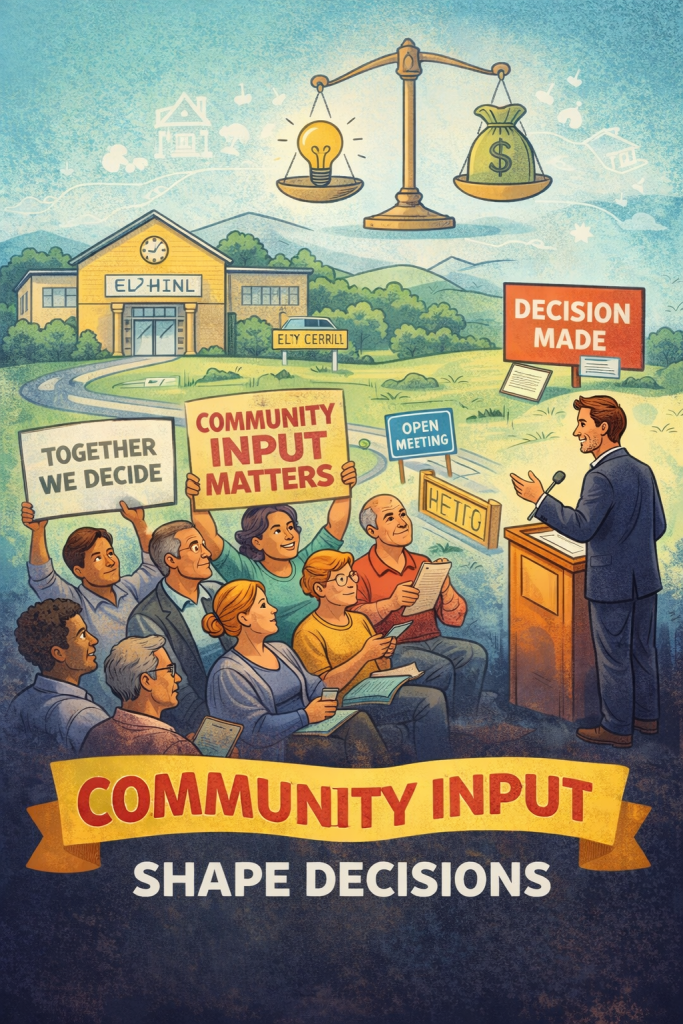
Just as important is how decisions are actually made. Too often, the public is brought into the process after key decisions have already taken shape. By the time a proposal reaches a public meeting, the direction is largely set, the framing is established, and the range of options has already been narrowed. What’s presented as “public input” can feel more like validation than genuine engagement.
That doesn’t mean the process is intentionally exclusionary, but it does mean it’s incomplete. True public engagement happens earlier—when options are still open, trade-offs are still being debated, and community input can meaningfully shape the outcome. When that early engagement doesn’t happen, trust erodes, and residents begin to feel like decisions are being made for them rather than with them.
The reality is that most of the information we receive about the city’s ongoing operations comes directly from the city itself. Public input opportunities exist, but they are often structured around decisions that have already taken form. For many residents, the only moment of real influence comes at the ballot box.
That’s why informal channels have become so important. The lively discussion on Nextdoor is one example. It can get messy, but that’s the nature of real public debate. And it’s not just Nextdoor—this blog also gets messy at times. But that messiness reflects something important: people are paying attention, pushing back, and trying to understand.
Before, Nextdoor and this blog were among the only places where candid, unfiltered conversations about city operations and finances were happening. They weren’t perfect, but they were honest. And in a landscape where official narratives often dominate, that honesty matters.
The lesson from Measure C shouldn’t just be about one project or one vote. It should be a turning point. We need earlier engagement, more transparency in how decisions are formed, and more independent voices helping residents understand what’s really at stake.
Because if we only engage at the end, we’re not really shaping our city—we’re reacting to it
 El Cerrito Committee for Responsible Government (ECCRG)