The Richmond Street Complete Streets Project is moving forward under the Contra Costa Transportation Authority (CCTA) oversight, which issued the regional Request for Proposals (RFP 23-3) to deliver bicycle and pedestrian safety improvements across Contra Costa County. This initiative is funded through the federal Safe Streets and Roads for All (SS4A) program, which supports local safety projects aimed at reducing transportation-related deaths and injuries—particularly in historically underserved communities.
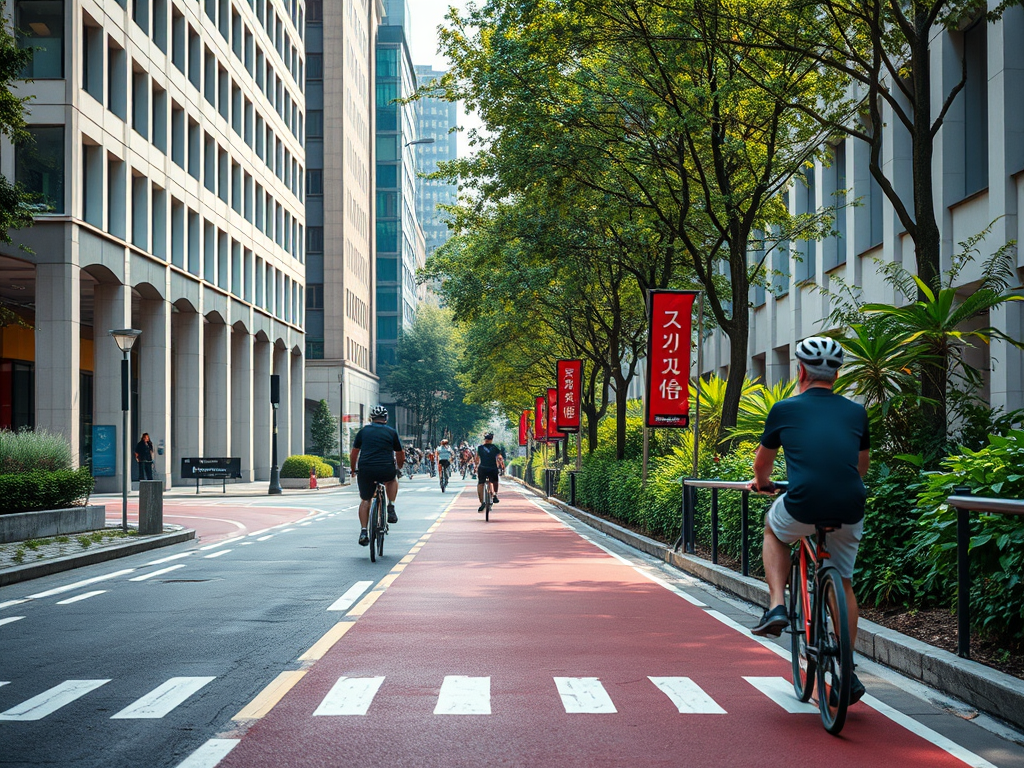
CCTA, as the SS4A grant recipient, entered into cooperative agreements with local agencies, including the City of El Cerrito, each of which was responsible for implementing safety improvements in its jurisdiction. For El Cerrito, that means reimagining Richmond Street, a two-lane corridor stretching from Fairmount Avenue to the northern city limits. This road serves schools, churches, civic buildings, and a senior housing complex—and it’s now the focus of a planning effort that could reshape how residents move through their neighborhoods.
What’s Actually Being Planned?
The winning proposal from CSW/Stuber-Stroeh Engineering Group, supported by subconsultants Fehr & Peers and Orion Engineers, outlines a plan that includes:
- Roadway safety audits
- Traffic calming measures
- Sidewalk and curb ramp upgrades
- Bicycle infrastructure “if feasible”
- Environmental reviews and stormwater design
- Limited community outreach
The stated goal is to improve safety and accessibility for all users—pedestrians, cyclists, and drivers—while aligning with El Cerrito’s Complete Streets Policy and Bicycle and Pedestrian Master Plan.
However, much of the project’s public discussion has focused on bike lanes, even though the RFP only calls for “recommendations for separated bicycle facilities if feasible.” That phrasing matters: it signals that bike lanes are not required—and should only be added if they’re a good fit for the community, street layout, and budget.
Are Bike Lanes Required?
Despite what some may assume, bike lanes are not legally required on Richmond Street. El Cerrito’s policy frameworks encourage safer multimodal infrastructure, but they stop short of mandating bike lanes on every corridor—especially when design constraints, parking needs, or adjacent alternatives exist.
Richmond Street is already a constrained corridor with limited space, no existing bike lanes, and heavy usage from school traffic, seniors, and neighborhood events. Adding Class II (striped) or Class IV (protected) bike lanes would likely require removing on-street parking or narrowing travel lanes—decisions with serious implications for safety, accessibility, and livability.
Do We Even Need Bike Lanes on Richmond?
There’s an existing alternative that few are talking about: the Ohlone Greenway.
This paved multi-use trail, just a few blocks west of Richmond Street, runs parallel to the corridor and was purpose-built for pedestrian and bicycle use—with almost no vehicle traffic. The only exceptions are the rare presence of city or police vehicles performing official duties. The Greenway connects residents to schools, BART stations, parks, and neighborhoods across El Cerrito. In many ways, it already fulfills the function bike lanes on Richmond would serve.
The Greenway does have issues: uneven pavement, root damage, and poor drainage have made sections of it difficult to use—especially for seniors, children, and people with mobility challenges. But these are maintenance problems, not justification to duplicate infrastructure on a nearby street with tighter physical and functional constraints.
Rather than impose expensive and potentially disruptive bike lanes on Richmond Street, El Cerrito should prioritize repairing and enhancing the Ohlone Greenway—an existing, safe corridor with no cars and clear regional utility.
What Will Bike Lanes Cost?
This remains unclear. The consultant proposal does not provide a separate cost estimate for adding bike lanes to Richmond Street. However, associated tasks—like striping, curb and ramp upgrades, traffic signal adjustments, and stormwater infrastructure—can significantly increase both upfront and long-term costs.
More importantly, any infrastructure added under a federal grant will eventually fall under the City’s responsibility to maintain. That means ongoing sweeping of bike lanes, upkeep of signage, and regular repairs. If costly modifications are installed and underused, the financial burden falls back on local taxpayers.
A transparent design process should offer the public clear choices, such as:
- No bike lanes (focus on pedestrian and traffic calming improvements)
- Shared-lane markings (“sharrows”) as a low-impact alternative
- Full bike lanes, with line-item costs and trade-offs
Who’s Actually Biking Here?
To date, no recent usage study has been provided for Richmond Street. The City’s Bicycle and Pedestrian Master Plan and earlier corridor studies are several years old and focused on other areas, such as San Pablo Avenue and South El Cerrito.
The consultant team mentions using travel data from local schools, but there’s no plan—yet—for updated counts of cyclists or pedestrians on Richmond itself. Without this data, it’s difficult to make the case that bike lanes are either necessary or a top priority.
If public dollars are to be spent wisely, real usage data must drive design—not assumptions.
When Will Residents Have a Voice?
Public input is expected to be limited. The consultant’s proposal includes just one open house, a handful of stakeholder interviews, and an online survey.
But Richmond Street is not just another road—it’s a key connector for seniors, school families, churchgoers, and pedestrians. Its design must reflect their lived realities—not just a grant writer’s checklist. Meaningful engagement should include multilingual materials, outreach at school sites and senior facilities, and open acknowledgment of competing needs.
What Comes Next?
With the contract awarded and design work underway, El Cerrito residents still have time to ask important questions:
- What is the cost of each proposed improvement—especially bike lanes?
- Who will maintain any new infrastructure when federal funding runs out?
- Are there real usage numbers for bicycles on Richmond Street?
- Why duplicate infrastructure when the Ohlone Greenway already exists nearby?
- Will removing parking harm safety or accessibility for seniors and students?
Infrastructure decisions have lasting consequences. While grants like SS4A offer much-needed funding, they should be used thoughtfully, not automatically. If El Cerrito wants a street that works for all, it must start by listening to the people who use it—and by investing where the need is real.
Contact the El Cerrito City Council and Share Your Concerns:
- Mayor Carolyn Wysinger — cwysinger@ci.el-cerrito.ca.us
- Mayor Pro Tem Gabe Quinto — gquinto@ci.el-cerrito.ca.us
- Councilmember Lisa Motoyama — lmotoyama@ci.el-cerrito.ca.us
- Councilmember Rebecca Saltzman — rsaltzman@ci.el-cerrito.ca.us
- Councilmember William Ktsanes — wktsanes@ci.el-cerrito.ca.us
- City Clerk — cityclerk@ci.el-cerrito.ca.us
 El Cerrito Committee for Responsible Government (ECCRG)