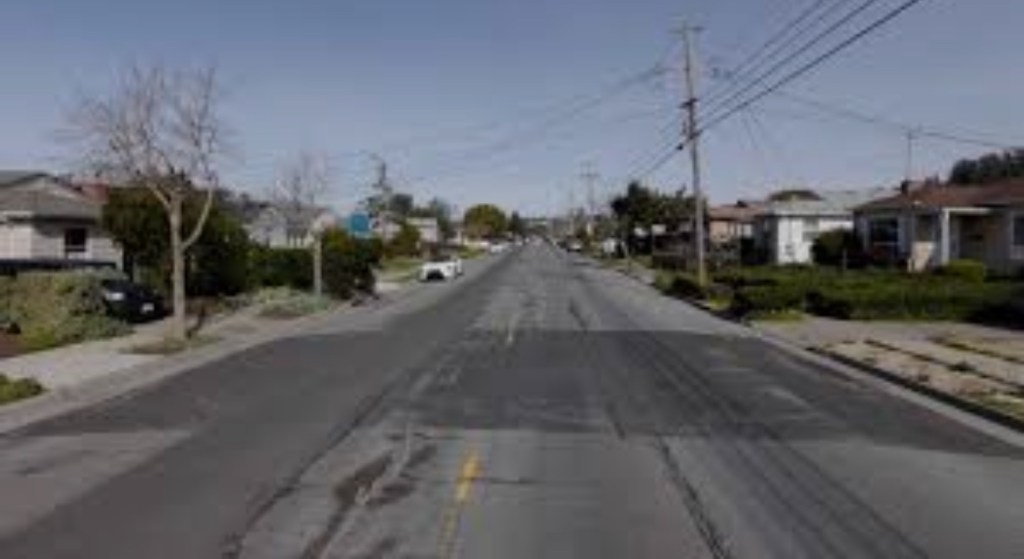
It’s hard to believe what the mayor said during the recent debate over the Richmond Street bike lane project. In an effort to justify a deeply flawed ordinance, she accused longtime residents of “appropriating the language of the oppressed.” Somehow, homeowners—many of them retired, working-class, or first-time buyers—were cast as the oppressor class.
This isn’t equity. It’s a power play.
Richmond Street is one of the most affordable neighborhoods in El Cerrito. One resident who lived on nearby Liberty Street for seven years before moving up the hill remembers it well. The people there aren’t privileged elites—they’re carpenters, teachers, postal workers, and bus drivers. Many scraped together what they could to buy their first (and often only) home. Now, they’re being told they’re standing in the way of progress.
Let’s be honest: this ordinance harms them. That’s the con. And the “pro”? A self-congratulatory narrative where the City Council gets to claim it’s saving the environment, and residents up the hill get to signal virtue by saying they live in a progressive, climate-conscious city.
But the mayor didn’t stop there. Her actions were more than condescending—they were colonial in nature. She used her political power to impose a plan on a working-class neighborhood without meaningful input, then cloaked that harm in moral language. That’s not leadership. That’s the behavior of a colonizer—using authority to displace and disrupt others, then justifying it as the greater good.
It’s especially galling when there are plenty of alternative bike routes already in use. The Ohlone Greenway is a safe, car-free corridor. Cyclists have navigated El Cerrito safely for years. And yet, the city chose to remove parking in a dense residential neighborhood—knowing full well it would hit the elderly, the disabled, and low-income residents the hardest.
Some bike lane advocates would gladly eliminate cars entirely—not because of climate concerns, but because they don’t own one. That aloofness—the disdain for anyone who doesn’t fit their lifestyle—is actually the language of the oppressor.
Meanwhile, investment firms are watching closely. Medium- and high-density developments are coming, and policies like these make it easier to force them through—especially when the people in the way are cast as obstacles instead of neighbors.
This isn’t about bikes. It’s about who gets to live here—and who doesn’t.
So no, this isn’t justice. And it’s certainly not equity. It’s displacement, disguised as progress.
#ElCerrito #ElCerritoPolitics #RichmondStreet #ElCerritoCityCouncil #ElCerritoResidents #DisplacementDisguisedAsProgress #EquityOrErasure #PowerAndParking #WorkingClassVoices #UrbanColonialism #FalseProgress #BikeLaneDebate #TransitJustice #StreetEquity #MobilityForAll #CommunityVoices #LocalGovernmentMatters #AccountabilityNow #WeDeserveBetter


Thank you, nicely stated exposing the mask. We need more citizens who can see through the charade.
https://www.richmondstreetforall.com/
LikeLike
What do you expect from someone who publicly told an Arab woman that she was “hiding being the whiteness of [her] skin”? I’m sure the local democratic leadership is very happy with her however — truly reflects their values of identity (those within an approved list, of course) over substance.
What’s lovely about El Cerrito’s governance structure is that while the city manager pillages the coffers, a bunch of self-righteous sycophant city council members can shake a few hands, take some PR photos, and claim they are working for the people. Really makes your political career quite easy — ask Quinto!
LikeLike