El Cerrito residents are being asked to pay more taxes again. But before taxpayers hand over another dime, there’s a much bigger question that deserves an honest answer:
What happened to the money we already approved?
Over the past decade, El Cerrito residents have been asked repeatedly to approve new or extended taxes.
Utility Users Tax (UUT) – Currently set at 10% on utilities including electric, gas, water, and telecommunications. Extended and increased to support general city services, this tax quietly grows alongside every monthly bill.
Parcel Taxes – Flat taxes applied per parcel regardless of income. While individual measures may seem modest — often $100 to $300 or more annually — layered over time they create a cumulative and ongoing burden on residents.
Sales Tax Measures – El Cerrito’s combined sales tax rate is now approximately 10.25%, placing it among the higher rates in the region and increasing the cost of everyday goods and services.
Real Property Transfer Tax (RPPT) – Increased to approximately $12 per $1,000 of property value, meaning a $1 million property sale can trigger roughly $12,000 in transfer taxes. Residents were told this revenue would help fund priorities including the Senior Center. Yet despite the increased taxes, the city ultimately shuttered the Senior Center anyway. Taxpayers were promised support for seniors. Instead, they watched the facility close.
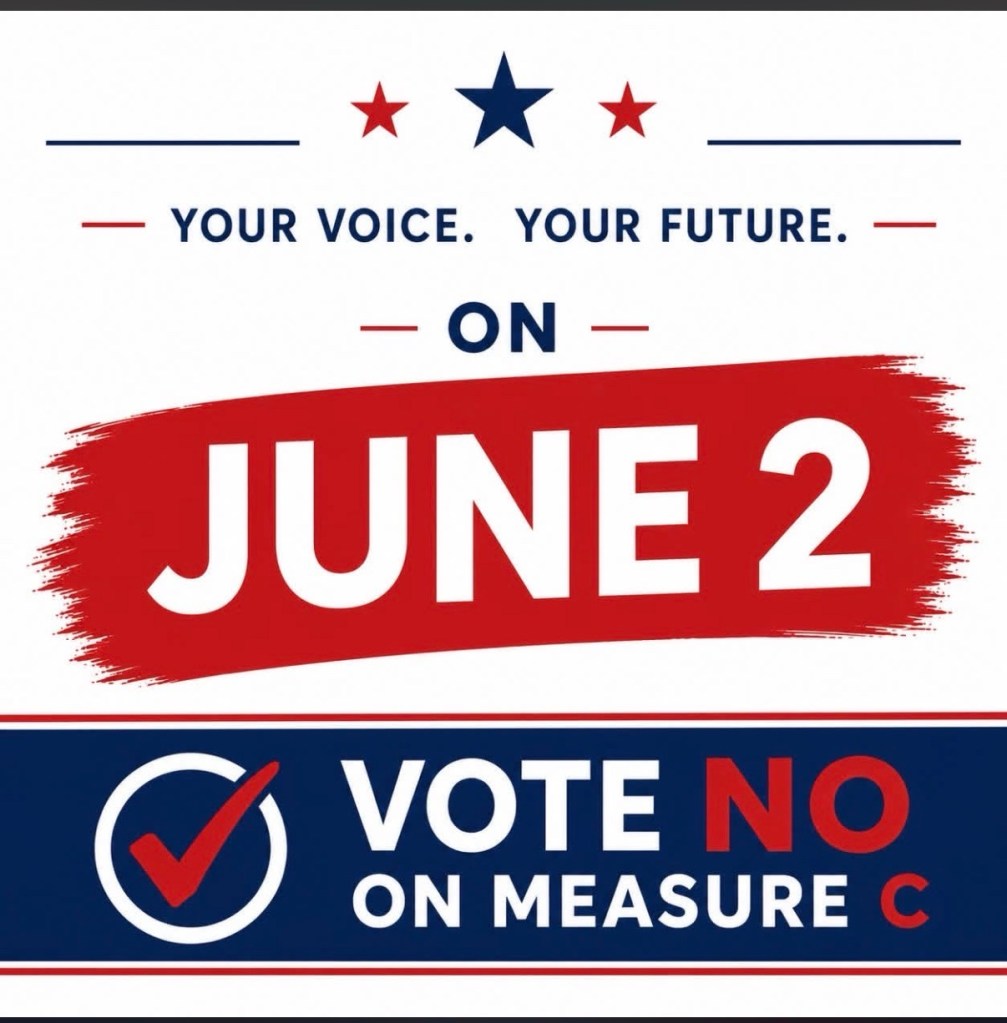
Proposed Library Parcel Tax (Measure C, 2026) – Proposed at approximately $0.17 per square foot annually, with automatic inflation increases and a duration exceeding 30 years. For many homeowners, this translates into hundreds — and in some cases thousands — of dollars per year over decades.
Residents have been told repeatedly that these taxes were necessary. We were promised accountability. We were promised oversight. We were promised that funds would be used for their intended purpose.
And yet, the public is still left with more questions than answers.
What happened to the pool tax money?
What happened to the utility tax revenue?
What happened to the road funding residents approved?
What happened to the real property transfer tax money that voters were told would support specific community priorities?
Time after time, taxpayers were assured there would be oversight and transparency. But much of that oversight either never materialized or has not been visible to the public in any meaningful way. Residents are still struggling to understand where the money went and what measurable outcomes were achieved.
That alone would be concerning enough.
But the more disturbing issue is the growing pattern of withholding critical information from the public.
City leaders knew well in advance that the estimated cost of the proposed library project had exploded. Residents were initially told the project would cost roughly $21 million. Internal discussions and documentation later revealed figures approaching $75 million. Yet that information was not broadly disclosed until after signatures had already been gathered and political momentum for the measure was already underway.
That is not transparency.
That is not informed consent.
And taxpayers have every right to be upset.
At the same time, the city reportedly spent approximately $150,000 on a service delivery assessment intended to evaluate operations and efficiency. The city already has the assessment, yet the public still has not seen it.
Why?
If taxpayers paid for the report, taxpayers should be allowed to review the findings.
Especially when residents are simultaneously being told the city needs even more money.
The reality is that El Cerrito could likely accomplish far more with fewer taxes if city leadership focused on stronger financial management, operational discipline, prioritization, and accountability.
Families across El Cerrito are expected to manage their household budgets responsibly. They do not get to repeatedly return to their employers demanding more income without explaining where the last paycheck went.
Government should be held to the same standard.
Before asking residents for higher taxes, city leadership should demonstrate:
• Clear accounting of prior tax revenues
• Public release of operational assessments and reports
• Honest communication about project costs
• Stronger financial controls and oversight
• Evidence that existing dollars are being managed effectively
Trust is earned through transparency and accountability — not slogans, fear campaigns, or last-minute disclosures.
Until the city demonstrates responsible stewardship of the money it already receives, many residents will continue asking a very reasonable question:
Why should taxpayers trust them with more?
 El Cerrito Committee for Responsible Government (ECCRG)
STICK IT to the City of El Cerrito AND the City of El Cerrito City Council thank you for your good works
On Mon, May 18, 2026 at 2:52 PM El Cerrito Committee for Responsib
LikeLike
Thank you
LikeLike