In the complex landscape of municipal governance, accountability is paramount. As El Cerrito faces persistent fiscal challenges, creating a system of accountability for the City Manager and their direct reports is crucial to ensuring transparent and effective decision-making. Data-driven leadership can play a vital role in establishing this accountability, driving improved performance, and regaining public trust.
Establishing Clear Metrics and Performance Indicators
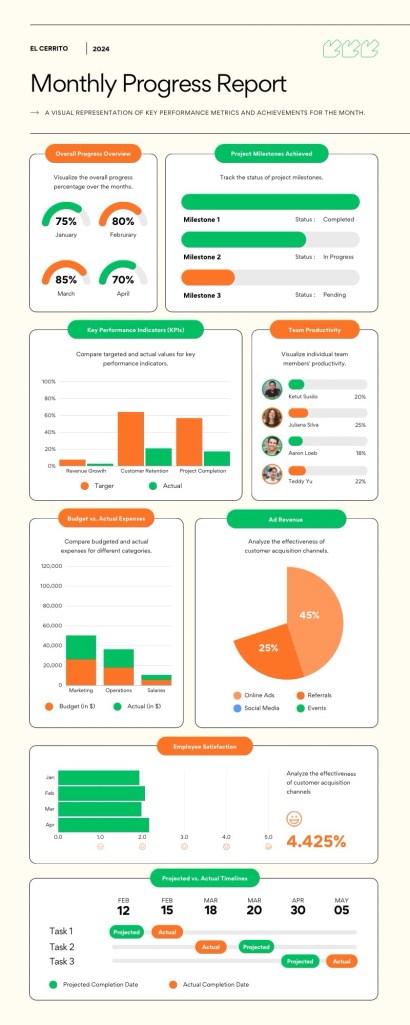
A critical component of accountability is setting clear, measurable goals for city leaders. By establishing key performance indicators (KPIs) for the City Manager and their direct reports, El Cerrito can create a framework for evaluating the effectiveness of leadership. These KPIs should encompass financial management, community engagement, service delivery, and other areas critical to the city’s success.
For example, financial KPIs could include budget adherence, reserve fund levels, and pension liability reduction. Service delivery metrics might assess the quality and timeliness of public services, while community engagement KPIs could measure resident satisfaction and involvement. By using data to track these metrics, the city can hold leaders accountable for their performance and make data-informed adjustments as needed.
Regular Reporting and Transparency
To ensure accountability, it is essential to have regular reporting and transparency in decision-making processes. The City Manager and their team should provide frequent updates on their progress toward achieving established goals, supported by data and analysis. This transparency allows stakeholders, including residents and the city council, to monitor performance and hold leaders accountable for their actions.
Public reporting of data can also foster greater trust between city leadership and the community. By making data accessible and understandable, El Cerrito can engage residents in the governance process, empowering them to ask informed questions and participate in decision-making. This openness is vital for building a culture of accountability and responsiveness.
Performance-Based Incentives and Consequences
Accountability also involves aligning incentives with performance. In El Cerrito, this could mean implementing performance-based incentives for city leaders who meet or exceed their goals. Conversely, there should be consequences for failing to achieve established objectives. By linking performance to rewards and consequences, the city can motivate leaders to prioritize data-driven decision-making and accountability.
These performance-based systems encourage leaders to adopt a proactive approach to problem-solving and continuous improvement. They also create a clear connection between leadership actions and outcomes, reinforcing the importance of accountability in governance.
Mayor Tessa Rudnick’s Lack of Commitment to Data-Driven Decisions
While data-driven decision-making offers significant benefits, El Cerrito has struggled to embrace this approach under the leadership of Mayor Tessa Rudnick. Despite her verbal commitment to using data and the city’s ongoing fiscal challenges, there has been a notable lack of commitment to using data as a foundation for decision-making.
Ignoring Data in Fiscal Management
Mayor Rudnick has faced criticism for not prioritizing data-driven strategies in managing El Cerrito’s finances. The city’s $85 million in unfunded pension liabilities and chronic budget deficits highlight the need for informed decision-making. However, there has been little evidence of a systematic approach to using data to address these financial challenges.
For example, rather than using data to identify and implement cost-saving measures, the city has continued to rely on reserve funds and other unsustainable practices. This approach has exacerbated financial woes, leading to a loss of confidence among residents and stakeholders.
Resistance to Transparency and Public Engagement
Another area of concern is the resistance to transparency and public engagement in decision-making processes. Under Mayor Rudnick’s leadership, there has been limited access to data and information about the city’s financial status and strategic plans. This lack of transparency undermines accountability and prevents residents from fully understanding and participating in governance.
Without a commitment to open data and public reporting, El Cerrito’s leadership misses the opportunity to engage the community in meaningful dialogue. By contrast, a data-driven approach would promote transparency and empower residents to hold leaders accountable for their decisions.
Fostering a Culture of Data-Driven Leadership
To move forward, El Cerrito must foster a culture of data-driven leadership that prioritizes accountability, transparency, and informed decision-making. This shift requires a commitment from city leaders, including Mayor Rudnick, to embrace data as a central component of governance.
By investing in data analytics capabilities, promoting open data initiatives, and engaging residents in the decision-making process, El Cerrito can create a more accountable and effective leadership framework. This commitment to data-driven leadership will enable the city to address its challenges more effectively and build a brighter future for its residents.
Conclusion
Data-driven decision-making is not just a management tool; it is a catalyst for accountability and transparency in governance. For El Cerrito, adopting this approach can transform the way city leaders operate, ensuring they are held accountable for their actions and decisions. By prioritizing data and fostering a culture of openness, El Cerrito can rebuild trust with its residents and navigate its challenges with confidence and clarity. Embracing data-driven leadership is essential for the city’s success and sustainability.
ElCerritoLeadership #FiscalResponsibility #CityManagement #TransparentGovernment #PublicSafetyCosts #BudgetCrisis #CommunityFirst #Sustainability #CitySpending #Accountability #PublicService #LocalGovernment #CommunityWellBeing #CityBudget #LeadershipChallenges
 El Cerrito Committee for Responsible Government (ECCRG)