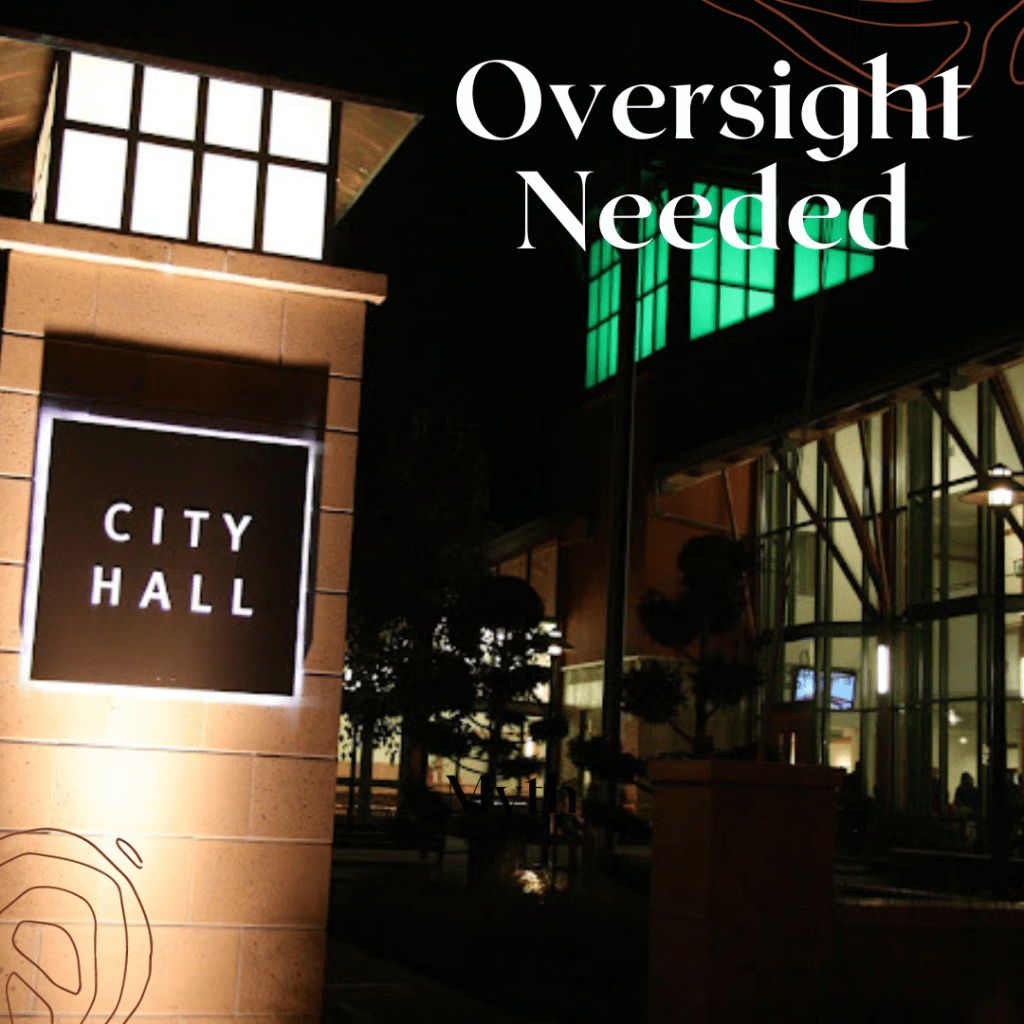
In the City of El Cerrito, leadership often touts their decision-making as strategic. However, upon closer inspection, it becomes evident that many of these decisions are nothing more than transactional and tactical. True strategy involves long-term vision and comprehensive planning, but the city’s recent actions demonstrate a lack of such foresight.
Short-Term Budget Fixes
One clear example is the city’s approach to budgeting. For the past several years, El Cerrito has balanced its budget primarily through the use of reserves. While this may offer a temporary fix, it does not address the underlying issues of fiscal mismanagement and overspending. Rather than developing a sustainable financial plan, the city resorts to depleting its reserves, which is a tactical move at best. True strategic financial management would involve creating a plan to increase revenues and decrease unnecessary expenditures, ensuring long-term fiscal health.
The Library Relocation Project
Another instance is the proposed relocation of the city library. The city’s decision to move the library to a rented location, despite owning the land at the current site, is puzzling. This move is presented as strategic, yet it overlooks the long-term implications. Renting the new site at market rates, while the sale of the current property is not fully disclosed, points to a lack of genuine strategic planning. A truly strategic approach would involve a thorough cost-benefit analysis and transparency about the financial outcomes of such a move.
Addressing Pension Liabilities
El Cerrito’s handling of its pension liabilities further illustrates this point. The city has over $85 million in unfunded pension liabilities, with only a fraction of that amount set aside. City management’s tendency to downplay this significant economic debt is concerning. Rather than devising a strategic plan to address and reduce these liabilities over time, the city continues to operate without a clear resolution in sight, treating the issue as a distant problem rather than a present and pressing challenge.
Leadership and Diversity
Moreover, the city’s efforts in leadership and diversity also reflect tactical rather than strategic thinking. The current leadership does not reflect the diverse community it serves, which hampers effective decision-making and community engagement. A strategic approach would involve actively recruiting and retaining a leadership team that represents the community’s diversity, thus fostering a more inclusive and innovative environment.
Revenue
While the city has experienced some positive developments in revenue generation, primarily through enhanced sales tax collections from local businesses, the composition of these businesses—including massage parlors, liquor stores, adult stores, and a cannabis outlet—suggests a need for a broader and more balanced economic base. Although potentially lucrative in the short term, the presence of three Pilates studios appears unsustainable for a city of 25,000 people. Additionally, the absence of economic development leaves numerous commercial spaces empty and lots vacant, reflecting the deeper issue of overreliance on tax increases, which burdens residents and stifles economic growth.
Revitalizing San Pablo Avenue, a key commercial corridor, could transform it into a bustling hub. Proposed improvements include better pedestrian pathways, green spaces, and art installations, aiming to increase foot traffic and attract new businesses. Diversifying business sectors is essential for creating a resilient economy. Incorporating professional services, healthcare, educational institutions, automotive services, technology, manufacturing, and beauty services can attract high-value services and generate substantial revenue. To support these efforts, El Cerrito must prioritize enhancing safety, reducing bureaucratic hurdles, addressing crime concerns, making the city more business-friendly, and ensuring a prosperous future for its residents and business community.
Conclusion
In summary, while the City of El Cerrito may label its actions as strategic, a closer look reveals that these decisions are primarily transactional and tactical. True strategic decision-making requires a long-term vision and an integrated problem-solving approach, something the city has yet to fully embrace. Until then, we remain concerned about the sustainability and efficacy of the city’s leadership and financial management.
Join the Conversation
We encourage community members to engage in discussions about how we can drive true strategic change in El Cerrito. Let’s push for transparency, long-term planning, and inclusive leadership that genuinely reflects the needs and values of our diverse community.
Here is how you can help:
- Share this post with other residents.
- Comment on the post.
- Attend the monthly Financial Advisory Board meetings in person.
- Post on social media.
- Voice your concerns with the Council.
Council meetings are remote and in-person, but public comment is now limited to in-person attendees. If you want to contact City Council Members or the City Managers, all their emails are below:
- Karen Pinkos, City Manager: kpinkos@ci.el-cerrito.ca.us
- Councilperson Gabe Quinto: gquinto@ci.el-cerrito.ca.us
- Councilperson Carolyn Wysinger: cywysinger@ci.el-cerrito.ca.us
- Councilperson Tessa Rudnick: trudnick@ci.el-cerrito.ca.us
- Mayor Lisa Motoyama: lmotoyama@ci.el-cerrito.ca.us
- Councilperson Paul Fadelli: pfadelli@ci.el-cerrito.ca.us
#ElCerritoEconomy #EconomicDiversity #UrbanDevelopment #CommunityGrowth #LocalBusinesses #EconomicStrategy #RevitalizeElCerrito #SanPabloAveRevival
 El Cerrito Committee for Responsible Government (ECCRG)