One Next Door writer made a good point: The core financial challenge facing the City of El Cerrito is not incremental Section 115 investment strategies or portfolio decisions—it is the fundamental and ongoing imbalance between rising expenses and flat revenue. This structural issue is the root cause of the city’s mounting fiscal stress and long-term vulnerability.
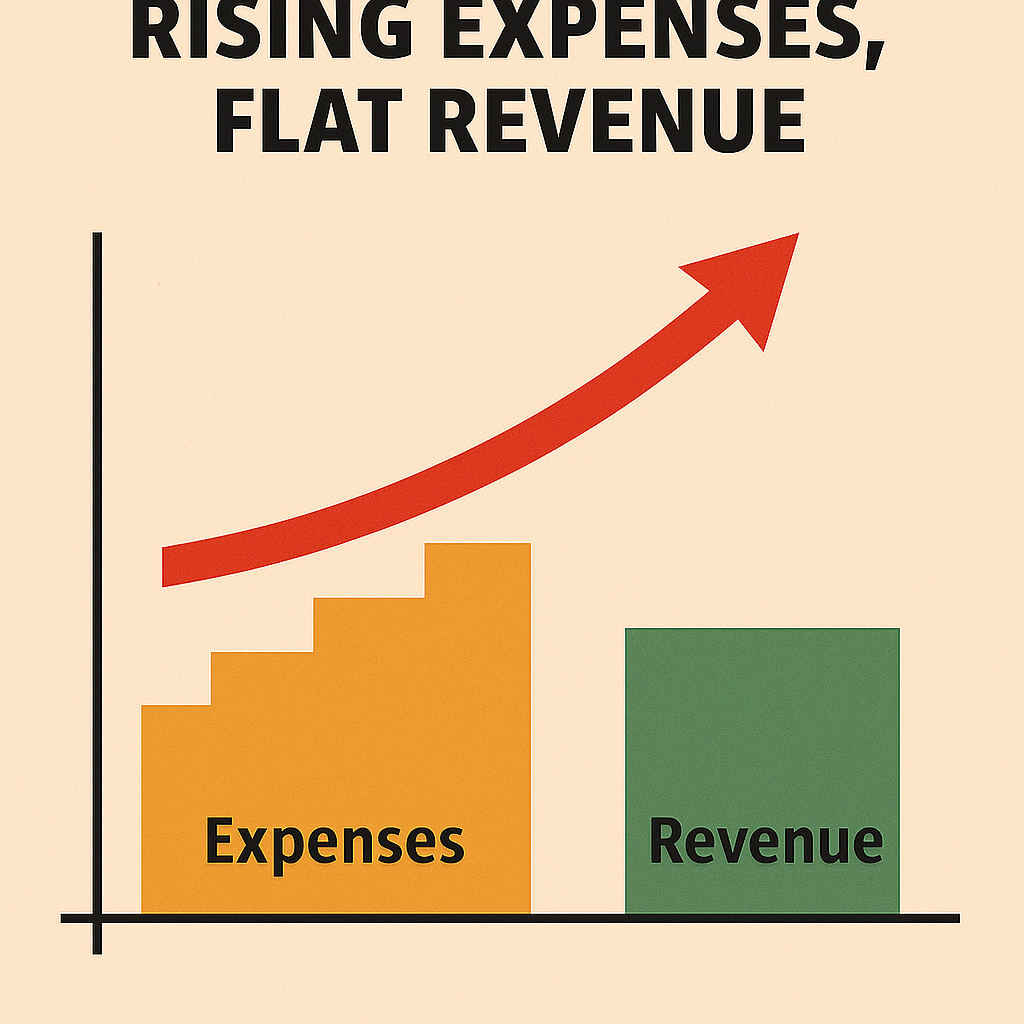
Public agencies, particularly those delivering essential services like police, fire, and infrastructure, inevitably face growing costs. Compensation, pensions, healthcare benefits, and operational expenses steadily increase over time, driven by inflation, market demands, and evolving service expectations. However, when revenues—whether from taxes, fees, or other sources—fail to grow at a similar rate, the resulting gap becomes increasingly unsustainable.
In El Cerrito’s case, the trajectory has been clear for years: rising labor costs and pension obligations far outpacing revenue growth. Yet the city has made no real adjustments to confront this reality. Instead, financial maneuvers like the Section 115 Trust have been emphasized—moves that, while notable, pale in comparison to the structural imbalance driving the city’s fiscal decline.
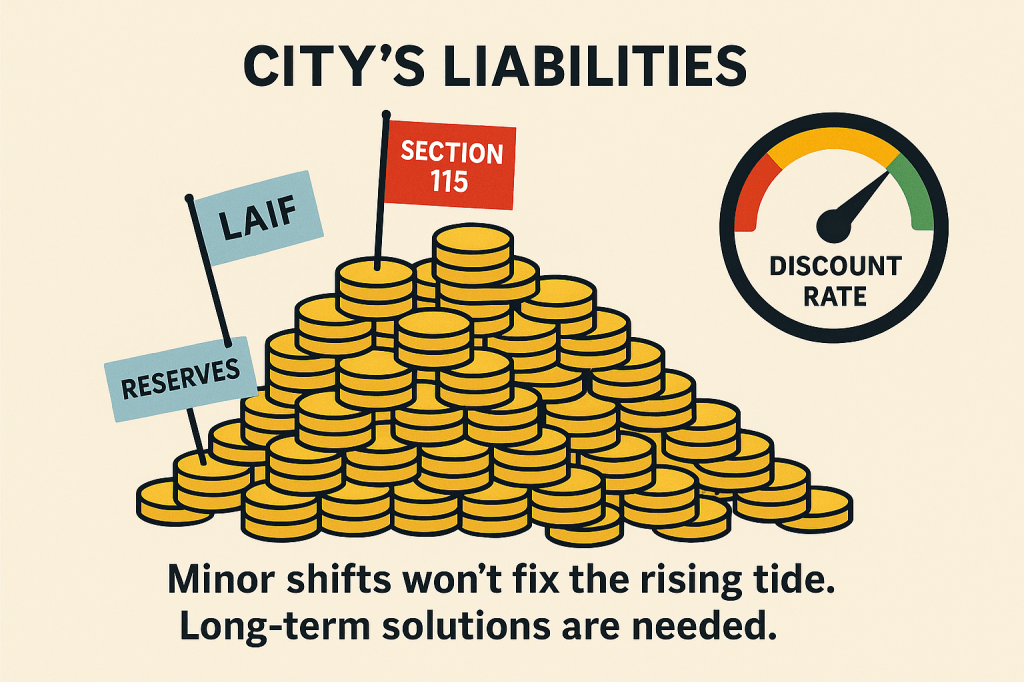
Even optimistic returns from the Section 115 Trust would yield only marginal gains, insufficient to meaningfully address the city’s $89 million Unfunded Accrued Liability (UAL), let alone close the widening gap created by rising expenses. Continued reliance on CalPERS and outside assumptions, without building robust internal contingency plans, leaves El Cerrito vulnerable to sudden financial shocks. If CalPERS misses its assumptions or the discount rate drops, liabilities increase dramatically with no buffer to absorb the impact.
Responsibility for confronting this imbalance lies first with the City Council, which holds the authority—and the obligation—to ensure long-term fiscal stability. The council has failed to make decisive adjustments despite years of warnings, and its refusal to entertain even basic reforms has allowed the problem to fester. The City Manager, along with highly compensated consultants, bears secondary responsibility for failing to present or push forward viable solutions. However, residents also play a role; engagement, pressure, and informed participation are critical to driving necessary change.
Without aligning expenses with revenue, no financial maneuver—no matter how cleverly packaged—will deliver sustainable solutions. The reality is stark: El Cerrito must either make hard adjustments or continue down an unsustainable path that threatens services, stability, and community trust.
Call to Action:
Residents are urged to attend City Council meetings, submit public comments, and demand comprehensive plans that address the structural deficit. The city’s financial health depends on public engagement and council accountability.
 El Cerrito Committee for Responsible Government (ECCRG)