El Cerrito Library Campaign Faces Major Setback

The long-debated plan to construct a new library in El Cerrito Plaza has encountered yet another delay, raising concerns about transparency, fiscal responsibility, and the city’s priorities.

Shifting Deadlines and Unseen Data

In 2023, residents were told that a $300-per-year forever tax was necessary to fund the new library and that the deadline for passing a bond measure was March 2024. However, after conducting taxpayer-funded surveys—data that was never disclosed to the public—the city postponed the measure to 2025. Now, city officials are suggesting the vote may not occur until 2026.

The repeated delays raise critical questions: Why has the city kept survey results hidden from the very taxpayers who paid for them? How can the public trust the process when deadlines keep shifting?

Inflation and Missed Opportunities

Construction costs have skyrocketed in recent years, and further delays will only inflate the price of the proposed library. The city claims to be pursuing grants, yet it failed to apply for $10 million in available state funding—an oversight that could cost taxpayers dearly. Had officials acted more decisively in 2016, the measure might have passed earlier, potentially locking in lower interest rates and saving millions.

Changing Community Needs

The library’s needs analysis is now more than a decade old, despite the shifting landscape of how people use libraries. Since 2019, foot traffic and the borrowing of physical books have declined by about one-third. In the age of digital resources, the city’s insistence on a large, expensive facility seems out of step with current usage patterns.

A More Practical Proposal

Rather than asking the community to pour millions into an extravagant library, the city could invest in a small amount in a senior center—an amenity that would provide direct, tangible benefits to a growing demographic in our community. A well-designed senior center could serve as a hub for activities, resources, and social connections, fostering a more inclusive and supportive environment for older adults.

Demanding Accountability

The city’s approach to this project reflects a broader pattern of opaque decision-making and financial mismanagement. Residents deserve honesty, transparency, and a clear plan that reflects the community’s actual needs rather than outdated assumptions.

It’s time for El Cerrito to step back, reevaluate, and prioritize fiscal responsibility. Let’s invest in services that meet today’s needs—like a senior center—rather than continuing to chase an expensive community funded, underused library facility.

Understanding El Cerrito’s Check Register Limitations – microblog

The City of El Cerrito recently released its monthly disbursement and check register. While such reports might seem like a step toward transparency, they offer little insight into the city’s financial health. A check register is merely a list of payments made within a specific time frame, without providing any context about the overall budget, planned expenditures, or financial strategy.

The Problem with the Check Register

The check register lists various disbursements, from utility bills to police equipment purchases. However, it lacks critical details that would help residents understand the city’s financial position:

  • Revenue is Listed by Category: The report lists revenue by category, not by department, making it difficult to track whether income projections are being met.
  • Expenses are Listed by Department: While expenses are shown by department, there is no clear comparison to the approved budget.
  • Capital Expenditures Are Hidden: The city’s practice of blending capital expenditures with operational costs obscures the financial reality. For instance, the recent $1.6 million church purchase is buried within routine expenses, masking its impact on reserve funds.

A More Transparent Approach

True financial transparency requires more than a simple disbursement list. The city should:

  1. Publish Revenue Details: Share projected revenue by category with regular updates comparing actual income to original forecasts.
  2. Report Budget vs. Actual Expenditures: Offer monthly reports that compare spending to the initial budget by department.
  3. Separate Capital Expenditures: List large, one-time purchases separately to clearly show their impact on reserves.

By moving the financial goalposts and presenting check registers as transparency, the city creates a false sense of stability. In reality, these practices hide the ongoing use of reserves and the financial strain from significant expenditures like the $1.6 million church purchase.

Contact Your Councilmembers

If you believe El Cerrito should adopt more transparent financial practices, contact your City Councilmembers:

Hashtags

#ElCerritoBudget #TransparencyMatters #FinancialAccountability #ElCerritoCouncil #CommunityAwareness

El Cerrito’s Tax Challenges: A Barrier to Business Growth

El Cerrito offers a unique blend of community and accessibility. However, despite its prime location, the city struggles to attract businesses and new residents. High taxes and unflattering comparisons to nearby cities—both within Contra Costa County and the Bay Area—pose significant obstacles.

The High Sales Tax Problem

El Cerrito imposes one of the highest sales tax rates in the region. While this generates revenue for city services, it creates a barrier for businesses and consumers. Shoppers often bypass El Cerrito for cities like Albany or Berkeley, where they can save money on larger purchases. Similarly, small businesses struggle to compete when their customers are incentivized to shop elsewhere. This puts El Cerrito businesses at a distinct disadvantage, making the city less attractive to entrepreneurs.

Real Property Transfer Tax: A Costly Burden

Adding to the challenge is El Cerrito’s real property transfer tax, higher than in many neighboring cities. This tax discourages not only homebuyers but also small business owners from relocating to El Cerrito. It’s particularly unappealing to entrepreneurs looking to invest in a physical location, as they face immediate and steep costs simply for purchasing property in the city.

Property Taxes: Another Hurdle

El Cerrito’s property taxes are also higher than those in many Contra Costa County cities, adding to the financial strain on residents and businesses. This is especially problematic when compared to similarly sized cities in the county, such as Hercules or Lafayette, which offer more competitive tax rates and incentives. For prospective business owners, these higher property taxes translate into elevated operating costs, making El Cerrito less appealing.

Comparisons That Hurt

El Cerrito’s challenges are compounded when compared to neighboring cities. Its proximity to Berkeley, Albany, and Oakland means it must compete with areas that offer more established business hubs, better incentives, and higher foot traffic. Even within Contra Costa County, cities like Lafayette, Hercules, or Orinda often outshine El Cerrito. These cities feature lower taxes, safer neighborhoods, and more business-friendly policies, making them more attractive for both entrepreneurs and families.

A Missed Opportunity

El Cerrito’s inability to compete in this landscape results in missed opportunities for growth and development. Entrepreneurs, instead of taking advantage of the city’s location and community, are settling in nearby areas that offer more favorable conditions. This trend affects not only economic development but also the vibrancy of the city itself.

What Can Be Done?

To address these challenges, El Cerrito must adopt a competitive mindset. Key steps could include:

Reducing Sales Tax: Aligning the city’s sales tax rate with nearby cities to attract more shoppers and businesses.

Reevaluating the Real Property Transfer Tax: Offering incentives or adjustments to make it easier for businesses to relocate.

Adjusting Property Taxes: Bringing property tax rates in line with similarly sized Contra Costa County cities.

Creating Business Incentives: Offering grants, tax breaks, or streamlined permitting to attract entrepreneurs.

Investing in Economic Development: Actively marketing the city’s strengths, such as its location and community, while addressing its weaknesses.

Looking Ahead

El Cerrito has tremendous potential, but to compete with neighboring cities and unlock its full economic capacity, it must address its tax policies and business environment. By doing so, the city can transform from a place businesses avoid to a thriving hub of innovation and community.

#ElCerrito #SmallBusinessChallenges #HighTaxes #SalesTax #PropertyTax #BusinessFriendly #EconomicGrowth #ContraCostaCounty #Hercules #Lafayette #BayAreaBusiness #CommunityDevelopment #RealPropertyTax #LocalBusiness #TaxPolicy #Berkeley #Albany #Oakland

El Cerrito City Manager’s Performance: A Call for Accountability

The El Cerrito City Council and city boosters often tout the hard work of the city manager. But she isn’t paid to spin endlessly on a hamster wheel. Her role demands results—and El Cerrito deserves better outcomes. Unfortunately, these troubling patterns have persisted under her leadership.

Reduced Services

  1. Senior Center: Permanently closed, leaving seniors without a vital community hub.
  2. Passport Services: Permanently closed, reducing convenient services for residents.
  3. Children’s Water Slide: Removed, diminishing recreational options for families.
  4. Recycling Center: Faced significant setbacks, impacting a key sustainability resource.
  5. Ohlone Greenway: Riddled with potholes, prone to flooding, and frequented by speeders—with no clear plans for improvement.
  6. Pavement Condition: Significant decline in the city’s Pavement Condition Index (PCI).
  7. Pandemic-Era Service Cuts: El Cerrito reduced services and operating hours during COVID and never fully restored them.

Transparency Issues

  1. Survey Data Concealed: The public and even the council were denied access to critical survey data.
  2. Limited Library Discussions: Plans for a new library were kept largely out of the public eye.
  3. Transit-Oriented Development (TOD): Minimal public engagement regarding significant development plans.
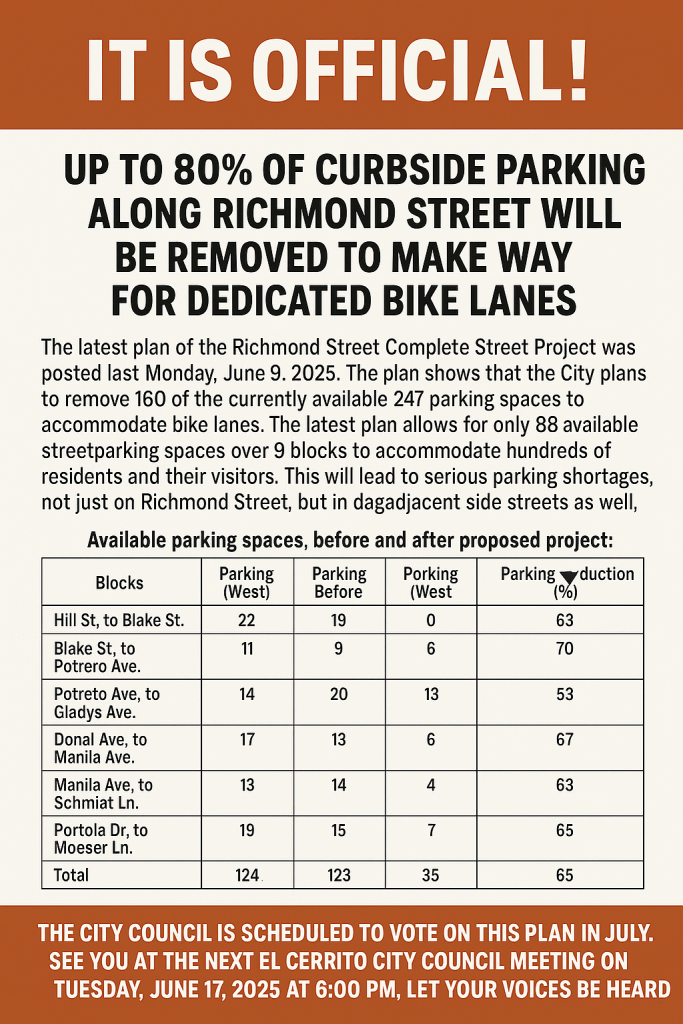
  4. Richmond Street Project: Discussions were notably scarce. Surveys involving city streets were not conducted in a way to clearly understand parking
  5. San Pablo Avenue Church: The purchase of $1.6 million is unexplained. Limited information on the city’s use of this property.
  6. Non-Responsive Senior Managers: Key city staff routinely ignore resident emails. Little ethnic diversity among city leadership.
  7. Library Project Concessions: Critical details were poorly disclosed, like reducing parking from 63 to zero spaces and shrinking the $21 million unexplained costs.

Financial Mismanagement

  1. Ongoing Fiscal Concerns: The city repeatedly received “going concern” warnings.
  2. State Audit: El Cerrito underwent a state financial audit due to fiscal mismanagement.
  3. Credit Downgrade: Credit ratings plummeted from A- to BBB- and only slightly improved.
  4. Rising Pension Liabilities: CalPERS UAL payments are nearing $8 million annually.
  5. Missed Opportunities: The city failed to issue pension obligation bonds during a period of record-low interest rates.
  6. Library Bond Inaction: The city neglected to issue library bonds when rates were advantageous.
  7. Library Grant Neglect: Officials didn’t even apply for $10 million in available state library grants.
  8. Infrastructure Crisis: The city needs $250 million in capital improvements but has no strategic plan for prioritizing projects. The state auditor warned this process will take “a very long time” at the current pace.
  9. High Crime Rate and Police Staffing Issues
    El Cerrito has experienced a concerning rise in crime rates over the past several years. Data shows that El Cerrito has approximately 1.2 officers per 1,000 residents.

A Legacy of Overspending

The previous city manager drained El Cerrito’s reserves. The current city manager continued the pattern by significantly overspending in 2019 and again in 2024. Rather than reassess its approach, the city appears to rely on outdated templates and ignores the need for operational reform. Neither the City Council, the Financial Advisory Board (FAB), nor public forums have engaged in substantive discussions about a sustainable path forward.

COVID Windfalls Squandered

City officials claim they worked hard during the pandemic to implement improvements—but haven’t detailed what those improvements were. Meanwhile, the city benefited from unprecedented windfalls:

  1. ARPA Funds: $6.1 million meant to aid pandemic-impacted individuals and businesses was redirected.
  2. Real Property Transfer Tax: Revenues from this new tax far exceeded projections but the city can’t live within their means.
  3. Property Tax Surge: Low interest rates spurred housing sales, driving up property tax receipts.
  4. Sales Tax Reform: Legal changes to Charter city led to increased sales tax revenue.

Despite these revenue boosts, El Cerrito resumed its overspending habits as soon as pandemic-related concerns subsided.

City Manager’s Plan for Reserve Spending

The city manager has proposed using 27% of the city’s unrestricted reserves to cover ongoing deficit spending. This move raises concerns about the city’s long-term financial stability and its ability to respond to emergencies.

El Cerrito Deserves Better

Hard work alone isn’t enough. El Cerrito needs a city manager who delivers tangible results, prioritizes fiscal responsibility, restores vital services, and communicates honestly with residents. Until then, our city will continue spinning on the hamster wheel of dysfunction, moving but never progressing. Residents deserve leadership that steers toward a sustainable, transparent, and prosperous future.

Hashtags and Contact Information

#ElCerrito #CityCouncil #TransparencyMatters #FiscalResponsibility #CommunityServices #PublicAccountability

Contact the El Cerrito City Council (2025)

Karen Pinkos’ Contract Extension: Political Risks Examined

El Cerrito’s City Manager, Karen Pinkos, was recently granted a five-year contract extension despite the city’s ongoing financial struggles, declining services, and growing public dissatisfaction. While this decision might appear to endorse her leadership, it was not driven by confidence. Instead, the move reflects the previous City Council’s political calculation, whose political futures are tightly tied to her success.

As elected officials, the council has chosen to double down on Pinkos, prioritizing political expediency over addressing the city’s real needs.

A Leadership Style That Falls Short

Karen Pinkos has consistently demonstrated a risk-averse approach to leadership, favoring insignificant actions over strategic and transformative initiatives. This lack of decisive next-level leadership has only deepened the crisis in a city facing scrutiny for its financial instability.

  • No Strategic Vision: Pinkos has failed to present a clear path to address El Cerrito’s financial woes. Residents are left bearing the brunt of higher taxes and reduced services, with little indication of meaningful change.
  • Political Ties Over Progress: The City Council, as elected officials, has tethered its fate to Pinkos, avoiding the political fallout of replacing her. This decision was less about solving problems and more about maintaining appearances.
  • Eroding Trust: Both the City Manager and the council risk alienating residents further by failing to demonstrate accountability and transparency in addressing the city’s challenges.

The Real Cost of Political Calculations

The decision to extend Pinkos’ contract is not without significant risks. While the council may believe they are avoiding short-term political damage, the long-term consequences of inaction will be far more severe.

  • Deepening Financial Instability: Without decisive action, El Cerrito financial challenges will again worsen, leading to further state oversight and diminished city autonomy.
  • Lost Opportunities for Recovery: Every year spent under ineffective leadership is a year lost for implementing strategic initiatives that could stabilize finances and improve services.
  • Resident Frustration: The public is already disillusioned with both the council and the City Manager. Continuing down this path risks further eroding trust in local government.

The Path Forward: Protect El Cerrito Residents

El Cerrito’s future depends on bold, strategic decisions by the next City Council. Replacing Karen Pinkos with a leader capable of addressing the city’s challenges without raising taxes is essential.

While buying out her contract may seem like a significant expense, the long-term costs of maintaining the status quo are far greater.

  • Focus on Results, Not Rhetoric: The council must prioritize the needs of the city over political calculations. This includes seeking a City Manager who can deliver measurable improvements in service delivery and financial stability.
  • Rebuild Community Trust: A leadership change would send a clear signal to residents that the council is serious about addressing El Cerrito’s challenges and restoring public faith in local government.
  • Strategic Initiatives: The next City Manager must prioritize initiatives that reduce costs while improving services, creating a sustainable path forward for the city.

The decision to extend Karen Pinkos’ contract is a gamble that puts El Cerrito’s future at risk. The council’s reliance on her success to secure their own political standing only highlights the need for decisive action. El Cerrito’s challenges require leadership that is focused on results, not political expediency.

For the next City Council, the choice is clear: act now to replace ineffective leadership or continue to watch the city’s struggles worsen. The cost of a buyout is an investment in a brighter future for El Cerrito—one where leadership is aligned with the needs of the community, not the political survival of elected officials.

#ElCerrito #LeadershipMatters #TransparentGovernment #CommunityFirst #LocalGovernment #StrategicInitiatives #ServiceDelivery #TimeForChange #CityCouncil #Accountability #ElCerritoDeservesBetter

El Cerrito’s $1.6 Million Church Purchase: A Call for Financial Transparency and Strategic Planning

In January 2024, the City of El Cerrito acquired the Assemblies of God Church property on San Pablo Avenue for $1.5 million, incurring an additional $60,000 in commissions and waiving all contingencies. This decision has ignited discussions among residents about the city’s financial management and transparency.

Financial Oversight and Transparency Concerns

In response to a public records request, the city disclosed the purchase details but did not provide specific information on ongoing costs such as insurance premiums and maintenance. The city’s explanation was that these expenses are integrated into the general operations budget and are not itemized by property. This approach raises concerns about the city’s ability to monitor and manage expenses effectively.

Implications of Lacking a Capital Purchasing and Maintenance Plan

The absence of a comprehensive capital purchasing and maintenance plan can have significant repercussions for municipalities:

1. Financial Strain: Without a structured plan, unexpected expenses due to unforeseen repairs or replacements can arise, leading to unplanned borrowing and increased financial strain.

2. Asset Deterioration: Neglecting regular maintenance can result in asset deterioration, leading to higher future costs.

3. Operational Disruptions: Unexpected equipment failures can disrupt operations, leading to unplanned downtime and reduced productivity.

4. Safety and Compliance Risks: Deferred maintenance can pose safety hazards to occupants and may lead to non-compliance with regulatory standards, resulting in fines and legal consequences.

5. Strategic Planning Deficiencies: A lack of capital facilities planning can lead to difficulties in balancing annual budgets, as the real costs of maintenance are often overlooked.

Community Engagement and Transparency

The city’s decision to proceed with the purchase without thorough public consultation has been a point of contention. Residents have expressed concerns about the lack of transparency and the potential financial burden imposed by such decisions. The need for improved communication and involvement of the community in significant financial decisions is evident.

Conclusion

The acquisition of the church property by the City of El Cerrito highlights the necessity for enhanced financial transparency and community engagement. Implementing detailed tracking of property-related expenses and fostering open dialogue with residents are crucial steps toward responsible fiscal management.

Note: This blog post is based on information available as of February 13, 2025.

Understanding El Cerrito’s Special Tax Bond Risks

A concerned citizen recently raised critical points about El Cerrito’s proposed $21 million bond issue for a new library, and these concerns deserve serious attention. Many residents might assume that a financial analysis of the city’s creditworthiness is required for this bond approval—but that’s not the case. Here’s why:

The Reality of Special Tax & Assessment Bonds

Unlike traditional municipal debt, this bond is a Special Tax & Assessment—not general obligation indebtedness. This distinction is crucial. It means:

  • The creditworthiness of the City of El Cerrito does not matter to bond buyers.
  • The use of funds (whether the library is actually built as promised) is irrelevant to the lenders.
  • The only thing that matters to bondholders is the ability to collect and remit taxpayer payments.

In other words, bondholders aren’t taking a risk on El Cerrito. They’re taking a risk on you, the taxpayer. Your secured property tax bill—and ultimately, your home—is the guarantee for repayment, not the library itself.

The Condo Conundrum: A Risky Partnership

One of the most concerning aspects of this proposal is how the City plans to structure ownership of the library building. The library will be part of a divided interest condominium arrangement with a private housing developer, meaning:

  • The library will share a building with 200 apartment units.
  • There will be a condo association, where both the City and the developer hold ownership stakes.
  • Issues affecting the residential portion—fire, plumbing, security, and access—could spill over and impact library operations.

Being in a condo association with a private developer is a risky proposition. Who will pay for unexpected maintenance costs? Who has ultimate control? If problems arise, taxpayers could find themselves footing the bill with no real say in the governance of the property.

Who’s on the Hook for the Bonds?

The concerned citizen rightly points out that no government entity—including the City of El Cerrito—has any obligation to make payments on the bonds. The ONLY source of repayment is the property tax assessment levied on homeowners. This means:

  • If projections fall short, homeowners bear the full risk—not the City, not the developer.
  • The bond effectively serves as “free money” for El Cerrito and the housing co-developer, at the expense of taxpayers.

For context, residents should review the Official Statement from the El Cerrito Public Finance Authority regarding a past Special Tax & Assessment bond issue—the Swim Center project—to understand how these financing mechanisms work.

The City’s Financial Crisis: A Manufactured Burden on Residents

This financial structure would be concerning under any circumstances, but what makes it worse is that El Cerrito’s City Manager has already decimated the city’s bond rating. Years of mismanagement have left the city with a tarnished financial reputation, making it impossible to fund projects through traditional municipal bonds.

Now, instead of addressing fiscal mismanagement, the City wants residents to foot the bill directly through a new special tax on their property bills. This is not an accident—it’s the direct result of poor financial decisions by city leadership.

Let’s be clear: The city’s bond rating is in shambles because of reckless spending, lack of financial oversight, and a refusal to make tough but necessary budgetary decisions. And now, city leaders want to shift the burden onto homeowners.

Take Action: Write to the City Council and Clerk!

If you are concerned about the financial risks of this project, make your voice heard. Write to the El Cerrito City Clerk and ask that your letter be included in the City Council packet so that council members are forced to acknowledge taxpayer concerns.

📧 City Clerk Email: cityclerk@ci.el-cerrito.ca.us

📧 2025 Council Member Emails:

📢 Demand Transparency & Fiscal Responsibility!

El Cerrito taxpayers should demand answers:

  • Why should residents bear the financial risk for a city that has already failed to manage its finances responsibly?
  • What safeguards exist to protect property owners?
  • Who will manage and control the condo association?
  • What happens if the developer faces financial issues?
  • Why isn’t the City being more transparent about these risks?

The library is an important community asset, but its financing and structure matter. Before it’s too late, El Cerrito residents must demand clarity, accountability, and a full understanding of the long-term implications.

📢 Speak up now before it’s too late! Your home, taxes, and community’s financial health are at stake.

🔗

#ElCerrito #TaxpayerAlert #NoNewTaxes #CityCouncil #FiscalResponsibility #ElCerritoLibrary #TransparencyMatters #SpecialTax #PropertyTax #CommunityConcerns #Accountability #StopTheTax #CityFinances

Why El Cerrito Needs Better Financial Analysis

We are deeply concerned about the lack of financial transparency and decision-making in El Cerrito’s government, particularly regarding the Plaza Library effort.

When we visit the city’s homepage, we see that a potential new library is being promoted. Yet, just yesterday, we received a document—an RFP for a contractor to run the library campaign. There were no budget items. No correspondence of any kind. These are significant financial decisions, yet there was no budget analysis or discussion by the Financial Advisory Board (FAB).

On Thursday, the BART board is set to discuss the Transit-Oriented Development (TOD). There was supposed to be a bond measure by this spring (previously by the 2024 primary), but we have seen no budget documents, no external published analysis, and no FAB discussion.

Previously, the city began applying for a $10 million library grant but failed to complete the process, supposedly due to a lack of funds—despite ongoing claims about the strength of the city’s finances. Was there any financial analysis behind that decision? Was it reviewed by FAB?

During the period of low interest rates, the city had the opportunity to issue low-interest-rate pension bonds but failed to do so. That decision may have cost taxpayers tens of millions of dollars. Yet, as far as we can tell, no financial analysis was presented to either the council or FAB.

In 2023, the proposed library tax changed from approximately $175 per year for 30 years to about $300 per year indefinitely for average-sized homes. However, we have seen no financial analysis from the city on this significant change.

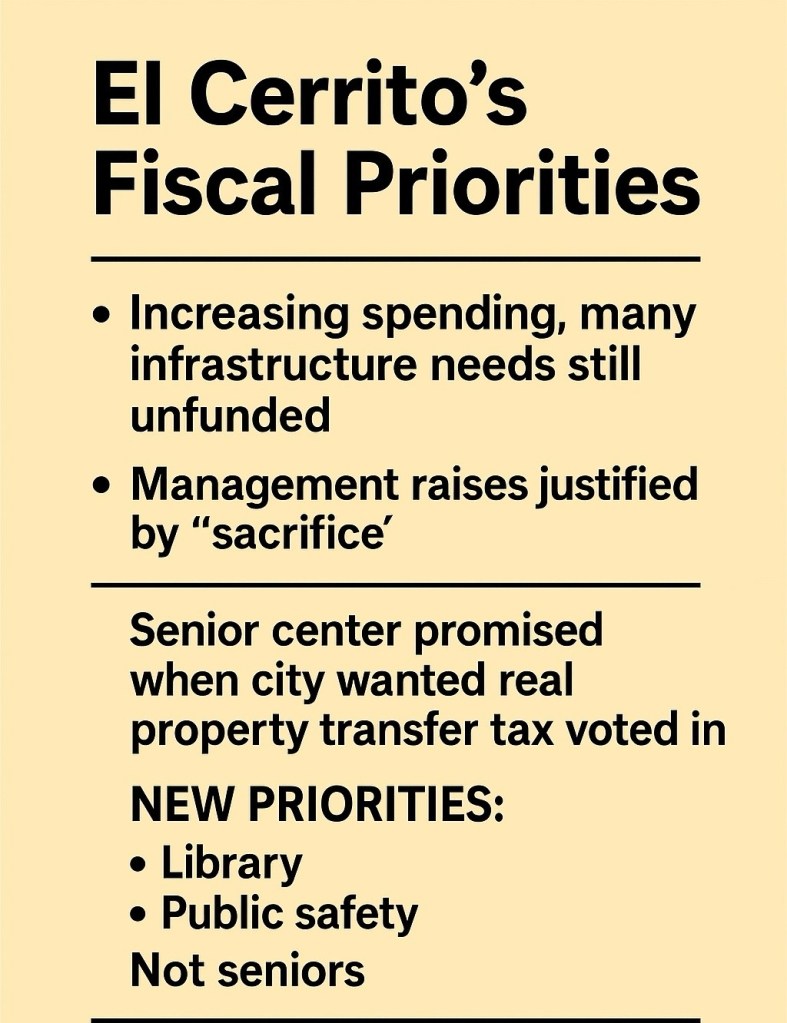
We have not seen any financial analysis related to the purchase of the church property. We have not seen any financial analysis that justifies the city’s claim that it cannot afford to maintain a senior center.

In many of these cases, our open records requests have yielded ZERO documents. How are decisions being made in El Cerrito’s government?

Our Conclusion

The finance department must conduct thorough financial analyses and make them available to the council, FAB, and the community. El Cerrito needs to commit to greater transparency in its financial decision-making process. Taxpayers deserve accountability.

Contact Information for El Cerrito City Council Members (as of 2025):

For more information, visit the El Cerrito City Council webpage.

Hashtags

  • #ElCerrito
  • #Transparency
  • #Accountability
  • #OpenGov
  • #PublicFinance
  • #CommunityEngagement
  • #GovernmentTransparency
  • #FiscalResponsibility
  • #CivicParticipation
  • #LocalGovernment

Note: The contact information provided is based on the latest available data as of 2025. Please refer to the official El Cerrito City Council website for the most current information.

The Cost of Public Safety in El Cerrito: Balancing Effectiveness and Fiscal Responsibility

In El Cerrito, our police and fire departments play a critical role in ensuring community safety. From responding to emergencies to taking preventative measures like fire inspections and crime deterrence, their work is essential. However, the cost and effectiveness of staffing these critical services require closer scrutiny, especially given the city’s ongoing financial challenges.

The Role of Police and Fire Chiefs in Prevention

Police and fire chiefs are not just paid to manage their departments but also to take preventative measures that safeguard the community. Their leadership ensures that preventative programs, such as fire inspections, community outreach, and crime deterrence initiatives, are implemented effectively. While prevention is invaluable, it’s essential to evaluate whether the associated costs are delivering maximum value to residents.

No Clear Correlation Between Spending and Effectiveness

It is a common misconception that spending more automatically equates to better service delivery in public safety. Studies and audits in similar municipalities often show that increased funding for police and fire departments does not necessarily result in improved outcomes such as reduced crime rates or faster emergency response times. Instead, the effectiveness of these services often depends on strategic resource allocation, operational efficiency, and community engagement.

Conversely, reducing budgets does not inherently mean service delivery will suffer. Thoughtful, data-driven adjustments can help optimize spending while maintaining—or even improving—service quality. For example, investing in modern technologies like predictive analytics or enhanced training programs can reduce the need for overtime and improve response times, all while controlling costs.

Its important to note that the safety budget was overfunded by nearly $1 million last year. Therefore, budgets should reflect much lower funding.

Early Retirement Perks and Long-Term Costs

El Cerrito’s public safety staff, including police and fire chiefs, are enrolled in CalPERS (California Public Employees’ Retirement System), which allows them to retire with full benefits as early as age 50—long before most other workers in both the public and private sectors. While this is a standard benefit for public safety employees across California, it represents a built-in perk that significantly increases long-term retirement costs for the city.

These generous retirement packages, combined with higher payroll expenses, create a significant expense burden that includes salaries, overtime pay, and associated pension obligations to CalPERS. The early retirement provision and extended payout periods amplify these financial commitments.

A Call for Thoughtful Budget Adjustments

When considering budgetary adjustments, it is critical to approach the process thoughtfully. Rather than making across-the-board cuts that could risk undermining public safety, the city should focus on identifying areas where resources are being underutilized or where efficiencies can be achieved. For instance, reallocating funds from less impactful initiatives to more critical areas could help maintain service quality while controlling expenses.

The Broader Impact of Rising Payroll

Escalating payroll costs in public safety not only impact immediate budgets but also have long-term implications. Higher salaries lead to increased pension contributions, exacerbating the city’s financial obligations to CalPERS. Over time, these costs can crowd out funding for other critical city services, such as infrastructure maintenance, recreation programs, or library services.

Moving Forward

El Cerrito must strike a balance between maintaining effective public safety services and managing its financial obligations responsibly. This requires:

• Transparent budgeting with clear communication about the costs of public safety and how those funds are being used

• Operational audits with regular reviews of police and fire department operations to identify cost-saving opportunities without compromising safety

• Evidence-based decision making using data to evaluate whether funding levels correlate with service quality and outcomes

• Community engagement involving residents in discussions about priorities for public safety spending

Take Action

Residents concerned about the rising costs and long-term fiscal implications of public safety spending are encouraged to contact the El Cerrito City Council and City Clerk. Ask that your feedback be included in the council packet for formal consideration.

• City Clerk Email: cityclerk@ci.el-cerrito.ca.us

• City Council Email: citycouncil@ci.el-cerrito.ca.us

Suggested Message

Dear El Cerrito City Council and City Clerk

Please include this letter in the official council packet for discussion. I urge you to critically evaluate the cost-effectiveness of public safety spending, considering both immediate and long-term impacts on the city’s financial health. Thoughtful adjustments to budgets, without compromising service quality, are essential to ensure fiscal sustainability for El Cerrito. Thank you for your attention to this matter.

Sincerely

[Your Name]

#ElCerrito #PublicSafety #FiscalResponsibility #BudgetTransparency #CommunityEngagement

Frustration with the Council and City Clerk’s Responses

In an age where information is expected to be readily available at our fingertips, one might assume that getting answers from local government would be a straightforward process. Unfortunately, for many residents, that assumption couldn’t be further from reality.

A recurring frustration among citizens is the council and city clerk’s tendency to respond to inquiries with a pat answer: “Check the city website.” This response, while seemingly helpful on the surface, often leaves questioners with more confusion than clarity. The reality is that the information they’re seeking is rarely—if ever—available on the website, leaving residents feeling unheard and undervalued.

The Website Conundrum

City websites, designed to be hubs of information, are often anything but. They frequently suffer from outdated content, missing key details, and a labyrinthine structure that makes it difficult for even the most tech-savvy residents to navigate. Important documents, meeting minutes, and policy explanations can be buried deep within layers of links, if they exist at all. The end result? Residents seeking critical information are left in a frustrating cycle of unanswered questions and bureaucratic runaround.

Deflection: A Strategy or a Symptom?

Directing citizens to an inadequate website is more than just an inconvenience—it’s a form of deflection. Rather than addressing concerns head-on, officials use this tactic to shift the burden back onto the public, absolving themselves of the responsibility to provide direct, meaningful answers. This lack of transparency erodes trust and fosters an environment where residents feel their voices are being ignored.

A Call for Change

Residents deserve more than deflection; they deserve transparency and accessibility. The council and city clerk must recognize that their current approach is not serving the public interest. Instead of offering website referrals that lead to dead ends, officials should prioritize:

  1. Improved Website Content – Ensuring the city’s website is a comprehensive and user-friendly resource.
  2. Direct Communication – Taking the time to address concerns with clear and thorough responses.
  3. Proactive Engagement – Hosting forums and Q&A sessions to foster better dialogue between officials and residents.

It’s time for city leadership to acknowledge these shortcomings and take meaningful steps to rebuild trust. Until then, the citizens will continue to rely on those within the city structure who are willing to go the extra mile to provide real answers.

Have you experienced a similar challenge with your local government? Share your thoughts and experiences—we’d love to hear how we can push for better accountability and transparency together.

The Shell Game: How El Cerrito’s City Manager is Playing with Public Funds

For years, the state auditor has monitored El Cerrito’s precarious financial situation, flagging it as a high-risk city due to chronic fiscal mismanagement. The city manager, under mounting pressure, appeared to turn over a new leaf, keeping reserves artificially high and curbing expenses just enough to pacify both auditors. The strategy worked. El Cerrito received a passable audit, and the city was downgraded from the highest-risk category.

But it didn’t take long for the facade to crumble.

Now, with the state and commissioned audits behind her and scrutiny seemingly eased, the city manager is back to her old tricks. She’s proposing to dip into the city’s hard-earned reserves—$3.3 million of the $12.4 million in unrestricted reserves—without providing any clear, public explanation. No detailed plans. No transparent budget outlines.. Just a vague announcement that calls the funds discretionary and raises more red flags than it answers.

What’s Really Going On?

The timing of this move isn’t just suspicious; it’s telling. During the period of heightened state oversight, fiscal restraint was the name of the game. Now that the immediate threat has passed, it seems the city manager feels emboldened to resume practices that led El Cerrito into financial trouble in the first place.

Let’s be clear: $3.3 million is not pocket change. It represents nearly 27% of the city’s unrestricted reserves—funds that are supposed to be a financial safety net, not a slush fund for undisclosed expenditures.

And it doesn’t stop there. The city manager has also resumed her expensive junkets, traveling on the public’s time while claiming fiscal responsibility at home. This signals a return to the same reckless spending habits that left El Cerrito teetering on the brink of bankruptcy not long ago.

Adding insult to injury, the previous City Council granted her a five-year contract extension, effectively cleaning the slate. With job security seemingly locked in, she appears to have no qualms about steering El Cerrito right back toward financial disaster, confident that her position is safe regardless of the city’s fiscal health.

The lack of transparency leads to an uncomfortable but likely conclusion: this isn’t about new projects or unforeseen emergencies. This is likely deferred deficit spending—expenses the city manager strategically held back until after the audit to avoid triggering more negative attention from the state auditor.

Why This Matters to Every El Cerrito Resident

Unrestricted reserves aren’t just numbers on a spreadsheet. They’re critical for maintaining essential services, especially in emergencies—think natural disasters, economic downturns, or unexpected revenue shortfalls. Depleting reserves without a clear plan jeopardizes the city’s financial stability and could force future cuts to public safety, infrastructure, and community programs.

Moreover, the city’s reputation has already taken a hit. El Cerrito’s history of poor financial management led to higher borrowing costs and eroded public trust. Reckless spending will only deepen those wounds.

Demand Accountability

The residents of El Cerrito deserve better. They deserve leaders who manage taxpayer money responsibly, who prioritize long-term fiscal health over short-term political convenience. They deserve transparency—not vague requests for multi-million-dollar withdrawals with no public explanation.

It’s time for the City Council to step up. They must demand:

  1. A complete, detailed breakdown of the proposed $3.3 million expenditure, including specific allocations, justifications, and intended outcomes before approving the use of unrestricted reserves.
  2. An independent review of the city’s current financial obligations to uncover any hidden deficits that may have been deferred until after the audit.
  3. Clear, public-facing communication about how these decisions will impact city services, both now and in the future.

El Cerrito residents should attend council meetings, ask tough questions, and refuse to accept vague answers. The city manager works for the public, not the other way around.

Because when financial sleight of hand becomes the norm, the people who pay the price are always the taxpayers.

Contact Your City Council Members

To voice your concerns and demand accountability, reach out to your City Council members:

Your engagement is crucial in holding our city leadership accountable and ensuring a fiscally responsible future for El Cerrito.

Thank these Council members for granting Pinkos a full pardon for sending us near bankruptcy. Now we are headed back

El Cerrito’s Budget Crisis: A Call for Financial Leadership

Many of us remember last year’s budget cycle when Claire Coleman and Will Provost led the outreach and budget presentations. Although their presentations lacked substantial community input, they were both articulate easy to understand and extemporaneous. This year, the City Manager decided to shift the spotlight, offering the Finance Director, Crystal Reams, additional stage time. Maybe it wasn’t such a good idea, particularly since she was on one of her infamous junkets and notably not present.

Tuesday night, Crystal appeared without Claire or Will. She was audibly stumped 1:22 into the video when she couldn’t locate her notes and could not present without them. While we acknowledge that she recently earned her CPA (Certified Public Accountant), it’s essential to recognize that this role is not just about audits or accounting. The position of Finance Director and Treasurer demands comprehensive command over the city’s financial landscape and the ability to speak confidently and fluently about fiscal matters.

ECCRG cautioned from the outset that Crystal might be out of her depth. Her previous role as an Accounting Manager in another municipality, which she held for less than five years, doesn’t seem to have fully prepared her for the complexities of El Cerrito’s financial challenges. Prior to that, she served as a Senior Accountant. This is particularly concerning given that the City once had a highly capable individual in this role. Unfortunately, the City Manager failed to retain them.

Fortunately, El Cerrito still benefits from Claire’s expertise. However, our concerns about the Finance Director’s readiness remain pressing because both leads and limits the team. This apprehension was further validated when Crystal referred to a proposed $2.3 million reduction in unrestricted reserves to be used “discretionary spending.” The Unrestricted General Fund is designated for specific purposes—none of which include covering planned cost overruns.

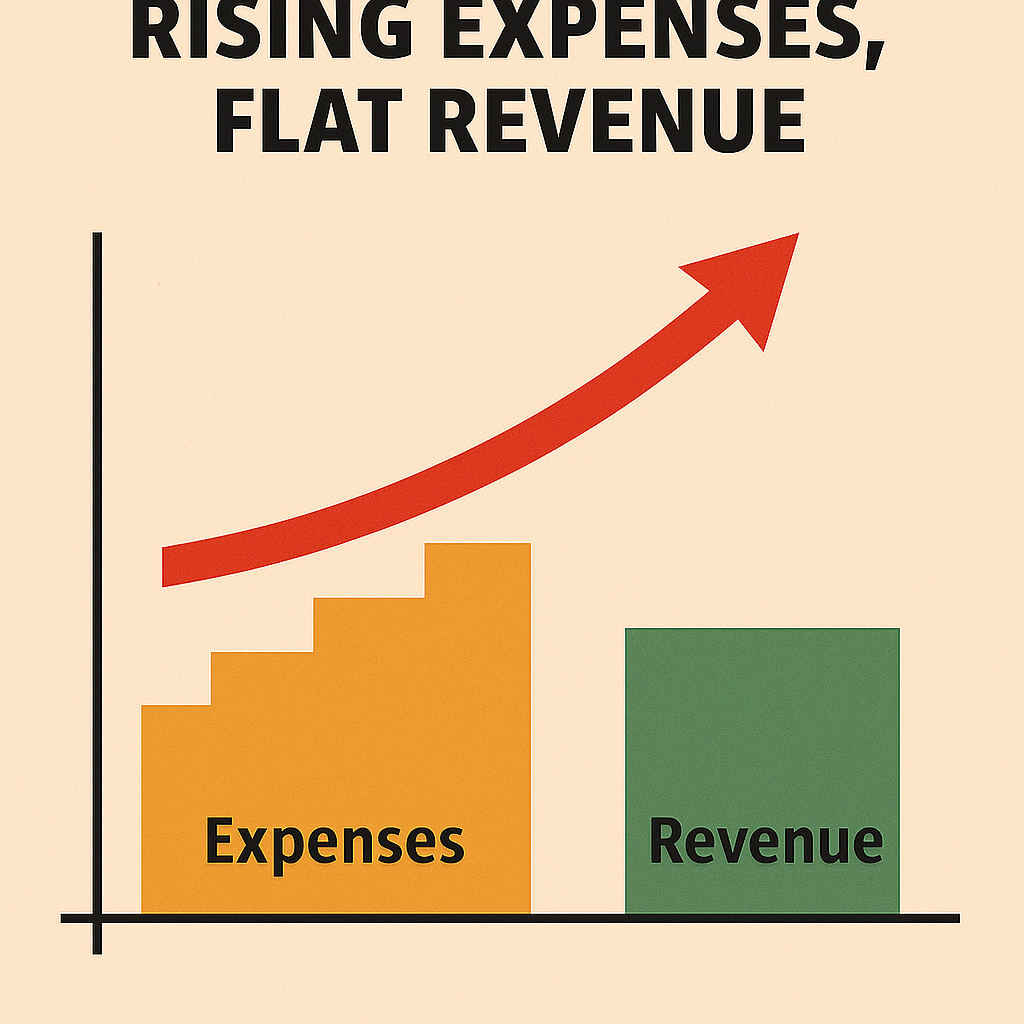
Adding to our concerns, it’s perplexing to be reassured that everything is going well when the budget tells a different story. The original budget had a projected surplus of $33,952, but now there’s a projected deficit of $960,955—nearly $1 million worse off. This deficit represents an additional drain on reserves, compounded by the $2.3 million in proposed reductions, further depleting the city’s financial safety net. This dual strain on reserves raises serious questions about the accuracy of financial planning and oversight. Of equal concerns is her inability to use language the audience can understand, instead choosing acronyms like GAAP and other accounting terms.

Council Member Quinto remarked that budgets will be tight. From the public’s perspective, budgets seem tight only when it comes to services for the community, while there’s plenty of funding allocated for increased employee compensation and hiring consultants. This disparity suggests a misalignment of priorities that warrants scrutiny.

While increased insurance costs have been mentioned- which are not under their control, there’s been no clear acknowledgment of rising CalPERS costs – which the city can control. The city’s failure to act when interest rates were low has likely resulted in costly consequences for taxpayers. It could be argued that Measure G was essentially needed to cover the additional interest payments to CalPERS, a point that deserves transparent discussion.

Additionally, there has been no clear breakdown of the increase in departmental spending. Transparency in these areas is crucial for building public trust and ensuring that taxpayers understand where their money is going.

We commend the councilmember who showed grace by suggesting on meeting with the Finance Director privately to address these issues rather than publicly questioning or criticizing her. However, the underlying problem persists: El Cerrito is in a fragile financial position. We need leadership that can articulate our fiscal realities clearly and confidently, without relying on a script.

The community deserves transparency, accuracy, and a Finance Director who is not only technically proficient but also capable of effectively communicating the city’s financial health. As stakeholders in El Cerrito’s future, we must continue to advocate for the financial leadership our city urgently needs.

The Path to Fiscal Sustainability: Moving Beyond Short-Term Fixes

Empty wallet, no money pop art retro vector illustration. Finance and poverty

As the El Cerrito City Council considers steps to address our budget challenges, we must confront a hard truth: continuing to rely on the General Fund’s unrestricted balance as a form of overdraft protection is not sustainable. History has shown us the risks of this approach, and without meaningful action, we risk depleting the very reserves meant to protect us during times of crisis.

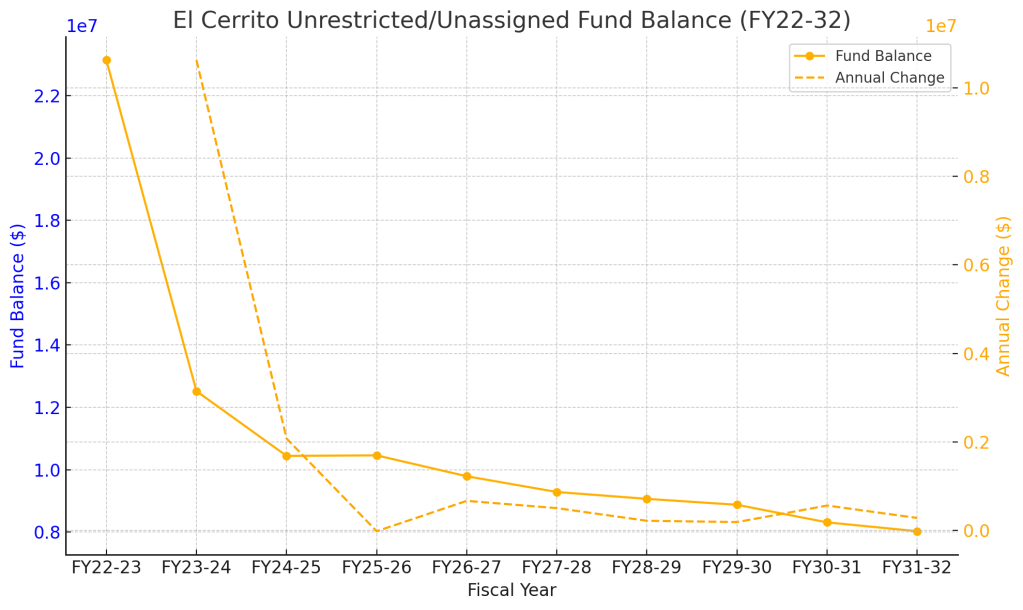
In addition to the $960,955 structural deficit, the City Manager proposes to reduce reserves by an additional $2,292,860 to use as discretionary spending. If both these transactions are approved by the City Council, $3.3 million of the $12.4 million in reserves will vanish. The City Manager has touted a strong financial position, but we are back to the minimum recommended reserves of $9.1 million. Given the structural deficits the City Manager will need to dip further into reserves by FY26 which begins in July 2025.

Why the General Fund Cannot Be a Long-Term Safety Net

The General Fund’s unrestricted balance is intended to serve as a financial cushion—a safeguard against unexpected emergencies, economic downturns, or unforeseen expenses. However, the City Manager plans to use at least $1 million of the $12.4 million in unrestricted reserves. Additionally, the proposal includes using another $2.3 million from reserves this year.

Using reserves repeatedly to cover budget shortfalls may seem like an easy fix in the short term, but it erodes our financial stability over time. When we treat the General Fund like overdraft protection:

  • We delay making tough, necessary decisions about structural imbalances in our budget.
  • We weaken our ability to respond to true emergencies, leaving us vulnerable when the next economic downturn or natural disaster strikes.
  • We create a false sense of security, masking the underlying fiscal issues that require strategic, long-term solutions.

A New Approach: Fiscal Discipline and Structural Reform

To break this unsustainable cycle, the El Cerrito City Council should direct the City Manager to implement a net reduction of $1 million in expenditures for the current and next fiscal year. This is more than just a budget cut—it’s a commitment to fiscal discipline and a shift toward structural financial reform.

We recognize that some expenses from 2024 must still be honored, but even with these obligations, our directive remains clear: balance the budget without further draining the General Fund.

Key Strategies for Sustainability

  1. Operational Efficiencies: Identifying redundancies, streamlining processes, and improving productivity without compromising essential services.
  2. Priority-Based Budgeting: Focusing on programs and services that deliver the greatest value to our community while reevaluating or scaling back lower-priority initiatives.
  3. Long-Term Financial Planning: Moving beyond annual budget cycles to develop multi-year financial strategies that anticipate challenges and plan accordingly.
  4. Building Reserves, Not Draining Them: Shifting from a mindset of “using what’s available” to one that prioritizes replenishing and protecting reserves for future generations.

A Call for Community Engagement

We know that budget decisions affect every resident, employee, and business in El Cerrito. That’s why transparency and community involvement are at the heart of this process. We encourage residents to share their feedback and ideas with the City Council to help shape a fiscally responsible future.

Contact Your City Council Members

If you have thoughts, questions, or suggestions about the budget and our city’s financial priorities, please reach out to your City Council members directly.

• Mayor Carolyn Wysinger

Email: cwysinger@ci.el-cerrito.ca.us

• Mayor Pro Tem Gabe Quinto

Email: gquinto@ci.el-cerrito.ca.us

• Councilmember Lisa Motoyama

Email: lmotoyama@ci.el-cerrito.ca.us

• Councilmember Rebecca Saltzman

Email: rsaltzman@ci.el-cerrito.ca.us

• Councilmember William Ktsanes

Email: wktsanes@ci.el-cerrito.ca.us

The Bottom Line

We cannot afford to repeat the mistakes of the past. Relying on the General Fund’s unrestricted balance as a crutch will only lead us to the same fiscal cliffs we’ve faced before. By making strategic, thoughtful reductions now, we can build a budget that is not just balanced—but sustainable.

Together, we can create a city that thrives not just today, but for years to come.

The Story Behind El Cerrito’s Budget Projections

El Cerrito’s financial projections paint a concerning picture for fiscal responsibility. The city’s unrestricted reserves are set to decrease from a beginning balance of $12.4 million to an ending balance of $11.4 million—a $1 million drop. A deeper dive reveals a troubling pattern of financial maneuvering that obscures the real state of fiscal health.

The Illusion of Balance: Moving the Goalposts

Throughout the fiscal year, El Cerrito routinely amends its budget to make expenses appear aligned with projections. This tactic, while legal, creates a misleading narrative of financial stability. By continuously adjusting the expense lines, the city masks overspending, giving the illusion that the budget is on track when, in reality, expenditures are outpacing revenues.

The projections indicate that despite these adjustments, the city is on course to spend $1 million more than it brings in. This deficit is quietly tucked away under the guise of amended budgets, obscuring the fiscal imbalance from the public eye.

What Is the City Hiding?

The sum total of what El Cerrito appears to be concealing boils down to two critical issues:

  1. Overspending: The city is spending beyond its means, with expenses projected to exceed revenues by $1 million. This overspending is masked through strategic budget amendments that shift expense lines, creating an artificial balance.
  2. Potential Major Purchases: The significant drawdown in unrestricted reserves raises questions about undisclosed large expenditures. While no explicit major purchases are outlined, the pattern suggests that funds may be allocated for upcoming substantial investments not fully disclosed in public documents.

The Bottom Line

El Cerrito’s financial practices continue to raise red flags about transparency and fiscal management. The routine adjustment of budget lines to mask overspending, coupled with the continued use of reserves, suggests a city struggling to manage its finances without fully informing its residents. As stakeholders in the city’s future, it’s crucial to demand clarity and accountability in how public funds are managed. Only through transparency can trust be maintained and financial stability ensured.

Call to Action: Demand Transparency

We urge the El Cerrito City Council to be more transparent about spending decisions and financial management. Residents deserve clear, straightforward reporting that reflects the true state of the city’s finances. It’s time to stop the financial sleight of hand and start fostering genuine fiscal accountability.

Reach out to the City Council and ask for more transparency and fiscal responsibility.

Your voice matters. Contact the City Council today to demand the transparency El Cerrito deserves.

Defining Financial Health for El Cerrito: Clear Benchmarks Require Clear Expectations

El Cerrito’s financial health cannot be left to broad aspirations and vague commitments. The City Council must be specific about its fiscal goals, setting clear, measurable expectations that guide budget decisions and financial planning. Without this clarity, financial stability becomes more of a hope than a strategy.

The City Council Must Set the Agenda

The City Manager operates within the framework established by the City Council. If the Council wants to achieve specific financial outcomes, they must articulate those goals explicitly. It’s not enough to react to budget proposals when they’re presented—the Council should be proactive, giving clear direction before the budget is even drafted.

• If the Council wants to make more than the minimum payment on the unfunded liability, they should say so.

El Cerrito’s unfunded pension liability has grown to nearly $100 million. Currently, the city makes only the minimum required payments, which allows the debt to accumulate interest and grow larger over time. If the Council believes it’s in the city’s best interest to make additional payments to reduce this liability, they need to establish that as a formal goal.

• If the Council wants a plan to address the $250 million deferred maintenance shortfall, they should ask for one.

Deferred maintenance doesn’t disappear; it grows more expensive with time. If the Council wants a comprehensive plan to tackle this backlog, it should request a detailed strategy with specific timelines, priorities, and funding sources.

• If the Council wants to maintain a surplus of a specific dollar amount, they should define that target.

A surplus isn’t just a sign of good fiscal management; it’s a buffer against economic downturns and unexpected expenses. The Council should determine what level of surplus is appropriate and ensure the budget reflects that goal.

• If the Council wants to avoid using reserves to cover operating expenses, they should make that clear.

Reserves are for emergencies, not routine budget balancing. If the Council’s intention is to prevent reliance on reserves for day-to-day operations, they should adopt a formal policy to that effect and hold the budget process accountable to it.

Key Indicators of Financial Health

Adequate General Fund Unrestricted Reserves:

Maintaining sufficient unrestricted reserves is vital for managing unforeseen expenses and economic downturns. The Government Finance Officers Association (GFOA) recommends an unrestricted fund balance of no less than two months of operating revenues or expenditures—about 17%. If the Council wants to exceed this baseline, they should set a clear target.

Balanced Budgeting:

Balanced budgeting isn’t just about matching revenues to expenses. It means accounting for capital expenditures, managing debt obligations, and planning for future needs. If the Council expects the budget to cover these areas without deficits, they should define what “balanced” looks like.

Debt Management:

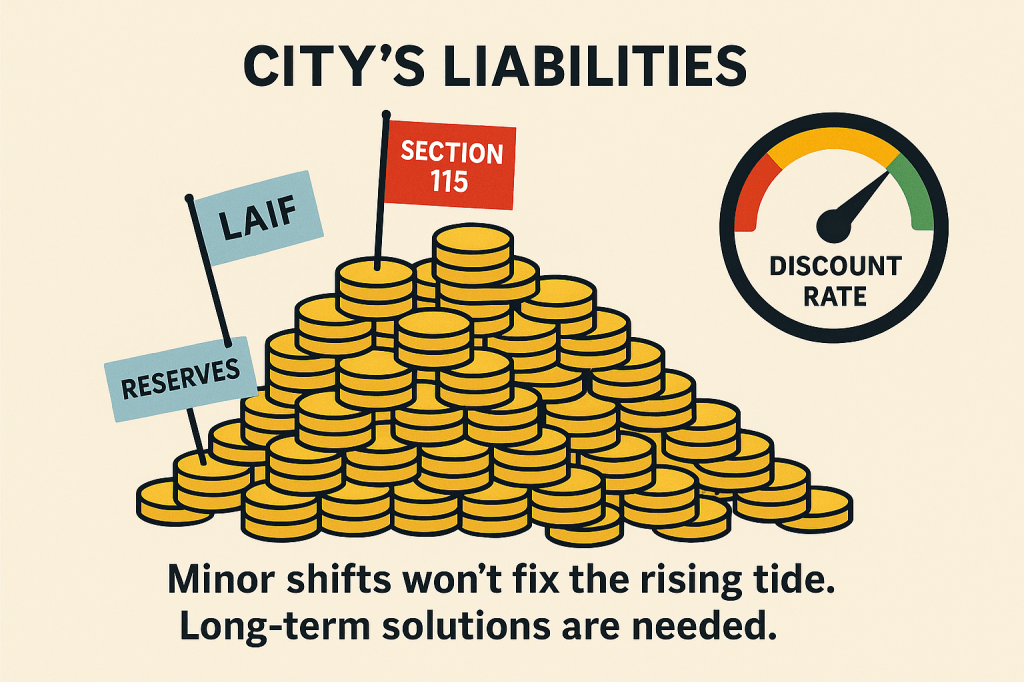
Prudent debt management includes actively addressing the city’s unfunded liabilities. The Section 115 Pension Funding Trust currently holds $1 million—woefully inadequate for a nearly $100 million liability. If the Council expects more aggressive funding, they must state that expectation clearly.

Transparent Financial Reporting:

Financial reporting should be frequent and detailed. The Council should expect clear, concise reports at the end of each quarter and promptly after the fiscal year concludes. This level of transparency allows for timely adjustments and informed decision-making.

Expenditure Control:

Controlling the growth of salary and benefit costs is critical. The Council should set specific targets for cost containment and require regular reviews to ensure those targets are met. Not just for expense control but also for capital purchases like buildings and trucks

Conclusion: Leadership Requires Clarity

The City Council’s role isn’t just to approve the budget—it’s to lead. Leadership requires clarity. If the Council wants specific financial outcomes, they must articulate those goals explicitly. General aspirations won’t protect El Cerrito from fiscal instability. Clear expectations will.

Contact Information for El Cerrito City Council Members:

• Carolyn Wysinger, Mayor

Email: cwysinger@ci.el-cerrito.ca.us

Term Ends: 2026

• Gabe Quinto, Mayor Pro Tem

Email: gquinto@ci.el-cerrito.ca.us

Term Ends: 2026

• Lisa Motoyama, Councilmember

Email: lmotoyama@ci.el-cerrito.ca.us

Term Ends: 2028

• Rebecca Saltzman, Councilmember

Email: rsaltzman@ci.el-cerrito.ca.us

Term Ends: 2028

• William Ktsanes, Councilmember

Email: wktsanes@ci.el-cerrito.ca.us

Term Ends: 2028

For general inquiries or to reach all council members simultaneously, email the City Clerk’s office at cityclerk@ci.el-cerrito.ca.us. The City Clerk, Holly M. Charléty, can also be contacted directly at 510-215-4305.

If you care about El Cerrito’s financial future, now is the time to make your voice heard. Demand clear goals, measurable outcomes, and responsible fiscal leadership.

Progress Made, Challenges Remain

Five years ago, the California State Auditor identified El Cerrito as one of the 18 cities in California most at risk of bankruptcy due to fiscal mismanagement. Among nearly 500 cities, El Cerrito ranked seventh from the bottom in financial health and was placed in the state’s “Local Government High Risk Program.” Despite some progress, the city remains in a precarious financial position. Here’s a look at the ongoing challenges and what’s at stake for the community.

A Stark Warning from the State Auditor

In 2021, the state auditor issued a report with the ominous title: “Excessive Spending and Insufficient Efforts to Address Its Perilous Financial Condition Jeopardize the City’s Ongoing Fiscal Viability.”

State Auditor Elaine Howle addressed Gov. Gavin Newsom directly in an open letter, emphasizing the gravity of the situation:

“The city is at high risk of financial instability because of its continual overspending, poor budgeting practices, and lack of a comprehensive plan to address its financial challenges, all of which threaten the future provision of city services.”

The report highlighted persistent overspending and poor fiscal management, which had drained reserves and left the city teetering on the brink of insolvency.

At that time, Karen Pinkos berated the state auditor’s assessment claiming it was wrong and later exclaiming that it had no teeth.

Then the bottom fell out. The bond rating tanked, they depleted reserves and needed municipal payday loans, the unfunded liability exploded while residents experienced service reductions including library hours and a senior center .

Over 3 long years of denial created unnecessary hardship and increased taxes for residents.

Chronic Budget Deficits

El Cerrito’s financial struggles date back to 2003, when the city began experiencing budget shortfalls. For years, it relied on emergency reserves and short-term loans to stay afloat. By 2017, these reserves were entirely depleted. Between 2003 and 2024, the city’s general fund ran deficits in 12 of 19 years.

While El Cerrito has made some strides in balancing its budget since 2020, a $3.9 million overspend in fiscal year 2024—with expenses 20% higher than the previous year—underscores the ongoing challenges.

Unfunded Pension Liabilities

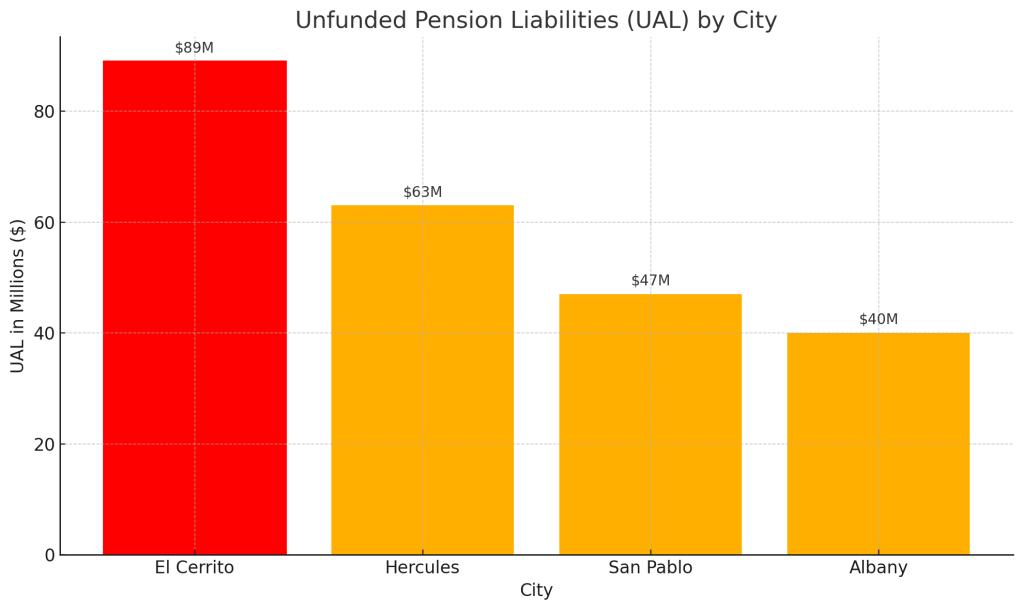
El Cerrito’s unfunded accrued pension liabilities, currently nearing $89 million, represent a significant long-term risk. These liabilities—funds owed to retirees that are not yet covered by the city’s pension plan—have a cascading effect:

  • They lower the city’s credit rating, increasing borrowing costs for critical projects like a new library or senior center.
  • They divert funds from essential services such as public safety and infrastructure.
  • They create an equity issue by shifting financial burdens to future generations, who will face higher taxes and reduced services.

Even though the state auditor recently lifted El Cerrito’s high-risk status, this was largely due to the general fund balance. The auditor cautioned:

“We conclude that El Cerrito has partially addressed this risk area by making an effort to reduce personnel costs and completing a citywide salary study. Nonetheless, the city will need to be attentive to costs in the future because the recent salary study could generate pressure to increase personnel costs.”

Although the City’s Newsletter release was entirely celebratory, this statement highlights the dual risks of upward pressure on periodic payroll and the potential for the PERS retirement liability to continue increasing. With the unfunded liability already at $89 million, unchecked growth in these obligations could significantly worsen the city’s financial outlook. There’s more:

The “Fund Balance” Controversy

Council-members Tessa Rudnick Paul Fadelli and Lisa Motoyama, have claimed an impressive turnaround: the city’s fund balance improving from -$110,000 in 2020 to $16 million in 2024. However, transparency issues and conflicting information make it difficult to verify this claim.

A public records request to substantiate the $16 million figure was denied, citing contradictory reasons:

  • “No records responsive to this request”
  • “The public interest served by not disclosing the record clearly outweighs the public interest by disclosure of the record.”

If the $16 million figure includes restricted funds and already-spent liabilities, the city’s unrestricted fund balance may still be zero.

Declining Credit Rating

El Cerrito’s credit rating dropped from A- in 2013 to BBB-, the lowest investment-grade rating, before slightly improving to BBB in 2023. This matters because poor credit increases borrowing costs for essential projects. For example:

  • Borrowing $21 million for a new library with a 5% interest rate over 30 years would cost $41 million.
  • At 10% interest, the cost would balloon to $66 million.

In both cases, taxpayers bear the burden. Fiscal responsibility and transparency are essential to avoid such heavy costs.

Property Tax Missteps

The Real Property Transfer Tax, a key revenue source for El Cerrito, has also been mishandled. In 2022, rising interest rates and a cooling real estate market were projected to reduce tax revenue from $4.9 million to $3.5 million. Despite warnings from the city’s Financial Advisory Board (FAB) and the state auditor, city officials dismissed these concerns. Predictably, revenue fell to the $3.5 million level—a shortfall the city could have planned for had it listened to expert advice.

The Path Forward

El Cerrito has made progress in addressing its financial issues, but challenges remain. The city must:

  • Prioritize transparency and accountability, especially regarding its fund balance and financial reporting.
  • Address unfunded pension liabilities to ensure long-term stability.
  • Avoid overly optimistic revenue projections and plan for contingencies.
  • Improve its credit rating to reduce borrowing costs for essential projects.

A Call for Leadership and Fiscal Responsibility

El Cerrito’s financial health affects everyone in the community, from the quality of public services to the tax burden on residents. While the city has taken steps in the right direction, sustained effort and strong leadership are needed to ensure a stable and prosperous future. It’s time for city officials to embrace fiscal responsibility and work collaboratively with residents and advisory boards to build a stronger El Cerrito.

#ElCerrito #CaliforniaCities #FiscalResponsibility #PensionLiabilities #GovernmentTransparency #LocalGovernment #PublicFinance #CommunityLeadership #ElCerritoBudget #CityManagement #UnfundedLiabilities #CreditRating #PropertyTax

The Case for a Senior Center

The city’s mid-year budget report raises important questions about spending, priorities, and transparency. While officials shared the numbers, they could have been clearer about what they mean for taxpayers. The reality is simple: spending is up—significantly.

Spending Has Increased by 5.67%—

Comparing fiscal years makes it obvious:

• FY 2025 Budget: $26,698,616

• FY 2024 Budget: $25,265,097

That’s an increase of over $1.4 million, or 5.67% more than last year—yet the city’s communication left it up to residents to figure that out.

Employee Compensation: Rising Costs Without Clear Returns

Employee compensation alone has jumped by $1.7 million. While competitive salaries are important, the community deserves to know if these increases are leading to better services. And despite this spending, the city still says it can’t fund a senior center.

This spending increase is largely driven by the classification and compensation study, which the city manager prioritized to align salaries with other municipalities. However, the State Auditor previously recommended conducting a staffing analysis first to determine actual needs before making across-the-board salary adjustments. Instead, the city reversed that order, increasing costs without a clear understanding of how staffing should be structured.

Fire Department Spending: Who Pays?

Fire department costs have surged, but there are some serious questions that need to be answered:

• How much of these costs will be covered by outside funding (such as reimbursements for mutual aid) versus how much is being absorbed by local taxpayers?

• Why does the city have four battalion chiefs when no other city of its size in Contra Costa County has four?

Each battalion chief costs at least $300,000 when factoring in salary, benefits, and overtime. That means taxpayers are covering at least $1.2 million just for these positions. If this level of staffing is necessary, the city needs to justify it. Otherwise, it looks like excessive spending.

Recreation Budget Jumps—Still No Senior Center?

We recognize that the recreation center generates revenue, which is important for city operations. However, we also recognize that a significant number of our residents are over 65 and could benefit from a dedicated senior center.

The Advantages of a Senior Center for Our Community

A senior center isn’t just a nice-to-have—it’s a necessary investment in our aging population. Here’s why:

• Improved Quality of Life – A senior center provides social engagement, fitness programs, and mental health support that enhance well-being and prevent isolation.

• Health & Wellness Programs – Exercise classes, nutrition workshops, and health screenings can help older adults stay active and reduce healthcare costs.

• Support Services – Many seniors need access to resources like transportation assistance, financial literacy workshops, and caregiver support.

• Intergenerational Engagement – A senior center can host mentoring programs, tutoring, and volunteer opportunities, strengthening community ties.

• Economic Benefits – Local businesses benefit when seniors shop, dine, and engage in community activities. Seniors who stay active and involved contribute to the economy just like any other demographic.

• Grants & Funding Opportunities – Cities that invest in senior services are often eligible for state and federal grants, offsetting costs and bringing additional funding into the community.

Time for a Real Investment in Our Seniors

Budgets reflect values. If the city can find the funds for increasing employee compensation, expanding recreation, and adding costly administrative positions, then it should be able to prioritize the needs of its older residents who have contributed to this community for decades.

A senior center isn’t just about spending money—it’s about making a smart investment in the people who built this city.

The numbers don’t lie. It’s time for straight answers about how the city is managing its finances—and whether those decisions truly serve all residents.

#BudgetTransparency #FiscalResponsibility #CitySpending #TaxpayerDollars #PublicFunds #SeniorServices #Accountability #WhereIsTheMoneyGoing #FireDepartmentBudget #JustifyTheCosts #SeniorCenterNow #InvestInOurSeniors

Financial Statements: El Cerrito’s Unexplained Expenses

The Annual Comprehensive Financial Report (ACFR) for the Fiscal Year Ended June 30, 2024, was released this week and is available on the Financial Advisory Board website under reports. The 141-page document details the city’s financial position, revealing both a $2.7 million increase in revenue over expenses and the use of $250,000 in reserves last year. Page 3 of the document “Departments diligent efforts to minimize spending brought total General Fund expenditures under budget by $2.7 million; that, coupled with the $3.4 million in additional revenue reduced the projected deficit of $6.3 million to $250,147.”

At first glance, a budget surplus might suggest the city is financially healthy, but why, then, did El Cerrito dip into reserves? That’s a question taxpayers deserve answers to. Most likely city spent a total of $2.95 million ($2.7 million surplus + $250,147 reserves) on items not “technically” categorized as expenses under accounting rules.

Where Did the Money Go?

Some known expenditures include:

  • $150,000 for new vehicles for the Fire Department, presumably for the Fire Chief or two of the four Battalion Chiefs.
  • $1.6 million to purchase a church, though its future purpose has not been publicly explained.
  • Possible debt payments or capital purchases, which must be listed in the financial report under Governmental Accounting Standards Board (GASB) requirements.

However, despite these known expenditures, the city’s seven-page transmittal letter does not clearly explain the full use of funds. El Cerritans shouldn’t need to be forensic accountants to understand where our money is spent therefore the El Cerrito Committee for Responsible Government (ECCRG) has raised concerns about the city’s financial transparency.

Why This Matters

El Cerrito residents should not need to be forensic auditors to understand how their tax dollars are spent. Government financial reports should make it easy to track where the money goes and why. When cities tout budget surpluses while simultaneously using reserves, it raises serious questions:

  • Why was reserve funding necessary if revenue exceeded expenses?
  • Are there other large expenditures not included in the transmittal letter?
  • How does this impact future budget planning and financial stability?

What Can You Do?

If you are concerned about financial transparency in El Cerrito, now is the time to take action:

Write to the City Council and City Clerk (ask that your comments be included in the Council packet).
Attend the City Council retreat on Saturday, February 1 (9 AM – 1 PM). Arlington Park & Clubhouse
1120 Arlington Blvd.
El Cerrito, CA 94530
Join the Tuesday, February 4, City Council meeting at City Hall

Contact Information

If you are concerned about financial transparency, contact the El Cerrito City Council and City Clerk to voice your concerns. Ask that your comments be included in the City Council packet for public record.

El Cerrito City Council Members (2025):

📍 Mayor Carolyn Wysinger
📧 Email: cwysinger@ci.el-cerrito.ca.us
📬 Mail: City Hall, 10890 San Pablo Ave., El Cerrito, CA 94530

📍 Mayor Pro Tem Gabe Quinto
📧 Email: gquinto@ci.el-cerrito.ca.us
📬 Mail: City Hall, 10890 San Pablo Ave., El Cerrito, CA 94530

📍 Councilmember Lisa Motoyama
📧 Email: lmotoyama@ci.el-cerrito.ca.us
📬 Mail: City Hall, 10890 San Pablo Ave., El Cerrito, CA 94530

📍 Councilmember Rebecca Saltzman
📧 Email: rsaltzman@ci.el-cerrito.ca.us
📬 Mail: City Hall, 10890 San Pablo Ave., El Cerrito, CA 94530

📍 Councilmember William Ktsanes
📧 Email: wktsanes@ci.el-cerrito.ca.us
📬 Mail: City Hall, 10890 San Pablo Ave., El Cerrito, CA 94530

City Clerk:

📍 Holly Charlety
📧 Email: hcharlety@ci.el-cerrito.ca.us
📧 General Clerk Email: cityclerk@ci.el-cerrito.ca.us
📬 Mail: City Hall, 10890 San Pablo Ave., El Cerrito, CA 94530

For those interested in advocating for more transparent financial practices, contact the El Cerrito Committee for Responsible Government (ECCRG).

Your Voice Matters.

Holding city officials accountable ensures that taxpayer money is spent responsibly and with clear public justification. Stay informed, get involved, and demand transparency.

#ElCerrito #CityBudget #TransparencyMatters #PublicFunds #Accountability #ElCerritoPolitics #TaxpayerRights #LocalGovernment #ElCerritoCityCouncil #FiscalResponsibility

A Concerned Citizen’s Perspective on El Cerrito’s Finances

Community involvement is essential for good governance. Simply liking social media posts is not enough to bring about real change. Staying informed and engaged through platforms like Livable El Cerrito and the El Cerrito Committee for Responsible Government can provide valuable insights into how our city is being managed.

El Cerrito’s financial struggles began nearly 20 years ago, during the 2008 financial crisis. While many cities took necessary steps to align their expenses with revenue in the following years, El Cerrito remains one of the few that has yet to do so. Instead of making meaningful structural changes, the city has relied on tax increases and short-term solutions to address long-standing budget issues.

Since 2010, multiple tax hikes have been approved, yet essential services remain stagnant or have even been reduced. Instead of improvements, much of the additional revenue has gone toward increasing employee compensation.

Before 2008, city expenditures have tracked closely with revenue increases. However, a concerning trend has emerged—despite repeated assurances of fiscal responsibility from city leadership, El Cerrito has struggled to maintain financial discipline. In 2019, residents were told that the city’s financial management had taken a conservative approach and that they had proven the independent auditor’s concerns wrong. Yet, the FY 2019 independent audit revealed that the city had overspent its budget by millions of dollars.

Now, in FY 2024—the first post-COVID year—El Cerrito’s financial situation appears eerily similar to pre-pandemic FY 2019. During the four COVID years (FY 2020–2023), the city experienced unique financial circumstances that temporarily alleviated fiscal pressures, with increased revenues and decreased expenditures.

Factors That Increased Revenues During COVID:

1. Federal ARPA Funding: El Cerrito received $6.1 million in federal aid.

2. Real Property Transfer Tax: Initially projected to generate $2.7 million annually, it exceeded expectations, bringing in over $4 million each year.

3. Property Tax Boom: Low interest rates led to inflated home prices, resulting in higher ongoing property tax collections.

4. Sales Tax Windfall: Changes in sales tax laws significantly boosted city revenue.

Factors That Reduced Expenditures During COVID:

1. Service Reductions: The permanent closure of the senior center and prolonged reduction of city services saved significant funds.

2. Staffing Challenges: Many police officers resigned, and overall employee compensation was lower than projected.

3. Infrastructure Neglect: Road repairs continue to be underfunded, with the city spending well below consultant recommendations, despite having a dedicated road repair tax.

4. Deferred Maintenance: The Ohlone Greenway and other critical infrastructure needs remain unmet, with an estimated $250 million backlog.

5. Missed Opportunities: The city failed to capitalize on low interest rates to refinance its CalPERS pension debt, potentially costing taxpayers millions annually.

6. Lost Grant Funding: El Cerrito did not allocate matching funds for a state library grant worth up to $10 million.

While the city is no longer on the brink of bankruptcy, the financial outlook remains concerning. Serious challenges persist, including underfunded infrastructure, pension liabilities, and the ongoing impact of service reductions on vulnerable populations. Without clear, transparent communication from city leaders about current and future financial needs, residents may face further tax increases without meaningful improvements to public services.

El Cerrito needs to take a hard look at aligning expenses with revenue, as so many other cities have done. The community deserves responsible financial planning that prioritizes long-term stability over short-term fixes.

Now more than ever, it is crucial for citizens to actively engage in the governance process. Attending council meetings, asking tough questions, and demanding accountability can help steer El Cerrito toward a more sustainable financial future.

If we want a thriving, well-managed city, participation must extend beyond social media. Stay informed and get involved—El Cerrito’s future depends on it.

Stay Informed, Stay Involved

Livable El Cerrito

El Cerrito Committee for Responsible Government

#ElCerrito #FiscalResponsibility #TransparencyMatters #TaxpayerAccountability #CityBudget #CommunityEngagement #InfrastructureMatters #PublicServices #ResponsibleGovernment #LocalGovernment #StayInformed #SpeakUpElCerrito #FinancialTransparency #TaxDollarsAtWork #LivableElCerrito

El Cerrito’s Credit Rating Crisis: From A- to BBB

When El Cerrito’s current city manager assumed office, the city held an A- credit rating, a mark of financial stability and prudent management. Fast forward to today, and the city is hanging on to a BBB rating, a stark drop that raises serious concerns about financial governance and the city’s economic future. This decline not only debunks the city manager’s claim of stability, it reflects poorly on management but also places El Cerrito at significant financial risk, as it teeters just one step above junk bond status.

What Does a Credit Rating Mean?

A credit rating is a measure of a city’s ability to meet its financial obligations. Higher ratings, such as AA-, signal low credit risk and responsible fiscal management. Lower ratings, like BBB, indicate a greater risk of default, higher borrowing costs, and reduced investor confidence.

For El Cerrito, the AA- rating represented a time when the city was seen as financially healthy and capable of funding essential services and future projects. Now, the BBB rating tells a very different story, one of financial instability, rising debt, and questionable budget practices.

The Decline: A Timeline of Fiscal Missteps

When the city manager took over, El Cerrito was on relatively solid financial ground. However, over the years, several key decisions have contributed to the erosion of the city’s creditworthiness:

  1. Uncontrolled Spending: Budgets have consistently run deficits, with expenditures far outpacing revenues.
  2. Lack of Transparency: Reports and audits have pointed to insufficient oversight and a lack of clear financial strategies.
  3. Poor Financial Planning: Reserve funds, intended to serve as a buffer during economic downturns, have been depleted.

In 2020, the city’s credit rating plummeted to near-junk status, reflecting the consequences of these ongoing issues. While the BBB rating indicates a slight improvement, it remains alarmingly low and reflects persistent fiscal challenges.

The Cost to Residents

The drop in El Cerrito’s credit rating isn’t just a technical financial issue—it has real-world consequences for residents.

  • Higher Borrowing Costs: The city pays more to issue bonds for infrastructure projects, meaning less money for roads, parks, and public safety.
  • Increased risk of raising taxes
  • Risk to Essential Services: Financial instability threatens funding for critical services like police, fire, and public works.
  • Decreased Investor Confidence: With a lower rating, fewer institutions are willing to invest in the city’s bonds, further limiting resources.

A Call for Accountability

Residents and stakeholders in El Cerrito should demand better financial management from their city leaders. The current situation is unsustainable, and the path forward requires:

  • Transparent Budgeting: Regular public updates on the city’s financial health and decision-making processes.
  • Strategic Cost Reductions: Thoughtful cuts to spending without compromising essential services.
  • Rebuilding Reserves: Establishing and adhering to a disciplined savings plan.

Your Voice Matters: Hold El Cerrito’s Leadership Accountable

El Cerrito residents, your city needs your voice now more than ever. As the city faces ongoing financial challenges and struggles to regain stability, it’s crucial that your concerns are heard by those in charge. The City Council must know that you demand transparency, accountability, and action to address the issues that have led to the city’s alarming decline in financial health.

How to Make Your Voice Heard

You can directly address the City Council by submitting your comments to the City Clerk. Here’s how:

  1. Write Your Comments: Share your concerns, questions, or suggestions regarding the city’s financial management, priorities, and leadership.
  2. Submit Your Comments: Email or call the City Clerk’s Office with a request to include your comments in the City Council packet.
  3. Ensure Public Visibility: By submitting your comments to the official City Council packet, your message becomes part of a public document that must be made available to all residents.

Contact the City Clerk

Send your comments to:

Be sure to include your name, contact information, and a clear request for your comments to be added to the City Council packet.

The Time for Action is Now

Residents like you are the key to driving change. By speaking up, you can ensure that El Cerrito’s leadership prioritizes fiscal responsibility, transparency, and the well-being of the community.

Can El Cerrito Recover?

The city’s financial future depends on strong leadership and a commitment to reform. While regaining an AA- credit rating may be a long-term goal, even incremental improvements in fiscal management can restore confidence and stabilize the city’s finances.

El Cerrito’s decline from AA- to BBB serves as a cautionary tale for other cities. For El Cerrito, it is a wake-up call—a reminder that fiscal health requires not just words but meaningful action.

Let’s work together to secure a brighter future for El Cerrito. Your voice matters—make it heard!

Like our posts? Subscribe using the link