In El Cerrito, consultants don’t just provide professional services—they provide reassurance. And for a city in financial distress, that comfort has become dangerously convenient.
At the May 20, 2025, City Council meeting, NHA Advisors—El Cerrito’s longtime financial consultants—blamed CalPERS investment performance for the city’s soaring $89 million pension liability. But that narrative ignores reality. Nearly every city in California is affected by CalPERS investment returns. Yet few cities of El Cerrito’s size carry a severe pension burden.
The real issue isn’t the pension system—it’s El Cerrito’s choices. And the consultants who validate them.
A System That Reinforces the Status Quo
Consultants like NHA Advisors rely on small cities like El Cerrito for revenue. These cities often lack in-house financial capacity, making them easy long-term clients. But retaining the client often means reinforcing the client’s worldview. In El Cerrito’s case, that means avoiding tough truths about staffing models, spending priorities, and governance habits.
Rather than advise meaningful reform, consultants deliver affirming reports. They soften findings, minimize urgency, and present a picture of “strategic progress”—all while the city’s finances deteriorate in plain sight. In short, they have no credibility. The NHA presentation was akin to having your spouse provide an alibi.
The Data Tells a Different Story
Two graphs from 2024 show just how far El Cerrito has veered from sound financial management:
Pension Costs vs. General Fund Reserve Ratio (2024)
El Cerrito is a stark outlier—saddled with high pension costs and among the lowest General Fund reserve ratios in the state. Compare this with a city of similar size and population, Hercules, which maintains moderate pension costs and a much healthier reserve position. The trendline is clear: higher reserves are associated with more manageable pension costs. El Cerrito breaks this trend in the worst way possible.
Net Worth vs. General Fund Reserve Ratio (2024)
Here, El Cerrito again appears in the bottom left—low reserves, negative net worth. This is not a technicality. It is a financial red flag. And yet, NHA and other city paid consultants continue describing El Cerrito’s fiscal posture as “strategic” and “resilient.”
The Section 115 Misdirection
One of the city’s supposed bright spots—the creation of a Section 115 Pension Trust—has also been mishandled. El Cerrito deposited $1.4 million into the trust but chose a highly conservative investment strategy. The result? The return was roughly half of what CalPERS would have generated. Most other cities using Section 115 funds are in surplus positions and invest more aggressively. El Cerrito is not in that category. Yet again, consultants downplay the consequence.
Conclusion: Stop Paying for Permission
El Cerrito’s consultants keep the city comfortable. They allow it to believe that nothing drastic needs to change. That higher taxes, vague plans, and polished slide decks will eventually solve deep structural problems. But the graphs, the rankings, the outcomes—they all say otherwise.
Until El Cerrito stops paying for affirmation and starts demanding accountability, the city will remain stuck. And its residents will keep footing the bill.
Fire protection is one of the most visible and vital services cities provide regarding public safety. But how many fire stations are enough—and at what cost?
Let’s examine El Cerrito’s performance in terms of fire station density, risk exposure, and financial sustainability compared to other Contra Costa County cities.
More Fire Stations per Square Mile than Any Other City
El Cerrito and Kensington have three fire stations serving a combined area of 4.2 square miles, resulting in approximately 1.4 square miles per station—the most concentrated fire coverage in Contra Costa County. This high density of fire stations is complemented by a robust leadership structure, including four battalion chiefs, which is notable given the city’s size.
Battalion Chief Staffing Across Contra Costa County
The Contra Costa County Fire Protection District (Con Fire) oversees 26 fire stations across four battalions, managed by 10 battalion chiefs. This structure averages to about 2.5 battalion chiefs per battalion. In contrast, El Cerrito’s four battalion chiefs for three stations indicate a higher leadership-to-station ratio.
Other cities in the county, such as San Pablo and Pleasant Hill, typically operate with fewer battalion chiefs, often sharing resources through mutual aid agreements. For instance, the Richmond Fire Department supervises eight companies with a single battalion chief per shift.
Notably, one of El Cerrito’s battalion chiefs is assigned solely to Training. While training is important, it typically does not require a high-ranking, high-salaried staff person to manage it full-time—particularly in a city of this size. Other cities coordinate training through shared services, rotating command staff, or specialized support roles that don’t carry the same cost burden.
Financial Implications
El Cerrito’s four battalion chiefs collectively cost approximately $2 million annually. This expenditure is significant when compared to the city’s overall fire department budget and raises questions about financial sustainability, especially in light of pension liabilities and structural deficits.
In comparison, the Contra Costa County Fire Protection District’s general fund budget for the fiscal year 2023-2024 is $219.3 million. While this larger budget supports a broader area and more extensive services, the per capita and per station expenditures may offer insights into potential efficiencies.
Given the high density of fire stations and the substantial investment in leadership, El Cerrito may benefit from evaluating its fire department structure. Potential considerations include:
Resource Allocation: Assessing whether the current number of battalion chiefs aligns with operational needs.
Regional Collaboration: Exploring partnerships with neighboring cities to share leadership roles and reduce costs.
Operational Efficiency: Analyzing call volumes and response times to determine if resources are optimally deployed.
Engaging in a community dialogue about these considerations can help ensure that El Cerrito maintains effective fire protection services while also addressing financial sustainability.
Time for a Community Conversation
The question isn’t whether El Cerrito needs fire protection—it does. The question is whether the current configuration reflects the most innovative use of resources, particularly given the city’s:
Structural deficit
Unfunded pension liabilities
Competing infrastructure needs
Would regional collaboration, station reallocation, or a right-sized leadership model provide equivalent safety at a lower cost?
Residents deserve transparency, data, and discussion. When it comes to public safety and public dollars, effectiveness and efficiency matter.
Here is a comparative chart of Contra Costa County cities, detailing their area in square miles, number of fire stations, and the area covered per fire station:
City/Town
Area (sq mi)
Fire Stations
Area per Station (sq mi)
El Cerrito/Kensington
4.57
3
1.52
San Pablo
2.6
1
2.6
Pleasant Hill
7.1
2
3.55
Clayton
3.8
1
3.8
Richmond
30.1
7
4.3
San Ramon
18.6
4
4.65
Walnut Creek
19.8
4
4.95
Pinole
5.3
1
5.3
Hercules
6.0
1
6.0
Danville
18.0
3
6.0
Orinda
12.8
2
6.4
Martinez
13.1
2
6.55
Lafayette
15.4
2
7.7
Pittsburg
17.0
2
8.5
Moraga
9.4
1
9.4
Alamo
9.7
1
9.7
Concord
30.5
5
6.1
Antioch
29.0
3
9.67
Brentwood
14.0
1
14.0
Oakley
15.0
1
15.0
Note: The number of fire stations is based on available data and may vary over time.
This chart illustrates that the combined El Cerrito/Kensington area has the highest densities of fire stations relative to its area, with approximately 1.52 square miles per station. In contrast, cities like Oakley and Brentwood have larger areas per station, at 15.0 and 14.0 square miles, respectively.
El Cerrito residents deserve a transparent and responsible budgeting process—but we’re getting sleight of hand instead.
During the cityCouncil meeting today, City Manager Karen Pinkos continued to present an operating budget that deliberately excluded known expenses. These aren’t surprises. They’re foreseeable needs—yet they’re left out of the formal budget and funded later using unrestricted reserves. That’s not sound financial planning. It’s a tactic that undermines transparency and accountability.
Let’s be clear about the numbers.
The city often touts its 17% reserve level as a sign of stability. But that figure is misleading. It includes:
A $1.4 million Section 115 trust, which is restricted and conservatively invested
A $9 million Emergency Disaster Relief Fund (EDRF), approved by the City Council in August 2023, was set aside specifically to cover approximately three months of citywide payroll in the event of a natural disaster or economic emergency.
These funds were never intended to cover gaps caused by poor budget planning. When these restricted amounts are removed, the city has just over $11 million in true unrestricted reserves—barely above the Government Finance Officers Association’s (GFOA) minimum recommendation for a town our size.
The deeper concern is the excluded costs are known. Rather than include them in the adopted budget—where they can be weighed against other priorities—the City Manager rolls over much of the previous year’s budget and brings these “must-have” items to Council after the budget is approved. This practice forces Councilmembers into a bind: approve additional spending later or appear to withhold critical services—a no win situation.
That’s not budgeting. That’s brinkmanship.
The City Manager is one of the city’s highest-paid employees. She is responsible for setting priorities and presenting a realistic, comprehensive budget—not relying on reserves to fund known obligations and pressuring the Council to act.
The issue isn’t whether the pool or the fire needs are needed. Both are needed. However, the real problem is that the City manager didn’t do their job. She should have considered these items and presented them in the adopted budget instead of presenting a “balanced” budget. That’s a disingenuous way to govern.
Second, the item should have appeared earlier in the budget. There was no public comment because everyone was asleep. This approach to addressing important issues should not be taken.
Call to Action: Demand Transparency in Budgeting
El Cerrito deserves an honest budget.
The City Council must direct the City Manager to include all known expenses in the original proposed budget—not defer them for mid-year additions funded by reserves. This practice distorts the true cost of city operations, obscures priorities, and puts undue pressure on Council to approve rushed, after-the-fact expenditures.
We urge the Council to take leadership now. Direct the City Manager to present a complete, transparent, and prioritized budget that reflects the city’s real needs up front.
✅ No more piecemeal funding ✅ No more budget sleight of hand ✅ No more misuse of the description of emergency and Section 115 as if they are available for budget overruns.
Municipal bond ratings assess a city’s creditworthiness and directly affect the interest rates it pays when borrowing. Agencies like S&P Global Ratings and Moody’s issue these grades, with higher ratings signaling strong financial health. A downgrade not only reflects concern—it costs cities more to borrow and weakens their financial position over time.
El Cerrito’s Financial Context
El Cerrito’s finances have been under scrutiny for more than a decade, and the city’s bond rating has steadily declined over that period.
In 2018, Karen Pinkos became City Manager. At that time, El Cerrito held an A- bond rating from S&P—a solid, investment-grade level. However, in the years following her appointment, the city’s finances worsened significantly:
The city overspent
Reserves were depleted.
Long-term obligations remained underfunded.
Despite voters approving multiple tax increases, including a real property transfer tax (Measure V in 2018) and a recreation tax (2019), the city failed to demonstrate sustained financial discipline.
By 2020, the senior center had permanently closed, other services were cut, and the city was downgraded to BBB-, just one step above junk bond status.
📉 Bond Rating Deterioration Timeline
Year
Rating
Notes
2013
A+
Downgraded from AA-
2018
A-
Pinkos becomes City Manager
2019
BBB
Continued structural imbalance despite new tax revenue
2020
BBB-
Services cut, senior center closed
2023
BBB
Slight improvement; still below 2018 level
Source: S&P Global Ratings
📄 State Auditor’s Oversight and Misunderstood “Recovery”
In March 2021, the California State Auditor listed El Cerrito among California’s top 10 most fiscally at-risk cities, flagging excessive spending and the city’s unwillingness to address deficits. This designation placed El Cerrito in the bottom ~2.5% of California’s 400+ cities.
In 2024, El Cerrito was removed from the high-risk list. However, this does not indicate financial strength—only that the city is no longer among the worst 10–15 performers. Removal from the list should be seen as a minimum threshold achievement, not a signal of long-term sustainability or fiscal health.
The Disconnect Between Taxes and Services
Since 2010, voters have supported a series of tax increases intended to maintain and improve services:
Measure R (2010 & 2014) – Sales taxes
Measure V (2018) – Real property transfer tax
Recreation Tax (2019)
Measure G (2024)
(2026)– A planned (“forever”) tax
Despite these efforts, essential services have been reduced. The senior center remains closed. Road conditions and amenities like the Ohlone Greenway show limited improvement. Residents are paying more and receiving less.
Why It Matters
A declining bond rating reflects deeper issues: weak internal controls, deferred maintenance, lack of long-term planning, and reactive budgeting. While the 2023 upgrade to BBB was a step forward, the city remains two full notches below where it stood in 2018.
Unless El Cerrito aligns its spending with sustainable priorities and enforces financial accountability, residents risk further tax increases without meaningful service delivery.
The Richmond Street Complete Streets Project is moving forward under the Contra Costa Transportation Authority (CCTA) oversight, which issued the regional Request for Proposals (RFP 23-3) to deliver bicycle and pedestrian safety improvements across Contra Costa County. This initiative is funded through the federal Safe Streets and Roads for All (SS4A) program, which supports local safety projects aimed at reducing transportation-related deaths and injuries—particularly in historically underserved communities.
CCTA, as the SS4A grant recipient, entered into cooperative agreements with local agencies, including the City of El Cerrito, each of which was responsible for implementing safety improvements in its jurisdiction. For El Cerrito, that means reimagining Richmond Street, a two-lane corridor stretching from Fairmount Avenue to the northern city limits. This road serves schools, churches, civic buildings, and a senior housing complex—and it’s now the focus of a planning effort that could reshape how residents move through their neighborhoods.
What’s Actually Being Planned?
The winning proposal from CSW/Stuber-Stroeh Engineering Group, supported by subconsultants Fehr & Peers and Orion Engineers, outlines a plan that includes:
Roadway safety audits
Traffic calming measures
Sidewalk and curb ramp upgrades
Bicycle infrastructure “if feasible”
Environmental reviews and stormwater design
Limited community outreach
The stated goal is to improve safety and accessibility for all users—pedestrians, cyclists, and drivers—while aligning with El Cerrito’s Complete Streets Policy and Bicycle and Pedestrian Master Plan.
However, much of the project’s public discussion has focused on bike lanes, even though the RFP only calls for “recommendations for separated bicycle facilities if feasible.” That phrasing matters: it signals that bike lanes are not required—and should only be added if they’re a good fit for the community, street layout, and budget.
Are Bike Lanes Required?
Despite what some may assume, bike lanes are not legally required on Richmond Street. El Cerrito’s policy frameworks encourage safer multimodal infrastructure, but they stop short of mandating bike lanes on every corridor—especially when design constraints, parking needs, or adjacent alternatives exist.
Richmond Street is already a constrained corridor with limited space, no existing bike lanes, and heavy usage from school traffic, seniors, and neighborhood events. Adding Class II (striped) or Class IV (protected) bike lanes would likely require removing on-street parking or narrowing travel lanes—decisions with serious implications for safety, accessibility, and livability.
Do We Even Need Bike Lanes on Richmond?
There’s an existing alternative that few are talking about: the Ohlone Greenway.
This paved multi-use trail, just a few blocks west of Richmond Street, runs parallel to the corridor and was purpose-built for pedestrian and bicycle use—with almost no vehicle traffic. The only exceptions are the rare presence of city or police vehicles performing official duties. The Greenway connects residents to schools, BART stations, parks, and neighborhoods across El Cerrito. In many ways, it already fulfills the function bike lanes on Richmond would serve.
The Greenway does have issues: uneven pavement, root damage, and poor drainage have made sections of it difficult to use—especially for seniors, children, and people with mobility challenges. But these are maintenance problems, not justification to duplicate infrastructure on a nearby street with tighter physical and functional constraints.
Rather than impose expensive and potentially disruptive bike lanes on Richmond Street, El Cerrito should prioritize repairing and enhancing the Ohlone Greenway—an existing, safe corridor with no cars and clear regional utility.
What Will Bike Lanes Cost?
This remains unclear. The consultant proposal does not provide a separate cost estimate for adding bike lanes to Richmond Street. However, associated tasks—like striping, curb and ramp upgrades, traffic signal adjustments, and stormwater infrastructure—can significantly increase both upfront and long-term costs.
More importantly, any infrastructure added under a federal grant will eventually fall under the City’s responsibility to maintain. That means ongoing sweeping of bike lanes, upkeep of signage, and regular repairs. If costly modifications are installed and underused, the financial burden falls back on local taxpayers.
A transparent design process should offer the public clear choices, such as:
No bike lanes (focus on pedestrian and traffic calming improvements)
Shared-lane markings (“sharrows”) as a low-impact alternative
Full bike lanes, with line-item costs and trade-offs
Who’s Actually Biking Here?
To date, no recent usage study has been provided for Richmond Street. The City’s Bicycle and Pedestrian Master Plan and earlier corridor studies are several years old and focused on other areas, such as San Pablo Avenue and South El Cerrito.
The consultant team mentions using travel data from local schools, but there’s no plan—yet—for updated counts of cyclists or pedestrians on Richmond itself. Without this data, it’s difficult to make the case that bike lanes are either necessary or a top priority.
If public dollars are to be spent wisely, real usage data must drive design—not assumptions.
When Will Residents Have a Voice?
Public input is expected to be limited. The consultant’s proposal includes just one open house, a handful of stakeholder interviews, and an online survey.
But Richmond Street is not just another road—it’s a key connector for seniors, school families, churchgoers, and pedestrians. Its design must reflect their lived realities—not just a grant writer’s checklist. Meaningful engagement should include multilingual materials, outreach at school sites and senior facilities, and open acknowledgment of competing needs.
What Comes Next?
With the contract awarded and design work underway, El Cerrito residents still have time to ask important questions:
What is the cost of each proposed improvement—especially bike lanes?
Who will maintain any new infrastructure when federal funding runs out?
Are there real usage numbers for bicycles on Richmond Street?
Why duplicate infrastructure when the Ohlone Greenway already exists nearby?
Will removing parking harm safety or accessibility for seniors and students?
Infrastructure decisions have lasting consequences. While grants like SS4A offer much-needed funding, they should be used thoughtfully, not automatically. If El Cerrito wants a street that works for all, it must start by listening to the people who use it—and by investing where the need is real.
Contact the El Cerrito City Council and Share Your Concerns:
Mayor Carolyn Wysinger — cwysinger@ci.el-cerrito.ca.us
Mayor Pro Tem Gabe Quinto — gquinto@ci.el-cerrito.ca.us
Councilmember Lisa Motoyama — lmotoyama@ci.el-cerrito.ca.us
Truth is suppressed, not to protect the country from enemy agents, but to protect the Government of the day against the people.
——
Essential, But Not Budgeted: The Cost of Poor Planning in El Cerrito
El Cerrito continues to show signs of financial mismanagement—this time by failing to include known, essential expenses in the city’s FY25 budget. Despite identifying $4.5 million in “must-have” items as early this year, the city manager rolled over last year’s budget with minimal adjustments. These expenses, which include critical safety equipment for the fire department, were not publicized until months later, when staff presented a list of needs to the City Council as add-ons.
Expenses known during the original budget adoption
This raises a serious question: if these items were essential, why weren’t they in the original budget?
Unfortunately, this isn’t a one-off. El Cerrito often operates with a troubling sense of autonomy, making budget decisions based on internal preferences rather than public need, and only seeking community input or financial support when gaps emerge. The pattern is clear: avoid tough trade-offs in June, then return to the Council and public in the fall, asking for more money or approval for urgent expenses.
The city’s own financial track record makes this even more concerning. El Cerrito was recently named one of the 15 most at-risk cities in California out of 400, according to the State Auditor, in part due to chronic overspending and a lack of strategic planning. The Auditor recommended a series of reforms: reducing reliance on reserves, proactively managing pension liabilities, and adopting a long-term financial plan that aligns spending with sustainable revenues.
Instead of following these recommendations, city leadership continues to sidestep accountability. The inclusion of safety equipment for first responders—months after the budget was adopted—illustrates how even essential services are treated as afterthoughts. This isn’t just poor planning. It’s a fundamental failure of governance.
Residents deserve a government that puts core needs at the center of its planning process—not one that treats them as optional, then expects applause for “finding” money mid-year.
This message is especially for mid- to low-information voters who may not have the time to follow budget hearings or Council deliberations. But being informed—especially during budget season—is one of the most powerful tools residents have to push for a better-managed city.
How You Can Take Action:
Attend City Council Meetings: Ask why essential items were not included in the adopted budget. Demand better planning and adherence to the state auditor’s recommendations. Join or Form a Community Group: Work with others who care about public safety, financial stability, and transparent government. Stay Informed: Read budget summaries, follow watchdog groups, and review the city’s performance against its stated financial goals. Vote for Accountability: Support candidates who take financial stewardship seriously and who are committed to responsible budgeting.
Contact the El Cerrito City Council:
Let them know this kind of budgeting is unacceptable.
A Civic Report Card Behind the Illusion of Progress
El Cerrito City Hall paints a picture of progress—balanced budgets, climate goals, vibrant neighborhoods. However, behind the branding is a different reality. Services have disappeared, debt has grown, and infrastructure has declined.
While public statements promise fiscal stability and community investment, the numbers tell a different story. Let’s evaluate the city not by its slogans, but by its outcomes.
CREDIT RATING: From A- to BBB
In 2018, El Cerrito held an A- credit rating. Today, the city is rated BBB—barely investment grade and only one notch above “junk.” A lower rating means fewer options, higher borrowing costs, and greater taxpayer risk.
Grade: C-
PENSION DEBT: Soaring and Unsustainable
In 2018, the city’s unfunded pension liability stood at $67 million. That number has now jumped to over $89 million. The annual payment to CalPERS has also surged—up from $4.8 million to nearly $8 million.
That’s more money diverted from parks, public safety, and street repairs to cover the cost of retirement benefits promised long ago—with no meaningful solution in sight.
Grade: D
STREET QUALITY: A Declining Asset
Once one of El Cerrito’s strongest points, road conditions are slipping. The Pavement Condition Index (PCI) fell from 82 in 2018 to 68 today—a 14-point decline. This kind of drop doesn’t just impact comfort; it signals mounting repair costs down the line.
Grade: C-
OHLONE GREENWAY: A Neglected Community Asset
The Ohlone Greenway, a car-free corridor ideal for walking and biking, is just a few blocks from Richmond Street. In theory, it should solve local transit issues. But in reality, it’s suffering from neglect: uneven pavement, poor lighting, and inconsistent maintenance.
City vehicles and police occasionally use the path, but for most residents, it no longer feels like a well-maintained public amenity.
Grade: D+
SENIOR SERVICES: Erased
In 2018, El Cerrito had a dedicated Senior Center that offered meals, recreation, and a community space for older residents. Today, it does not. The building is gone, and with it, the vital connections and services it provided.
For a city that claims to value equity and inclusion, cutting services to seniors—among the most vulnerable—raises serious concerns.
Grade: F
CRIME: A Growing Concern
Crime has become a growing issue, particularly in the form of property crime—auto break-ins, theft, and catalytic converter thefts. Though violent crime remains relatively low, public safety concerns are rising.
Police staffing and response times are strained, and many residents feel less safe than they did five years ago.
Grade: C
So, What Grade Does El Cerrito Earn?
Let’s tally the results:
Credit Rating: C-
Pension Liability: D
Street Quality: C-
Ohlone Greenway: D+
Senior Services: F
Crime and Safety: C
Final Composite Grade: D+
This is a failing report card for a city that talks about transformation and resilience. Yet the city Council continues to fund consultants, promote new taxes, and tout “balanced” budgets that depend on shrinking reserves mid-year.
Residents are being asked to trust a vision—while losing services, paying more, and watching assets decline.
Speak Up. Get Involved. Demand Better.
If you’re concerned about El Cerrito’s direction, contact your elected officials. Ask for transparency. Demand performance—not spin.
El Cerrito City Council Contact Information:
Mayor Carolyn Wysinger – cwysinger@ci.el-cerrito.ca.us
Mayor Pro Tem Gabe Quinto – gquinto@ci.el-cerrito.ca.us
Councilmember Lisa Motoyama – lmotoyama@ci.el-cerrito.ca.us
The City of El Cerrito has proposed a new initiative that could dramatically reshape the city’s financial landscape and impose a significant burden on property owners. This initiative, known as the El Cerrito Library Initiative, seeks to fund the planning, construction, and furnishing of a modern library in El Cerrito. At first glance, the measure appears to be a well-intentioned effort to modernize library services for the community. However, a closer examination reveals significant concerns regarding financial sustainability, accountability, and transparency.
📊 Understanding the Special Tax: What Will It Cost Residents?
Under the initiative, property owners will be subject to a special tax calculated at $0.17 per square foot of improved building area per year, while vacant parcels will incur a flat tax of $100 per year. Here is how the tax would impact typical homeowners: 1,700 sq ft home: $289.00 per year. 2,200 sq ft home: $374.00 per year. For a city with approximately 10,483 housing units, this tax is expected to generate substantial revenue. Based on an average home size of 1,800 square feet, the estimated annual revenue from this tax would be approximately: 1,800 sq ft × $0.17 = $306 per year per home. $306 × 10,483 units = $3.2 million per year.
💰 A Long-Term Financial Commitment
This special tax is not a short-term measure. The initiative proposes that the tax will remain in effect for 30 years, providing a continuous stream of revenue for the city. Over three decades, this would generate approximately $3.2 million per year × 30 years = $96.2 million. This is a staggering $96.2 million in taxpayer funds for a project that is projected to cost $52 million. This means that taxpayers are being asked to pay 85% more than the estimated cost of the project.
❓ Unanswered Questions About Revenue Estimates
One of the most concerning aspects of this initiative is the lack of transparency around the revenue and cost estimates. While the city has set the tax rate and projected a total cost of $52 million for the library, it has not provided clear information on how the $52 million project cost was calculated, whether this amount includes all associated expenses, such as design, construction, furnishings, and operating costs, or how the city determined that $0.17 per square foot is the right rate to meet funding needs without being excessive.
⚠️ A Blank Check for City Spending?
The initiative’s language allows for an extensive range of expenditures: Planning, construction, and furnishing of a new library. Legal, architectural, design, and consulting fees. Operating costs for the new library for the first ten years. Administrative expenses, including attorney fees for defending the tax. This broad definition leaves the door open for cost overruns, mismanagement, or the diversion of funds to unrelated expenses under the guise of “administrative costs.”
🏚️ A Solution Searching for a Problem?
Proponents argue that El Cerrito’s existing library is outdated and too small to serve the community. The initiative highlights the library’s poor condition, including cramped space, inadequate lighting, limited seating, and outdated facilities. However, the initiative’s case is built on outdated studies from 2006 and 2014, and there is no evidence of a recent assessment of library usage or resident satisfaction. This raises a critical question: Does El Cerrito truly need a $52 million library?
📉 Weak Oversight Provisions
While the initiative establishes a citizen oversight board, the board’s authority is unclear. It can review spending but has no power to stop wasteful spending or require corrective action. This limited role is unlikely to provide meaningful accountability.
📈 Escalating Tax Rates
The initiative allows the City Council to increase the tax rate annually based on the cost of living or personal income growth. Over 30 years, this could dramatically increase the tax burden on residents.
🚨 Potential Financial Risk
El Cerrito’s history of financial mismanagement is well-documented. The city has struggled with pension liabilities, excessive spending, and a lack of financial discipline. The idea of a 30-year tax measure with open-ended spending authority should raise alarm bells for any resident concerned about the city’s fiscal health. Significant Debt: The initiative allows the city to incur debt through bonds, secured by future tax revenue, creating a long-term financial obligation with interest payments. No Guarantee of Cost Control: The city is under no obligation to limit the library’s construction costs. Escalating Costs: The tax rate can increase over time, further burdening residents.
🏠 Who Benefits?
The measure claims to benefit the entire community, but the primary beneficiaries appear to be city officials and contractors who will be involved in the library’s planning and construction. Another primary beneficiary is the city’s own coffers. The revenue generated by this tax is not just about building a library; it provides a substantial financial cushion for the city’s budget. Given El Cerrito’s history of deficit spending, it is difficult to ignore the possibility that some of this money may be redirected to cover other expenses under the broad language of the initiative.
✅ A Better Path Forward
El Cerrito residents deserve a high-quality library, but this initiative is not the right solution. A better approach would be to: Conduct a comprehensive, data-driven assessment of the current library’s usage and residents’ needs. Develop a detailed, transparent budget for the proposed library, including cost estimates for construction and long-term operating expenses. Explore alternative funding options, such as state or federal grants, private donations, or partnerships with educational institutions. Limit the scope of the special tax to construction costs only, with operating costs funded through the city’s general budget.
Just Compare to Pleasant Hill
Just compare to Pleasant Hill, which is the comparable most often cited by library advocates. Pleasant Hill will officially unveil its new library on July 30. The $24 million project sits on 5 acres donated by Contra Costa County at 1700 Oak Park Blvd. It was paid for by public funds approved by voters in 2016 via Measure K. The new Pleasant Hill library is 25,876 square feet—significantly larger than the proposed El Cerrito library.
The $10 million savings that we keep on hearing about does not compute.
📌 Conclusion
The El Cerrito Library Initiative is a long-term financial gamble with uncertain benefits. It offers a vague promise of a new library at an enormous cost to residents, without adequate safeguards to ensure that funds are used efficiently and responsibly. With projected revenues of $96.2 million—a staggering 85% more than the estimated project cost—this initiative places a heavy financial burden on residents with little assurance of value in return. The reality is that the biggest beneficiary of this initiative is not the community but the city’s own budget. The funds raised by this tax can help prop up the city’s finances amid ongoing deficit spending. Residents should demand transparency, accountability, and financial prudence before agreeing to a 30-year tax that will cost them far more than the price of the library itself.
El Cerrito residents are being misled. Despite claims of discretionary spending, the reality is starkly different. The so-called “surplus” is nothing more than a fragile cushion, barely above the minimum reserve requirement—and it’s shrinking fast. Here’s what you need to know.
Not Discretionary Funds – Only a Cushion
The city’s financial projections show approximately $2.1 million above the Government Finance Officers Association (GFOA) recommended 17% reserve requirement. However, this is not discretionary spending. It is a critical cushion meant to protect the city against unexpected financial shocks.
But even this cushion is misleading. El Cerrito has developed a troubling pattern of using reserves to balance the budget at mid-year. This means that any amount used this year reduces the available cushion in future years, leaving the city more vulnerable to further financial instability.
City Balks at Requests for Information
Unfortunately, the Finance Director has often parroted the City Manager’s responses rather than addressing these concerns directly. When council members asked for more detailed financial information, the response has been opaque or difficult for residents to understand. Like the City Manager, the Finance Director’s most common excuse given is a supposed lack of staff to provide the most basic information. This raises an important question:
Is the city unable to provide accurate, clear, and complete financial information and forecasts due to incompetence?
Or does it simply not want to provide the appropriate information to residents and council members?
Either scenario is unacceptable. A city cannot function responsibly without clear, accurate, and timely financial reporting.
Essential Items That Must Be Built into the FY26 Budget
Given this financial reality, El Cerrito must focus on essential spending areas in the FY26 budget, including:
Maintaining Core Services: Prioritize funding for essential services such as police, fire, and public works.
Capital Improvements and Maintenance: Address deferred maintenance for critical facilities.
Compliance and Legal Obligations: Ensure adequate funding for legal obligations, including regulatory compliance.
Revenue Stabilization: Explore options for increasing revenue through grants, service fees, or other sustainable methods.
City Council Contact Information
If you want the city to prioritize responsible spending, reach out to your City Council representatives:
El Cerrito cannot continue to balance its budget using reserves without severe long-term consequences. The City Council must take meaningful steps to right-size the budget, control spending, and explore sustainable revenue sources. El Cerrito can build a more secure financial future for all residents by making tough decisions now.
Hercules is similar in size and population to El Cerrito. In the early 2010s, the neighboring city of Hercules went through a staggering financial crisis. Costly redevelopment gambles, alleged mismanagement, and the fallout from the Great Recession left Hercules teetering on the edge of bankruptcy. This case study examines how a $38 million real estate project was sold for scraps, what led to the city’s distress, and the drastic measures taken to pull Hercules back from the brink.
A Redevelopment Dream Turns Nightmare
The half-built Sycamore North buildings in Hercules sat fenced off after construction stalled. The city invested $38 million into this redevelopment project, only to sell it for just $425,000. At the center of Hercules’s troubles was an ambitious mixed-use development that was supposed to be the crown jewel of a new downtown – sound familiar – except EC residents would be on the hook for cost overruns at the Plaza? Instead, it became a powerful symbol of the city’s misfortunes. By 2012, Sycamore North consisted of two half-finished, four-story buildings shrouded in plastic wrap – construction had halted when the money ran out. The city had sunk $38 million of public funds into this project, but those investments evaporated. In a desperate move, the Hercules City Council sold the unfinished buildings for only $425,000 – barely one cent on the dollar of what had been spent.
Even Hercules’s mayor at the time, Dan Romero, was stunned by the scale of the loss. “That project was a black hole. We couldn’t stop putting money into it,” Mayor Romero said of Sycamore North. “It would have doomed the city. We had to stop”.
In other words, continuing to pour resources into the stalled development would have bankrupted Hercules outright. Halting and selling the project for a pittance was the city’s only viable option, freeing Hercules from a financial sinkhole – albeit at a tremendous cost.
Mismanagement, Lawsuits, and Mounting Debt
Sycamore North, however, was only a sliver of Hercules’ woes.
The city’s finances had spiraled for years due to a storm of overambitious projects and poor oversight. (Think El Cerrito’s push for a new library.) Hercules had bet heavily on redevelopment—borrowing and spending to finance new housing, a waterfront transit center, and other civic projects—but many of these plans never materialized.
By 2012, the town was “awash in failed developments, lawsuits, and pricey consultant bills for projects that were never built.” Years later, voters would approve a tax for a new library and community center—this time with clearer plans and community support—reflecting both a hard-earned lesson and a cautious step toward renewal.
In one instance, Hercules paid millions to consultants for a transit center that remained only on paper. In another, the city became embroiled in a legal battle after missing a bond payment, which briefly led officials to utter the dreaded “B-word” – bankruptcy – in court.
Lawsuits piled up as contractors and creditors sought payment, even as city officials tried to recover funds they felt had been misspent. Behind the financial chaos was a pattern of mismanagement and lack of oversight in previous years. The state auditor sent going concern letters and the city had a risk designation.
These risky deals, a lack of internal controls, and deficit spending left Hercules with huge debts and a structural deficit. By the 2011–12 fiscal year, even after slashing expenses, the city still faced an ongoing $1.6 million annual budget shortfall.
In short, Hercules was spending far more than it brought in – a recipe for insolvency.
Drastic Budget Cuts and Service Reductions
Hercules’s new leadership (installed after a local voter recall of the old city council) took dramatic austerity measures to avoid fiscal collapse. Over 2011 and 2012, the city effectively cut its general fund in half, reducing annual spending from about $18 million down to $12 million and reducing both its CalPERS retirement payments and unfunded liability.
This required painful choices. City Hall staffing was slashed by about 40%, meaning nearly half of the city’s employees lost their jobs. Those who remained had their salaries cut by 15%, and vacant positions were left unfilled. Every department felt the squeeze. City services and community life also took a hit. Hercules eliminated popular events and programs to save money – the farmers’ market, the annual Fourth of July parade, and the yearly Cultural Festival were all canceled.
Even the local library’s hours were reduced to cut costs. Fees for youth programs and childcare were raised. “We are a city in turmoil,” Mayor Romero lamented at the time, as residents began to feel the real impacts of the cutbacks. Perhaps most alarming, public safety was curtailed. The police department – which accounted for a large chunk of the budget – saw substantial reductions. Hercules cut its police force from 30 officers down to just 20, rolling back staffing to mid-1990s levels (when the city’s population was much smaller). On many shifts, only two officers and one sergeant were on patrol for the entire city.
Response times grew longer and detectives had to postpone non-urgent investigations. One police representative said he had to apologize to citizens more in a year than he had in his entire career, because officers couldn’t keep up with calls. Crime began to tick up, and talk of disbanding the Hercules Police Department entirely (in favor of contracting with the county sheriff) even surfaced as a worst-case scenario. These cuts underscored the dire situation: even core services like policing were on the chopping block.
Emergency Tax Measure: A Last-Ditch Lifeline
By mid-2012, Hercules’s leaders knew that cuts alone wouldn’t fix the budget hole. To stave off bankruptcy, the City Council turned to the voters with an emergency sales tax measure. In June 2012, residents were asked to approve a temporary half-cent sales tax increase (Measure O) to generate roughly $450,000 annually for the city. Even optimistic officials acknowledged this would not solve the long-term shortfall – after all, the deficit was several times larger – but it could buy Hercules some breathing room. “We don’t think [the tax] is enough to balance the budget… but it’s better than nothing,” the assistant city manager noted frankly. Hercules voters understood the stakes. That June, they overwhelmingly approved the half-cent sales tax increase, with roughly 75% voting in favor. This emergency tax became a crucial lifeline, pumping much-needed revenue into the city’s coffers over the next few years. City officials later credited the measure with helping Hercules avoid insolvency during its darkest hour. The new revenue, combined with deep spending cuts and some one-time asset sales (such as Sycamore North), allowed Hercules to pay its bills and continue basic services, albeit at a reduced level. As the economy improved, Hercules gradually stabilized its finances in the following years – but not before learning some hard lessons.
Summary: Key Takeaways from Hercules’s Fiscal Crisis
Overambitious Projects Can Backfire: Hercules invested tens of millions in grand development plans (like Sycamore North) that never paid off. The city poured $38 million into a project that had to be sold for just $425,000, illustrating how failed developments can wreak havoc on a city’s balance sheet..
Mismanagement Has Consequences: Lax oversight, deficit spending and risky financial decisions in the late 2000s led to serious mismanagement of public funds. Audits found missing records, unaccounted money, and even conflicts of interest in City Hall – problems that left Hercules in debt and facing lawsuits.
In short, the city spent far more than it could afford, and the truth caught up with it.
Drastic Cuts to Services and Staff: Hercules made painful budget cuts to avoid bankruptcy. Approximately 40% of city staff were laid off, and the remaining employees took pay cuts. Non-essential services were axed—community events were cancelled, library hours were cut—and even essential services like police and public safety were scaled back to bare-bones levels. Residents experienced reduced services and a lower quality of life as a result.
Emergency Measures and Community Support: Hercules turned to an emergency half-cent sales tax increase (Measure O) as a lifeline in crisis. Voters in the community overwhelmingly approved the tax hike, generating extra revenue to keep the city afloat. While not a permanent solution, this stop-gap measure was critical in helping the city pay bills and avert a complete bankruptcy.
Recovery and Lessons Learned: Hercules avoided bankruptcy through budget cuts, a modest amount in new taxes, and new leadership determined to restore accountability. The city’s near collapse is a cautionary tale about the importance of sound financial management in local government. Transparency, oversight, and living within one’s means are crucial—without them, even a small city can plunge into crisis.
Hercules’s 2012 financial crisis is a sobering example of how quickly fortunes can change when ambitious development dreams meet fiscal reality. It took years of sacrifice and reform to get Hercules back on track. Still, the city’s story now stands as an important lesson in financial prudence and the resilience of a community united to save itself from ruin.
Hercules Tax initiatives since 2012. Note: Hercules city didn’t just rely on resident-funded taxes; they implemented corrective action to get their bond rating sufficiently high enough to secure a Bond Issuance
1. Measure O (June 2012)
In response to a significant budget deficit and the threat of bankruptcy, Hercules voters approved Measure O in June 2012. This measure enacted a temporary half-cent sales tax increase, generating approximately $450,000 annually to support city services. The tax was set for a five-year term, expiring in 2017.
2. Measure N (November 2016)
To maintain essential city services as Measure O approached expiration, voters passed Measure N in November 2016. This measure extended the existing half-cent sales tax for an additional 20 years, ensuring continued funding for public safety, infrastructure maintenance, and other vital services.
3. Measure M (November 2020)
In the November 2020 election, Hercules voters approved Measure M, a general obligation bond measure authorizing the city to issue bonds up to $28 million. The funds were designated for constructing a new library and community center, reflecting the community’s commitment to enhancing public facilities.
These tax initiatives demonstrate Hercules’ proactive approach to fiscal management and community development in the years following its financial crisis.
Sources: Public records and city audit reports; Hercules website Bay Area news coverage by San Francisco Chronicle/SFGate , San Francisco Business Times, and Patch Media
Subtitle: Let’s stop making residents the fallback plan—and start building a city where libraries and communities thrive together.
There’s a push for a new library tax in our community. Supporters point to much-needed improvements—longer hours, updated facilities, better technology, and expanded programs. Libraries are anchors in our neighborhoods. They offer access, education, and connection. We all want them to thrive.
There’s also a deeper issue beneath this conversation that deserves just as much attention: why are residents always being asked to fill the financial gaps when systems fall short? When the city struggles to fund something as basic and beloved as the public library, the question shouldn’t just be, “How do we raise more money?” It should also be, “How did we get here, and what can we do to avoid being here again?”
Tax fatigue is real. And when people feel like they’re constantly footing the bill for poor planning or unclear priorities, trust erodes. Communities stop believing that their contributions are being used effectively. And once that trust is lost, it’s incredibly hard to rebuild.
That’s why, before asking voters to pay more, the city should show that it has taken every possible step to use its current resources wisely. This starts with transparency. Residents deserve to know how library funds—and broader city funds—are being spent. Are we truly allocating resources where they’re needed most? Are we funding outdated or underperforming programs while critical services struggle? These aren’t just budget questions. They’re values questions.
If libraries are a priority, they should be treated as one within the existing budget. That may mean making tough choices—shifting funds from less effective departments, pausing non-essential projects, or streamlining overlapping services. But these are the types of decisions responsible organizations make every day.
There’s also no reason the burden should fall entirely on residents. Strong cities know how to diversify their funding streams. Grant opportunities exist at the state and federal levels. Foundations and businesses often want to partner on civic initiatives that make a real impact. And community fundraising—when paired with clear goals and public trust—can be surprisingly powerful.
Ultimately, what we need is a cultural shift in how our city approaches money. Rather than jumping from one funding crisis to the next, we should be operating with a multi-year plan. One that anticipates rising costs, includes a reserve for essential services, and supports infrastructure like libraries without requiring last-minute tax hikes every few years.
Public dashboards, annual impact reports, and open financial briefings can all help bring residents into the conversation—not just when it’s time to vote on a tax measure, but throughout the year. These tools promote accountability and help everyone understand not only where we are, but where we’re going.
Because when a city builds financial health, everyone wins.
Residents win when they can count on stable tax rates and well-maintained public services. City workers win when departments have the resources they need to do their jobs without constant uncertainty. And libraries win when they’re treated not as bargaining chips in budget talks, but as essential institutions with secure, long-term support.
This isn’t about saying no to libraries. It’s about saying yes to smarter governance. Yes to long-term thinking. Yes to using every available tool before we ask more of the people who already give so much.
We shouldn’t have to choose between thriving public libraries and household financial stability. The challenge isn’t the library—it’s the mindset that says the only solution to every shortfall is another tax. Let’s fix that. Let’s build financial health so that our community institutions—libraries included—are supported, protected, and sustainable for the long haul.
That’s how you build a city that works—for everyone.
With just 25,000 residents, El Cerrito isn’t the largest city in the Bay Area, but its spending footprint rivals those of much larger communities. For fiscal year 2023–24, El Cerrito’s General Fund expenditures totaled $48.4 million, with $13.5 million allocated to the Police Department and $14.4 million to Fire Services.
At first glance, these numbers might not raise eyebrows—until you compare them to neighboring cities.
Albany, with a population of 20,000, operates with a General Fund budget of $28.5 million—nearly 40% less than El Cerrito’s.
Pleasant Hill, serving over 33,000 residents, spends $33.7 million, while San Pablo, with 30,000 residents, runs its city on $35 million.
Even San Rafael, with 60,000 residents—more than double El Cerrito’s population—has a proportionately leaner per capita spend.
So, what’s driving El Cerrito’s cost structure?
While public safety is always a top priority, El Cerrito’s combined police and fire budget—totaling nearly $28 million—exceeds the entire General Fund of cities like Pinole and Hercules, each of which serves a comparable or larger population.
Moreover, fire services in neighboring cities like Pleasant Hill, Hercules, San Pablo, and Pinole are provided through regional fire districts—allowing for shared resources and cost efficiency. El Cerrito, by contrast, continues to fully fund its own fire department.
This level of spending might be justifiable—if residents were consistently seeing high levels of service, fiscal resilience, and investment in long-term infrastructure. But with El Cerrito’s persistent struggles around budget reserves, pension obligations, and mid-year budget adjustments, the sustainability of this model is questionable.
Transparency is also a concern. While cities like Albany publicly report city manager compensation (Albany: $250K; San Rafael: $300K), El Cerrito has not consistently provided this information in an easily accessible way. For a city asking residents to trust its fiscal decisions—and at times, consider new taxes—public confidence depends on open disclosure.
The Bottom Line
El Cerrito residents deserve a city government that aligns spending with outcomes, not just comparisons. Why are we outspending similar cities—without outperforming them?
It’s time to ask tough questions. Not because we don’t value public safety or city services. But because we do.
Smart cities make strategic choices. El Cerrito should be one of them.
In 2008, El Cerrito voters passed Measure A, a ballot initiative that promised to fix potholes, repave streets, improve safety, and make our roads accessible for all. The measure authorized the city to incur debt—repaid with a dedicated half-cent sales tax—to jumpstart street repairs. But the potholes and uneven pavement remain. And it’s insufficient to warn people, because warnings don’t remove the hazard instead fewer people feel safe there.
Ohlone Greenway
Fast forward to today: we’re still paying for those bonds. In 2025 alone, El Cerrito is scheduled to pay $702,500 in principal and interest.
Measure A was supposed to be a turning point. The city’s Pavement Condition Index (PCI)—a rating from 0 (failed) to 100 (excellent)—rose from an average of 52 in 2007 to 85 in 2010, exceeding the original goal of 70 by 2012.
Meanwhile, the city’s goal is to raise every street segment’s PCI rating to 70, but about half of El Cerrito’s street segments still fall below that mark.
We see the orange markings on the Greenway. But residents aren’t asking for markers—they’re asking for meaningful repairs. Is there a plan to fix the entire Greenway, or are we expected to settle for surface-level optics again?
It’s time for El Cerrito to demand more than box-checking from its leadership. Karen Pinkos’s tenure highlights the pitfalls of performative governance and serves as a reminder of the importance of holding public officials accountable.
Residents are encouraged to share their concerns with City Council:
• Mayor Carolyn Wysinger – cwysinger@ci.el-cerrito.ca.us
• Mayor Pro Tem Gabe Quinto – gquinto@ci.el-cerrito.ca.us
• Councilmember Lisa Motoyama – lmotoyama@ci.el-cerrito.ca.us
• Councilmember William Ktsanes – wktsanes@ci.el-cerrito.ca.us
• City Clerk – cityclerk@ci.el-cerrito.ca.us
Let’s move beyond talking points and push for accountability, transparency, and real results. The streets—and the residents who drive, walk, and bike them—deserve better.
After paying what feels like the king’s ransom to live in El Cerrito. Again. And every time I settle my tax bill, We are left asking: what exactly are we getting for it?
For years now, El Cerrito has ranked among the highest-taxed small cities in the Bay Area. While neighboring towns manage to fund city services responsibly and maintain balanced budgets, our community seems to be stuck in a cycle of asking for more and delivering less.
It’s not just the base property tax. Add in multiple special assessments, parcel taxes, sales taxes, and utility user taxes — layer upon layer of charges — and the total burden becomes staggering. Want to remodel your home? That’ll cost you. Want to support local schools? Sure, but brace for yet another tax bump. Want functioning streets, safe parks, and a well-run city? We all do. But shouldn’t we expect basic competence in return for premium pricing?
Our city leadership seems to believe that every budget gap or management misstep can be solved by asking residents to reach deeper into their pockets. Financial mismanagement has become normalized. While other cities build reserves and find creative solutions, El Cerrito continues to lurch from one crisis to another, all while hiding behind the shield of “fiscal emergency.”
Residents deserve better. We deserve transparency, accountability, and a real plan to align services with the taxes we already pay. It’s time to stop expecting residents to keep bailing out City Hall and start expecting City Hall to live within its means.
The king may collect his ransom, but the people are watching — and many of us are tired of being treated like the royal treasury.
————
What are your thoughts? Differing opinions appreciated as well.
Before residents are asked to sign anything, they deserve the full story.
The City of El Cerrito is facing another push for a new tax—this time for a library at the Plaza BART station. But before rushing into another costly project with no clear financial plan, it’s important to remember how we got here—and who helped lead us into the current mess.
Greg Lyman, the current Chair of the Committee for a Plaza Station Library, isn’t just a library advocate. As a former City Councilmember and Mayor, Lyman was a key figure during the years when El Cerrito’s finances spiraled out of control. Under his leadership, the city overspent, underfunded pensions, depleted reserves, ignored warnings, and ultimately landed on the California State Auditor’s “high-risk” list for mismanagement.
Now, the same figure who helped damage El Cerrito’s fiscal standing is back, leading a strategy to raise taxes once again—this time without fully disclosing the true costs to residents.
Instead of presenting a detailed budget or a realistic funding plan, Lyman and his group are pushing to collect signatures for a “citizen’s initiative” that would allow them to pass new taxes with only a simple majority—just 50% of voters plus one vote—rather than the traditional two-thirds required for special taxes.
In other words, they want residents to write a blank check based on vague promises, not verifiable facts.
Councilmember William Ktsanes, speaking candidly at a recent event, called the strategy “smart” because it bypasses the higher accountability threshold. But “smart” for insiders isn’t the same as responsible leadership for the public.
Before signing anything, residents deserve to understand all significant information, including:
The total project cost
How it will be funded and maintained long-term
What city services might be cut to pay for it
Why the same individuals who helped drive the city into financial distress should now be trusted with a major financial commitment.
El Cerrito cannot afford another financial disaster disguised as progress. We must demand transparency, responsible planning, and leadership that puts residents first—not another rushed campaign driven by those who ignored fiscal responsibility when it mattered most.
If you have concerns or questions, reach out directly to your City Council:
Mayor Carolyn Wysinger 📧 cwysinger@ci.el-cerrito.ca.us 🗓 Term Ends: 2026
Mayor Pro Tem Gabe Quinto 📧 gquinto@ci.el-cerrito.ca.us 🗓 Term Ends: 2026
Councilmember Lisa Motoyama 📧 lmotoyama@ci.el-cerrito.ca.us 🗓 Term Ends: 2028
Councilmember Rebecca Saltzman 📧 rsaltzman@ci.el-cerrito.ca.us 🗓 Term Ends: 2028
Councilmember William Ktsanes 📧 wktsanes@ci.el-cerrito.ca.us 🗓 Term Ends: 2028
You have a voice. Insist on full disclosure before signing away your future.
City leaders in El Cerrito often attempt to defend the city’s growing unfunded pension liability (UAL) by claiming “it’s not like a mortgage.” And on that point—they’re absolutely right.
It’s worse.
A mortgage has a fixed payment schedule. You know exactly how much you owe, when it’s due, and how long you’ll be paying. The UAL, on the other hand, is a volatile and growing liability with no such certainty. It’s a moving target—one based on assumptions about investment returns, workforce size, salary growth, and life expectancy.
In El Cerrito’s case, the UAL hasn’t just fluctuated—it has ballooned.
According to CalPERS actuarial data for the city’s two classic plans, the UAL payments have nearly tripled in less than a decade:
2014: $2.75 million
2023: $7.93 million
That’s a 188% increase in required annual payments—despite assurances that the city is on track. While it’s true that the city has never missed a CalPERS payment, it is also true that El Cerrito has made only the minimum payment year after year.
This strategy may technically meet the city’s obligations, but it does nothing to reduce the long-term debt burden. In fact, the minimum payments primarily cover interest—barely touching the principal. It’s the equivalent of making minimum payments on a high-interest credit card while the balance keeps growing.
Both the State Auditor and the city’s own financial advisors have raised red flags. The Auditor cited the city’s “rapidly increasing and uneven repayment shape” as a significant concern. The city’s financial consultant, NHA Advisors, also noted that the escalating UAL is placing severe pressure on the city’s budget and called for proactive planning to manage it.
Yet city leadership continues to resist more aggressive funding strategies. In 2021, financial advisors recommended starting a Section 115 trust with no less than $5 million. The city put in just $1 million—barely a symbolic gesture, especially when the UAL at the time stood at over $70 million. Today, it has grown to $89 million.
This isn’t just about fiscal policy—it’s about long-term sustainability and the ability to provide services to residents without cutting programs or raising taxes indefinitely.
El Cerrito’s pension liability isn’t like a mortgage. It’s a structurally compounding debt—one that grows while the city continues to make minimum payments and hope for optimistic CalPERS investment returns that may or may not materialize.
It’s time for El Cerrito to stop defending the status quo and start acting like a city serious about its financial future.
At the most recent City Council meeting, the City Manager noted—accurately—that El Cerrito has never missed a CalPERS payment. But what went unmentioned is equally important: the State Auditor criticized the city for only making the minimum required payments.
Paying the minimum might check a box, but it doesn’t reflect sound fiscal management. CalPERS provides a payoff schedule—typically 20 years—assuming ideal market conditions and steady returns. But the reality paints a more sobering picture.
The Numbers Don’t Lie
Using data directly from CalPERS’ public actuarial reports, El Cerrito’s classic plans (which cover longer-tenured employees) show an alarming trend:
Unfunded Accrued Liability (UAL)
Valuation Year
Safety UAL
Misc UAL
Total
2014
$28.2 million
$13.3 million
$41.4 million
2023
$62.5 million
$25.4 million
$87.8 million
That’s a 112% increase in just nine years.
UAL Annual Payments
Valuation Year
Safety Payment
Misc Payment
Total
2014
$1.79 million
$960k
$2.75 million
2023
$5.50 million
$2.43 million
$7.93 million
Annual payments have nearly tripled, placing growing pressure on the city’s operating budget.
Funded Ratios
Valuation Year
Safety Funded Ratio
Misc Funded Ratio
2014
74.8%
71.8%
2023
64.0%
63.8%
Despite making every required payment, El Cerrito’s pension health has deteriorated over time.
The Impact of Raises on Long-Term Costs
Another recurring concern is how quickly the prior City Council rubber-stamped raises without adequate analysis of long-term costs. Management would provide a cost estimate, but rarely explained the underlying assumptions—such as the present value of future pension obligations tied to those raises.
A $10,000 salary increase may seem reasonable on paper, but it boosts lifetime pension payouts, sometimes for decades. This adds significantly to the city’s growing unfunded liabilities.
We hope the current City Council will take a more disciplined approach—restricting ongoing raises to what is supported by available and sustainable revenue, not temporary budget spikes or one-time windfalls.
This suggests growing economic strain in the community, yet the city continues to increase labor costs and kick the pension liability down the road.
El Cerrito’s residents deserve transparency and fiscal leadership—not just technical compliance. Making minimum pension payments is not a strategy. It’s a gamble, and one that our city can’t afford in the long term.
It’s time for the Council to:
Require clear, long-term cost estimates for all proposed compensation increases.
Commit to above-minimum pension contributions, particularly when revenues are substantial.
Tie compensation decisions to available ongoing revenue, not short-term funds.
Publicly assess the city’s pension obligations in the context of current property values and economic conditions.
Paying the bill isn’t the same as paying it down.
Contact your Councilmembers and ask them to prioritize long-term financial health over short-term convenience:
On April 15, 2025, the El Cerrito City Council held a budget study session to review the preliminary Fiscal Year (FY) 2025–2026 budget. Budget Manager Claire Coleman presented the budget remotely via teleconference. Unfortunately, significant audio issues marred her presentation, making it difficult for the Council and the public to follow along clearly. Despite these technical challenges, the session revealed critical information about the City’s financial plan for the coming year. This report summarizes the key points from the study session, including new expenditures, impacts on reserves, risk considerations, and Councilmember concerns, and analyzes what they mean for El Cerrito’s fiscal health.
All financial data and statements are sourced from official reports or credible public analyses of City finances.
Budget manager Claire Coleman delivered her budget presentation remotely while the Finance Director sat at the dais. Due to technical audio problems, many details were intricate to discern in real-time. Nonetheless, it was understood that Coleman outlined the FY 2025–26 budget as “balanced” – meaning planned expenditures do not exceed projected revenues – but only through a series of adjustments. These adjustments included both ongoing cost increases and one-time spending proposals. Coleman noted that other reductions would offset some rising costs, though the specifics of those offsets remained vague during the presentation. The lack of clarity, compounded by the audio issues, left councilmembers and observers with unresolved questions about the exact trade-offs being made to balance the budget.
Key New Expenditures and Salary Increases
A few significant cost increases in the upcoming budget were highlighted:
Salary Increases: Approximately $256,000 in salary and benefit increases for existing staff, including raises for certain positions (notably the City Manager). These appear to be ongoing costs reflecting updated labor agreements or adjustments for the new fiscal year.
New Fire Inspector Position: Around $117,000 is allocated to hire a new Fire Inspector for the Fire Department. This adds a recurring expense aimed at improving fire inspection and safety services.
Previously Unbilled Expenses: An unexpected $164,000 in expenses not billed to the City in prior periods is now accounted for in FY 2025–26. These one-time costs needed to be recognized, further straining the budget.
In total, these new or previously unbudgeted costs amount to roughly $537,000. City staff indicated that these increases would be offset by cost reductions elsewhere (such as savings from vacancies, departmental cuts, or other efficiencies), so the net effect would not unbalance the budget. However, details on the offsetting reductions were not provided, leaving uncertainty about what trade-offs are being made. Councilmember William Ktsanes later voiced concern that such one-time or late-added expenses had not been included in the original budget plan and instead were being introduced as adjustments, a practice he cautioned against. This practice of adding expenditures mid-cycle has been observed in prior years – the Council often approves a budget in June, only for staff to return mid-year with additional funding requests for items not initially budgeted.
One-Time Expenditures and Impact on Reserves
Beyond the ongoing costs, the City administration proposed about $4.5 million in one-time expenditures for various projects and needs. As usual with midyear adjustments, funding would come from the City’s unrestricted General Fund reserves, not current year revenues. These one-time allocations were known in June yet the city did not include them in the original budget.
El Cerrito’s unrestricted reserve balance is currently about $11.3 million, which the City touted as a sign of improved fiscal stability. Importantly, however, this reserve level is only about $2.2 million above the minimum recommended by the Government Finance Officers Association (GFOA) for a city of El Cerrito’s size. (GFOA guidelines suggest maintaining at least two months of operating expenses in reserve – roughly 17% of the budget, which for El Cerrito equates to around $9–10 million in reserves. In other words, the City’s current reserves are barely above the prudent minimum buffer.
If the Council approves the proposed $4.5 million in one-time spending, it will directly draw down the reserves by that amount. Reserves would drop from $11.3 million to approximately $6.8 million, essentially hitting the GFOA minimum level (if not dipping slightly below it, the City would no longer have any cushion above the bare recommended floor. Councilmembers and financial watchdogs noted that this would leave virtually no margin for error or economic downturn. Any unforeseen cost overruns, revenue shortfalls, or urgent needs (for example, a natural disaster or economic shock) could immediately push the City’s finances into dangerous territory. Public finance observers pointed out that relying on reserves for these expenditures continues the same risky practice that in past years led to “going concern” warnings from auditors and a downgraded credit rating.
The staff presentation did include a chart of projected reserve levels, and even with optimistic assumptions, it showed a steady downward slope in the coming years. There was no clear plan presented for rebuilding reserves after this drawdown. This trend troubled some councilmembers who remember that El Cerrito had nearly depleted its reserves just a few years ago (around 2020), prompting state intervention and municipal payday loans. While federal COVID-19 relief helped the City rebuild the fund balance to the current $11.3 million, spending it again without a replenishment plan raises obvious red flags.
Economic Risk: Recession Concerns
Another glaring omission in the budget presentation was a discussion of economic risk scenarios. Councilmember Rebecca Saltzman observed that the budget proposal lacked any risk assessment, such as analyzing the impact of a potential recession on City finances. This concern is well-founded: economists have warned of a possible economic downturn in late 2024 or 2025. Various forecasts estimate a significant probability of a U.S. recession in the near term, ranging from roughly 40–50% likelihood according to some surveys up to 80% probability according to more pessimistic analysts. In other words, there is a material risk that revenues (like sales or real estate transfer taxes) could flatten or decline in the next year or two if the broader economy contracts.
The City Manager continues her annual claim that any substantial cuts would lead to service reductions but fails to articulate the details of such reductions.
Further, the City’s budget assumes normal revenue growth and does not appear to incorporate any contingency for an economic downturn. Saltzman noted that no sensitivity analysis or “stress test” was shown to model how the City would cope if revenues came in lower than expected or if costs spiked in a recession. The City’s failure to integrate recession risk into its financial planning leaves it vulnerable, especially considering that reserves would be minimal after the $4.5 million draw, providing little fallback. The City is spending its thin cushion now, even while acknowledging (in general terms) that “another economic downturn is always possible. This approach drew criticism for its lack of prudence: a truly resilient budget would set aside extra funds or identify cuts to weather a potential recession, rather than assume continued rosy conditions.
Pension Obligations and Missed Opportunities
Long-term liabilities, particularly pension obligations, were a significant undercurrent in the budget discussion. El Cerrito’s unfunded accrued pension liability (UAL) with CalPERS has swollen to roughly $90 million (as of the latest reports) . This figure represents the gap between the pension benefits employees earn (current and retired) and the assets the City has set aside to pay those benefits. To put it in perspective, $90 million is more than twice the City’s annual General Fund revenues – a massive debt that must be paid over time. In recent years, the UAL has nearly doubled due to various factors, including investment shortfalls and increased staffing costs (the City expanded personnel, especially in police, fire, and administrative ranks, without fully prefunding the additional pension costs that came with that growth).
One topic that arose was why El Cerrito did not attempt to refinance or reduce this pension debt by issuing Pension Obligation Bonds (POBs) in the past few years, as some other cities have done. Councilmember Lisa Motoyama commented (in response to a public query) that the City hadn’t issued POBs because it “lacked the funds” to do so. However, this explanation is incomplete – El Cerrito’s poor credit rating was the fundamental constraint. By 2020, the City’s general credit had fallen to BBB- (just one notch above junk status) due to fiscal problems . Even after a slight improvement, the City’s rating is in the low BBB range, and the city continues to have a cash flow problem. At such a rating, issuing a large bond would carry high interest rates (if investors even showed interest), negating much of the benefit of a POB. In short, it wasn’t just a lack of cash stopping a pension bond (bond proceeds themselves would have provided the cash); it was the lack of creditworthiness and the risk that borrowing might worsen the City’s finances. Motoyama’s statement highlights some confusion among city leaders about past fiscal decisions, or an attempt to gloss over the severity of the City’s credit constraints.
Regardless, the pension liability looms large. Yet, as some observers pointed out, the budget presentation virtually ignored the $89–90 million “elephant in the room.” There was no detailed analysis of pension costs or how recent salary increases will compound the long-term pension debt. The City’s annual required pension contributions are significantly rising year-over-year (for example, FY 2024–25 saw around $7–8 million in payments, which will squeeze future budgets. The City is leaving a significant risk unaddressed by not addressing this in the FY 25–26 plan. Essentially, the budget stays “balanced” in the short run by not proactively dealing with this known liability.
Unfunded Liability Strategy: Section 115 Trust
The City’s paid consultants advised the City to open a Section 115 trust with no less than $5 million, however, the City ignored their own consultants’ recommendations. City staff mentioned efforts to set aside additional money for long-term liabilities. Specifically, the City has a Section 115 pension trust – a restricted fund where it can deposit money now to be invested and later used for pension costs. However, the scale of funding planned for this trust is minimal compared to the need. The City has only about $1 million in the Section 115 Trust earmarked for pension obligations. That is just 1% of the $89+ million liability. In the new budget, the City proposes contributing less than $2 million to the trust (including the existing $1M). In other words, even after the next contribution, the trust would cover at best 2% of the pension debt – barely a token amount.
During the study session, Councilmember Gabe Quinto urged the City to increase its contributions to the Section 115 Trust to tackle the pension issue. While this suggestion is fiscally responsible in theory, critics argue it is largely symbolic given the scale of the liability. For El Cerrito to substantially dent a $90 million UAL, it would need to invest tens of millions into the trust or make aggressive extra payments to CalPERS – a far cry from the ~$1–2 million currently on the table. Quinto’s recommendation, which did not come with a specific dollar figure increase, was the only proposal related to pension funding put forward by the Council. It underscores a growing awareness that more should be done, and the political and financial difficulty of doing it. As a community group dryly noted, setting aside $1–2 million against an $89 million debt is not a serious solution ; it’s akin to “throwing a cup of water on a house fire.”
Council Reactions and Transparency Issues:
The Council’s discussion during and after the presentation reflected a mix of concern and frustration:
Councilmember William Ktsanes asked staff why the one-time expenditures (the $4.5 million) were not identified in the original budget draft. He highlighted a pattern where such items are added later as budget amendments, drawing from the General Fund, rather than being planned for from the start. Ktsanes suggested that this approach undermines transparency and structural balance – the public doesn’t see the proper spending plan until after the fact, and the City uses reserves for unforeseen things. Her comments advocate for including all known expenses (even one-time items) in the adopted budget, so that trade-offs can be evaluated in advance and the budget isn’t “balanced” on paper by deferring certain costs.
Councilmember Rebecca Saltzman zeroed in on the lack of risk analysis. She noted that the presentation failed to address how the City would handle potential adverse scenarios, such as economic recessions, revenue dips, and cost overruns. Saltzman appeared concerned that the budget was presented with overly optimistic assumptions and no contingency, which could lead to mid-year scrambling if things go off track. Her point reinforces the need for a more conservative approach: building in a cushion (as the City’s Financial Advisory Board had recommended) or at least acknowledging risks. Notably, the City’s Financial Advisory Board had advised budgeting a $1 million surplus in FY 2025–26 as a buffer. However, this idea was not adopted – the Council chose to use every dollar, leaving no margin. Saltzman’s critique suggests she finds that strategy unwise.
Councilmember Gabe Quinto reiterated his stance on addressing long-term obligations, urging some action (however modest) on the pension front by bolstering the Section 115 Trust. Quinto also generally supported the budget but emphasized planning for the future. Unfortunately, his words mean little because the proposed increase in the Section 115 Trust amounts to about 1% of the liability – a meaningless gesture.
Mayor Carolyn Wysinger attempted to conclude the discussion by directing staff to implement specific changes (potentially related to the concerns raised). However, the City Clerk intervened, saying to the Mayor and Council that because this was a study session (and not an action item on the agenda), the Council could not give formal direction to staff or make decisions that evening. All they could do was provide feedback. As a result, the Mayor’s attempt to mandate adjustments was halted. This guidance was incorrect – the council can make a motion whenever they want. This somewhat awkward moment highlighted process constraints: any substantive changes must come back as formal proposals at a future meeting for approval. The Clerk’s intervention, while procedurally correct under California’s open meeting (Brown Act) laws, deferred any concrete action. It ensures that decisions will be made transparently at a later date, but it also means urgent issues (like reserve levels and risk planning) remain unresolved for now. In the future, the Mayor should pay particular attention to the wording on the agenda and not get caught in a position where she has her hands tied.
Financial Summary Table
To summarize the key financial figures discussed in the session, the table below outlines the major budget components and their values:
Budget Item
Amount
Notes/Impact
Salary Increases (FY 25–26)
$256,000
Increased personnel costs, including City Manager and staff raises, are an Ongoing annual expense.
New Fire Inspector Position
$117,000
The cost of adding one full-time fire inspector in FY 25–26. Ongoing expense (salary & benefits).
Previously Unbilled Expenses
$164,000
One-time costs belatedly billed to the City (accounting adjustment for FY 25–26).
Cost Offsets
(Unspecified)
Staff claims that other budget cuts/savings will offset the above new costs, keeping the budget “balanced.” However, details were not clearly provided.
Proposed One-Time Expenditures
$4.5 million
The cost of adding one full-time fire inspector in FY 25–26. Ongoing expense (salary & benefits).
Unrestricted Reserve Balance (Current)
$11.3 million
One-time spending on special projects/needs. Would be funded from reserves (not current revenue).
GFOA-Recommended Reserve (Min.)
~$9.1 million
The Present General Fund reserve (fund balance) is available. This is only about $2.2M above the minimum recommended safe level.
Reserve After One-Time Spending
~$6.8 million
Recommended minimum reserves (~17% of budget) for a city of El Cerrito’s size. (Roughly two months of operating expenses.)
Unfunded Pension Liability (CalPERS UAL)
~$90 million
Projected if $4.5M is spent. This would put reserves at or below the GFOA minimum, leaving almost no emergency cushion.
Section 115 Pension Trust Balance
$1 million
Current set-aside for pension obligations (≈1% of liability) Established from prior one-time funds (e.g., federal relief).
Planned Section 115 Contribution
<$1 million (add’l)
Proposal to contribute under $1M more into the trust (bringing total < $2M) – a tiny step given the $90M liability
(Sources: City of El Cerrito budget documents and ECCRG analyses as cited.)
The April 15, 2025, budget study session shed light on El Cerrito’s financial strategy for FY 2025–26, but also raised serious concerns. The City proposes to maintain services and make new investments (like the fire inspector and capital projects) without technically going into deficit. Still, it achieves this balance primarily by utilizing reserves and assuming ideal conditions. The financial highlights can be summed up as modest new ongoing costs (salaries and a position) and a large package of one-time spending, all made possible by drawing down an already thin reserve fund.
While this approach may fulfill the “balanced budget” letter, it appears to undermine longer-term stability. Reserves would be left at the bare minimum, providing little safeguard against shocks or surprises. Significant risks – such as a potential recession – are not accounted for, despite considerable warning signs. And long-term obligations – especially pensions – are acknowledged only superficially, with minimal funding set aside.
Councilmembers like Saltzman and Ktsanes have rightly pointed out that the City needs to plan for uncertainties and avoid repeating past mistakes of structural imbalance (where recurring expenses outstrip recurring revenues, masked by one-time fixes). The tension is evident: on one hand, there are community needs and deferred projects that the $4.5 million one-time funds would address; on the other hand, spending down reserves now could force painful cuts or emergency measures later if revenues falter. The lack of a robust contingency plan or surplus in the budget is a bet that everything will go as hoped in the coming year.
The session also highlighted misalignments in understanding – for example, the explanation around pension bonds suggests a need for better financial communication with the Council and the public. It is crucial that city leaders fully understand the reasons behind past fiscal decisions, such as not issuing pension bonds due to credit rating limitations, to make informed choices in the future.
El Cerrito’s FY 2025–2026 preliminary budget is a mixed picture. There are positive elements, and the City has come a long way since its near insolvency in 2020. However, the financial foundation remains fragile. According to the city’s figures, reserves will be just at the safety line, and huge liabilities will linger in the background. The study session ended with calls for more caution – whether the final adopted budget will reflect those calls is the next question. As the City moves from this study session to formal budget adoption, residents and council members alike will be watching for improvements: the incorporation of risk mitigation, greater transparency on trade-offs, and a more substantial commitment to securing El Cerrito’s financial future rather than simply hoping for the best.
Additional Sources: Official City of El Cerrito budget reports and reserve policy information; California state auditor and GFOA guidelines; El Cerrito Committee for Responsible Government (ECCRG) public analyses of the FY 25–26 budget, economic forecasts from CNBC and other outlets regarding recession probabilities, cnbc.com, and cnbc.com. All data and quotations are as of April 2025.
In a city like El Cerrito, where residents are continually asked to support tax increases and where reserves barely exceed minimum recommended levels, fiscal responsibility shouldn’t be a suggestion; it should be a standard. But recent actions suggest otherwise.
On December 17, 2024, the City Manager used a taxpayer-funded credit card to pay $372.26 for a departmental lunch at Ristorante LaStrada, a restaurant located in San Pablo. While the event was labeled an “Administration Department Lunch,” the bottom line is clear: public funds were used to cover a private meal for city staff and management’s holiday entertainment.
This isn’t a gray area. It’s inappropriate.
Charitably, one might ask: Is this common practice in other cities? We did the research. After interviewing ten city managers from across the region, not one believed it was appropriate to use a municipal credit card to fund holiday or celebratory meals. Several were emphatic: they personally pay when they want to acknowledge their teams. “We’re already paid well,” one city manager noted. “Taking your team out on your own dime is part of being a leader.”
The lack of an explicit policy against such spending in El Cerrito doesn’t make it right—it makes it even more urgent to ask why there isn’t one.
With an $89 million unfunded pension liability, looming budget deficits, and repeated warnings from state auditors, El Cerrito should be scrutinizing every dollar it spends. Residents are expected to foot the bill through higher sales taxes, parcel taxes, and real property transfer taxes. Meanwhile, the leadership dines out on public dollars.
Taxpayers deserve better. And more importantly, they deserve a government that leads by example—one that understands that fiscal responsibility starts at the top.
It’s time for El Cerrito to put a policy in place: no more entertainment spending on the public’s tab.
Call to Action: Contact your City Council and let them know this matters. Ask for clear policies that prohibit the use of taxpayer funds for non-essential meals and entertainment.
Public information requests are supposed to be a cornerstone of transparency—giving residents access to records that show how cities operate, spend taxpayer dollars, and make decisions that affect our daily lives. In theory, these laws empower citizens to hold their local government accountable. But in practice, the process often feels like anything but open.
All too often, requests for public records are met with a resounding “no,” or more commonly, a vague response that provides little clarity. Instead of a straightforward release of information, requestors are given generic language about exemptions or delays. The reasons cited often don’t seem to apply to the actual records being requested, leading many to question whether the refusal is about legality—or simply about avoiding scrutiny.
And then there’s the issue of time. Agencies frequently claim the request will take weeks or even months to fulfill. In some cases, this may be justified due to volume or complexity, but more often, the delay appears to be a tactic to discourage inquiry. Eventually, some—or a carefully selected portion—of the requested information might be released. But by that time, the urgency has passed, the issue has moved on, or public interest has faded.
This is not how public transparency is supposed to work.
Government records belong to the people. Residents have the right to know how public funds are being used, who is making decisions behind the scenes, and whether those decisions are in the community’s best interest. Shielding records behind bureaucratic delay or misapplied legal language undermines trust and weakens democracy.
Cities must do better. Transparency isn’t optional—it’s a responsibility.
Call to Action: Speak Up for Accountability
If you’ve experienced resistance when submitting a public information request, make your voice heard. Contact your elected officials and demand better.
Here are the current El Cerrito City Council members:
Your right to public information should not be optional or selective. Demand transparency. Demand accountability. And don’t let silence be the answer to your questions.
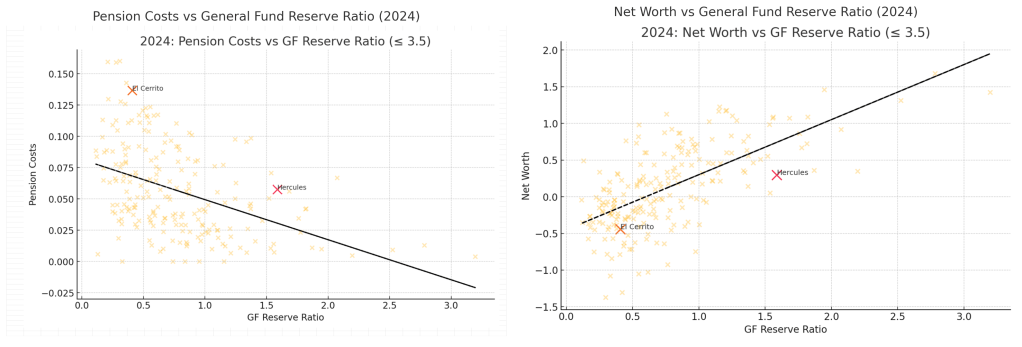
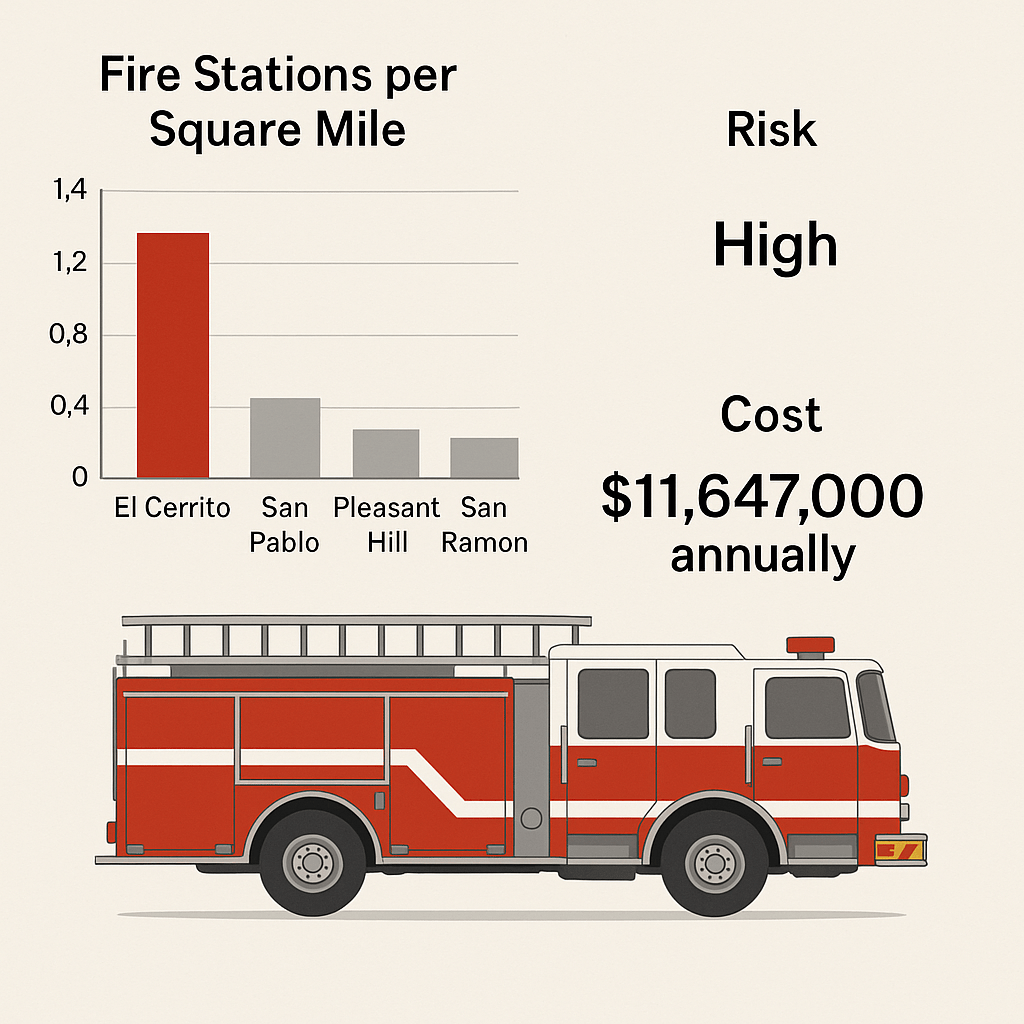



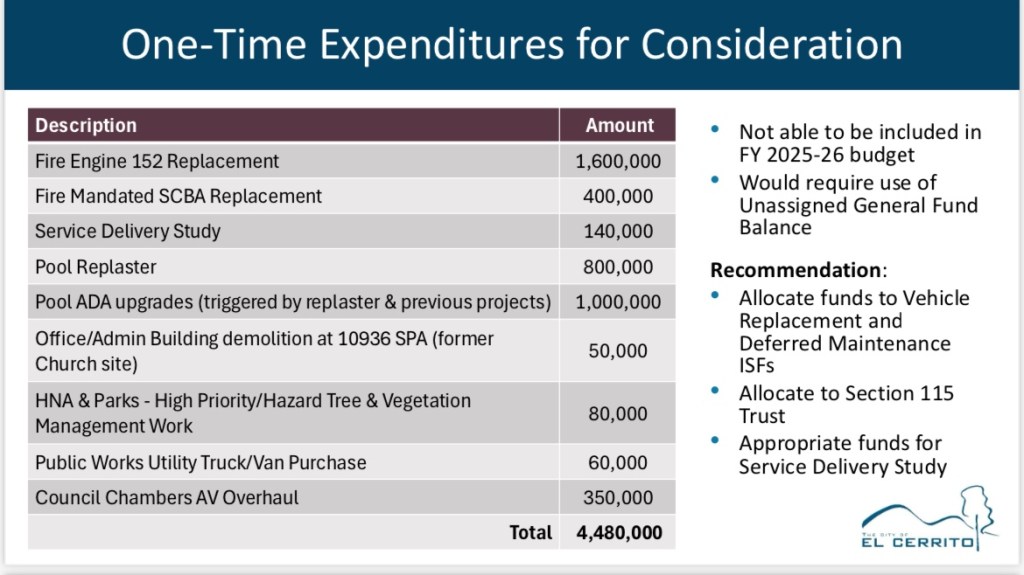


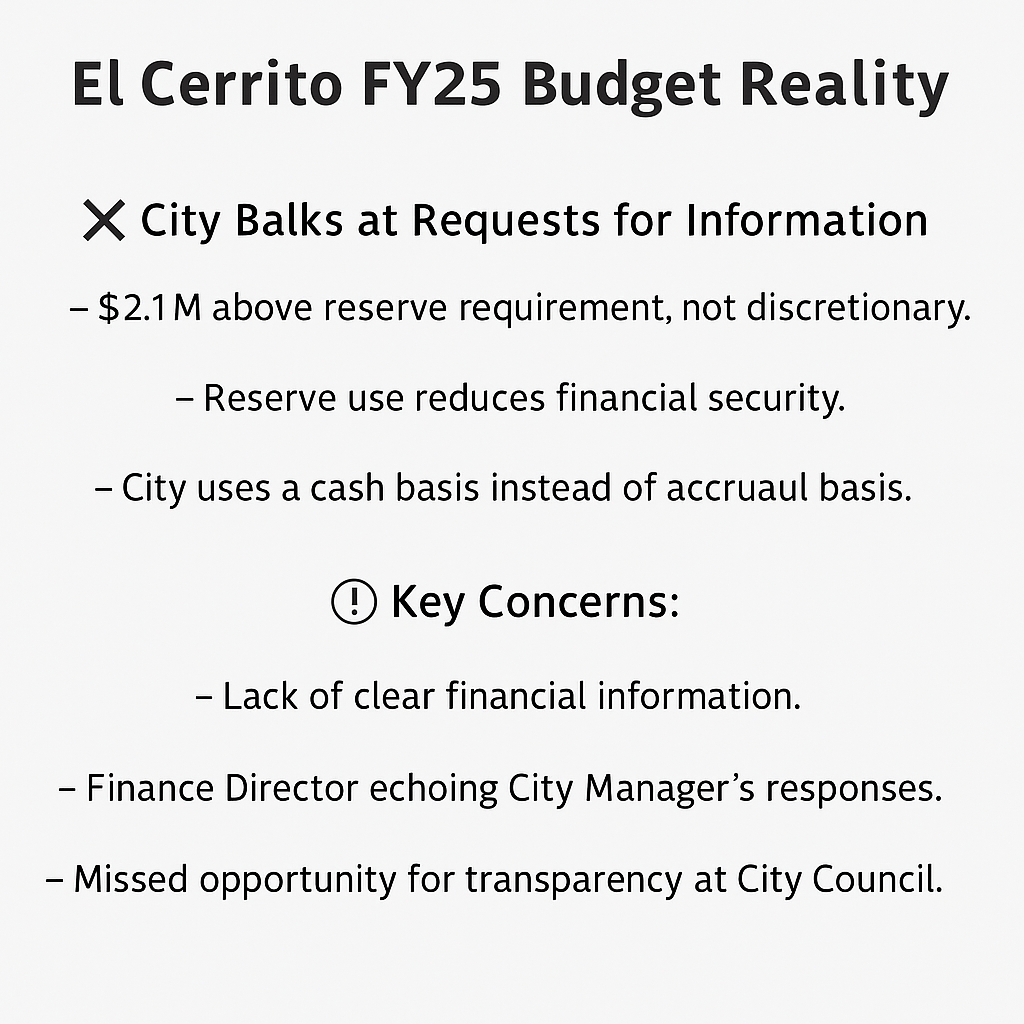


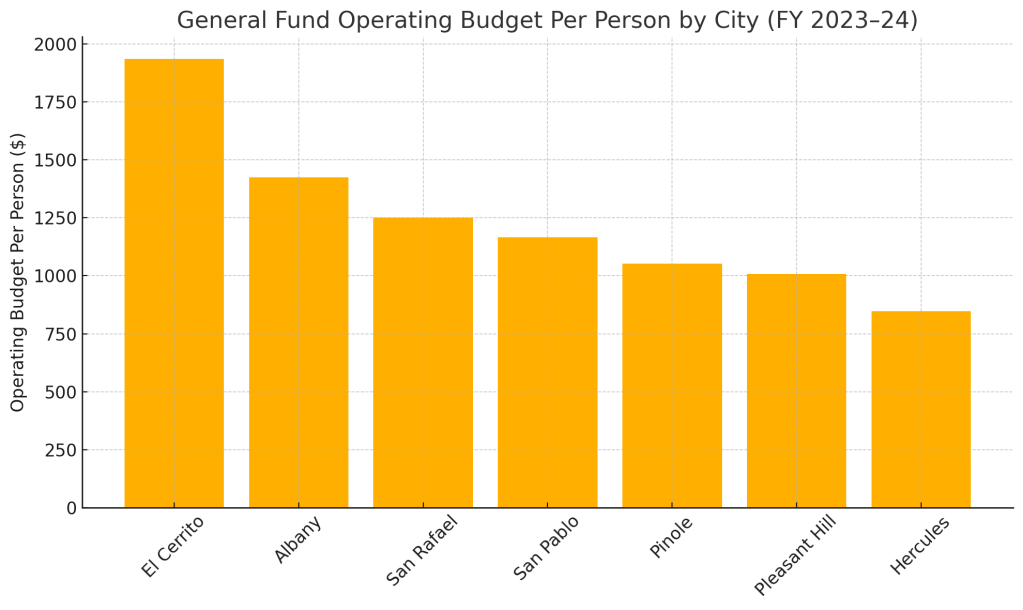
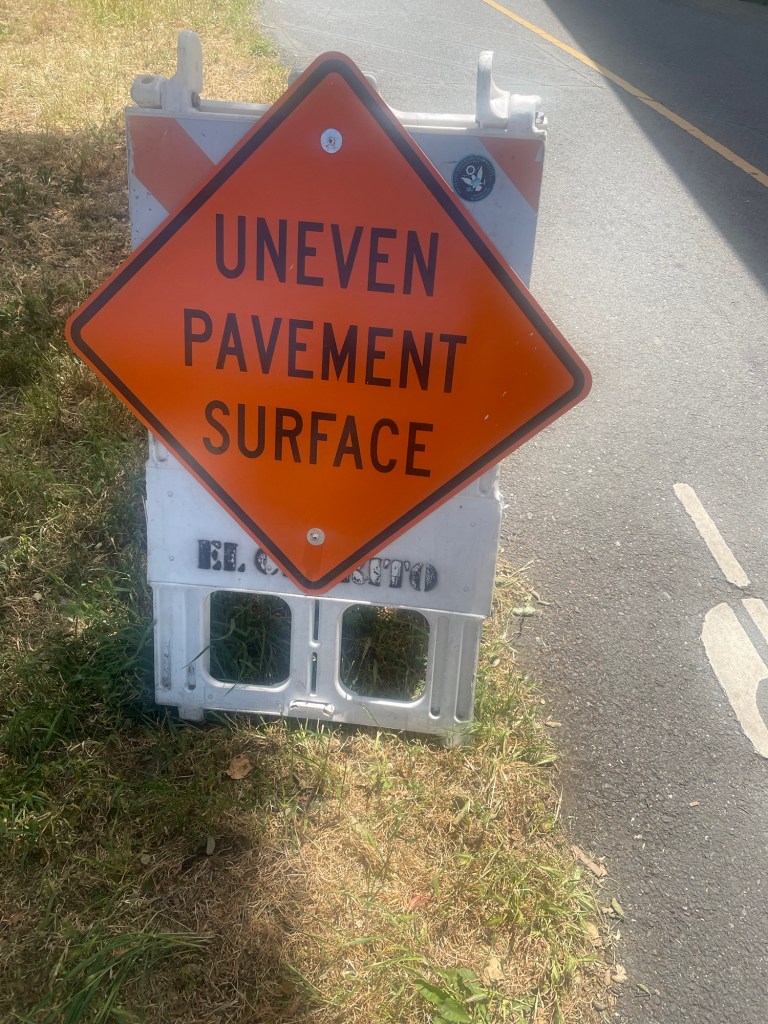




 El Cerrito Committee for Responsible Government (ECCRG)