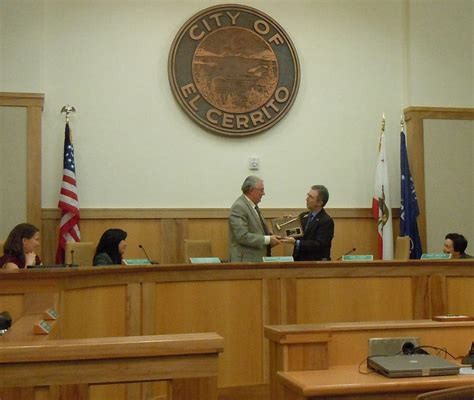
El Cerrito Deserves Better: Why It’s Time to Move On from Gabe Quinto

For more than a decade, Councilmember Gabe Quinto has sat on the El Cerrito City Council. With his visibility at community events and a polished public persona, he’s managed to remain in office. But when you peel back the layers, one fact becomes undeniable: he has done nothing to strengthen this city or to meet residents’ needs.

Instead of leadership, Quinto has given us optics. Instead of solutions, he has given us meaningless soundbites. And now, with another election on the horizon in November 2026, residents must ask themselves: has El Cerrito benefited in any meaningful way from his time on the council?

Deficit Budgets, Year After Year

The financial health of El Cerrito has been a recurring crisis. Our pension liability stands at $83 million. The city has leaned on reserves to cover shortfalls instead of fixing underlying problems.

Who pays the price? Residents. Families paying some of the highest property taxes in the region have watched their services shrink. Parents have fewer library hours for their children. Seniors have lost access to their center. Residents and contractors deal with city offices closed every other Friday.

And yet, through it all, Quinto has consistently voted for deficit budgets. Not once has he challenged the cycle of short-term fixes or pressed for real reform. His approach has been to avoid hard choices, leaving residents to shoulder the consequences.

Headlines Over Substance

If you’ve listened to Quinto in council meetings, you know the pattern. He talks about relationships, community spirit, or personal anecdotes. But when it comes time to address tough issues — from financial sustainability to accountability — his words stop short.

Residents don’t need empty headlines. They need solutions. They need a councilmember who will fight to restore services, reduce waste, and put residents’ needs ahead of political convenience. Instead, Quinto has chosen the easy role of visibility without responsibility.

Zero Impact for the Community

After all these years on the council, what has Quinto actually delivered? The answer is nothing of substance.

For seniors, his leadership allowed the closure of the senior center, stripping away a vital hub for health, social support, and community connection. For families, he’s stood by as library hours were reduced, cutting off access to resources for children, students, and lifelong learners. For small businesses, he’s offered no vision for creating a stable, supportive environment where local shops can thrive instead of struggling against higher tax costs and reduced city services.

He voted to eliminate parking on Richmond Street, impacting our neighbors who have one car garages, are seniors, disabled or have small children.

A true leader would have fought for these residents. Instead, Quinto has offered ceremonial remarks and little else. He has left no mark of meaningful leadership.

Campaign Contributions Without a Clear Agenda

Even outside the council chamber, Quinto’s record raises questions. A significant portion of his campaign contributions are directed toward other campaigns rather than building his own platform or vision for El Cerrito.

This may strengthen his political alliances, but it does nothing for residents who want clarity about his priorities. What is his plan for restoring services? For stabilizing finances? For reducing liabilities? The truth is, he doesn’t have one.

Gabe Quinto’s Record

Budgets: Voted for repeated deficits, deepening financial instability. Services: Library hours reduced, city offices closed biweekly, senior programs eliminated — never restored. Pensions: $89 million liability and growing. Impact on Residents: Seniors lost their center, families lost library access, businesses got no support.

Agenda: No plan of his own; contributions redirected to others’ campaigns.

November 2026: El Cerrito’s Chance for Change

Gabe Quinto’s current term ends in 2026, and he will be up for reelection in the November 2026 election. That election isn’t just about one seat — it’s about the kind of leadership we expect in El Cerrito.

Do we want councilmembers who show up for photo ops but fail to fight for services? Or do we want leaders who care about families, seniors, and businesses — and who will do the hard work of confronting financial realities?

We cannot afford another four years of deficit budgets, service cuts, and no solutions.

NEXT STEPS

In November 2026, El Cerrito residents will have a choice:

❌ Continue with deficit budgets and service cuts.

❌ Continue with leaders who offer visibility but no vision.

❌ Continue with Gabe Quinto.

Or:

✅ Vote for leadership with substance.

✅ Vote for leaders who care about families, seniors, and small businesses.

✅ Vote for accountability, reform, and results.

El Cerrito deserves better. In 2026, let’s make the change and vote Gabe Quinto out. Our city cannot afford another term of empty headlines.

El Cerrito’s Bond Upgrade: Progress, But Claiming Victory Far Too Early

El Cerrito’s leaders are eager to celebrate. Last month, the City announced an upgrade to its bond rating, which highlights its financial strength and responsible management. On the surface, that sounds like a success story—especially for a city that once ranked among the bottom 3% of California municipalities for fiscal health.

But peel the onion. The State Auditor’s office still places El Cerrito in the bottom 20% of over 400 California cities. Coming off the formal High-Risk Watch List does not mean El Cerrito is suddenly healthy—it only means others are in worse shape. Declaring victory now is misleading and premature.

Progress That Doesn’t Tell the Whole Story

Yes, El Cerrito has made progress. The City has strengthened financial reporting and shown slight improvements in reserves. But much of that progress was built on one-time infusions. The $6.2 million in federal American Rescue Plan Act (ARPA) funds temporarily padded the General Fund. Those dollars are now spent, and the City’s own projections show reserves dipping below policy thresholds by FY 26/27. That’s not fiscal discipline—it’s borrowed time.

The State Auditor evaluates liquidity, reserves, pension obligations, and long-term liabilities. On each of these, El Cerrito remains below average. The removal from the “high-risk” designation is a technical reprieve, not a clean bill of health. Residents should understand: being less harmful is not the same as being strong.

A Heavy Pension Burden

At the heart of El Cerrito’s challenge lies its pension liability, which exceeds $80 million. That liability reflects a decades-long pattern of carrying more staff—and more high-cost management positions—than peer cities of similar size.

El Cerrito employs four battalion chiefs in its Fire Department, along with a fire marshal and a Fire Chief. The City Manager’s Office includes a City Manager, an Assistant City Manager, and an Executive Assistant to the City Manager. For a city with just under 26,000 residents, this is an unusually top-heavy structure. Other California cities of comparable population operate leaner organizations with fewer layers of management. Every one of those positions carries salary, benefits, and pension obligations that compound over time.

Residents Pay More, While Services Shrink

Instead of tackling structural costs, El Cerrito has leaned on raising or extending taxes. The Real Property Transfer Tax (RPTT), adopted in 2018, was initially proposed as part of a temporary fix and has since become permanent. Sales tax “add-ons” have been renewed or extended, with discussions to make temporary hikes permanent. Parcel taxes have been proposed as an additional revenue stream.

Residents are shouldering higher taxes, but services haven’t improved. City Hall is closed every other Friday, and operates on a 37.5-hour workweek. Library hours have been reduced while an expensive new library is still being pursued. Street repairs are postponed, leaving potholes unaddressed. Parks and pools lag behind regional standards. Public safety equipment replacements have been delayed. More taxes, fewer services—this is not the hallmark of financial health.

The Bond Rating Spin

The City points to its September 2025 bond upgrade as proof of financial stability. But context matters. In the municipal bond market, most U.S. cities hold ratings in the AA category, with the strongest at AAA. El Cerrito’s A+ rating is a modest improvement but not exceptional. Pair that with the Auditor’s bottom-20% ranking, and the conclusion is clear: the City remains financially vulnerable.

Calling this an achievement worth celebrating is like cheering for moving from an F to a D. Yes, it’s technically progress. However, it’s still far from satisfactory, and it should not lull residents into a false sense of security.

📊 Fact Box: El Cerrito’s Financial Reality

City’s Claim:

  • Bond rating upgraded to A+
  • Off the State Auditor’s formal High-Risk Watch List

Reality Check:

  • Still in the bottom 20% of California cities for fiscal health
  • $80M+ unfunded pension liability weighing down future budgets
  • Reserves projected to fall below policy by FY 26/27
  • Services reduced: shorter library hours, City Hall closed every other Friday, deferred road and park maintenance
  • Residents are paying higher taxes while service quality declines

Claiming Victory Too Early

El Cerrito has made progress, but claiming victory now is far too early. Until leadership addresses structural issues—such as pension obligations, a top-heavy management structure, and the ongoing reliance on one-time dollars and perpetual taxes—the financial position remains precarious. Residents are asked to celebrate, while the fundamentals continue to deteriorate.

Residents Deserve Better

El Cerrito’s residents deserve a City that:

  • Reports honestly, including the Auditor’s risk scores, declining reserves, and pension liabilities.
  • Commits to real fiscal reform, not temporary patches or revenue gimmicks.
  • Restores services: longer library hours, regular street and infrastructure maintenance, upgraded parks and pools, and City Hall open five days a week.
  • Rebalances staffing by eliminating unnecessary, top-heavy positions that drive long-term costs.

Contact Your Leaders

📧 City Manager:
Karen Pinkos – kpinkos@el-cerrito.gov

📧 City Council:

📧 City Clerk (for distribution to all Councilmembers): cityclerk@ci.el-cerrito.ca.us

El Cerrito’s Childcare Dilemma: Safety, Vacancies, and City Priorities

El Cerrito is a city of just four square miles, yet the debate over childcare facilities reveals much about how our leaders balance community needs, safety, and fiscal priorities.

Recently, the El Cerrito Planning Commission approved a Conditional Use Permit to convert a single-family home at 556 Richmond Street (at Lincoln Avenue) into a childcare center for up to 18 children ages 2–5. On the surface, more childcare may seem like a welcome addition. But the reality tells a more troubling story.

Existing Facilities and Vacancies

El Cerrito already has licensed childcare facilities — at least two confirmed through the California Department of Social Services database — with additional providers in operation across the city. Yet multiple providers have acknowledged they have empty seats they cannot fill. If our city cannot support the childcare centers it already has, why are we approving more?

Safety Concerns Ignored

The proposed Richmond and Lincoln site is among the busiest and most dangerous intersections in El Cerrito. Longtime residents have reported frequent car accidents, speeding vehicles heading to El Cerrito High, and ongoing risks for pedestrians. Adding the daily drop-off and pick-up of 18 small children at this corner will only magnify those dangers.

What’s more, the new facility could take away parking spaces used by the existing childcare center at Lincoln and Everett. That center has developed an orderly, safe process for transfers — one that the new plan threatens to unravel. There’s more: the City unilaterally removed parking to “make the street safer,” but we know that their reasoning rarely passes the smell test.

📊 Fact Box: Childcare in El Cerrito

  • 2 licensed facilities confirmed (additional centers operate, but not all licensure verified)
  • Vacancies exist in current childcare centers — providers cannot fill all available seats
  • New proposal: 556 Richmond St. childcare center for up to 18 children ages 2–5
  • High-risk location: Busy, accident-prone intersection near El Cerrito High
  • History of being ignored: Hundreds of residents spoke against the Richmond Street bike plan — Council moved forward anyway

A Pattern of Misplaced Priorities

City leaders claim El Cerrito “needs more childcare.” But with providers already facing vacancies, that argument rings hollow. Once again, it appears that tax revenue is being prioritized over common sense and safety.

For years, residents have observed a consistent pattern: new taxes, declining services, and decisions made without transparency or accountability. Our voices are not being heard. The City Council didn’t listen when hundreds of residents directly impacted by the Richmond Street bike plan came forward to speak, and they are not listening now.

Time for Change

When leaders ignore the facts, dismiss safety concerns, and push forward with plans that prioritize revenue over residents, it’s clear that we cannot continue with business as usual. It’s time to consider new Council leadership and a new City Manager.

That means showing up, speaking out, and refusing to accept decisions that put children and neighborhoods at risk. It means organizing, appealing, voting for new leadership, and holding our leaders accountable.

What Residents Can Do

If you share these concerns, there are ways to make your voice heard:

Influenced by Community Voices

This blog is informed by the perspective of a longtime El Cerrito resident and concerned citizen who has seen firsthand both the vacancies at existing childcare centers and the dangers of the Richmond/Lincoln intersection. Their experiences underscore what is at stake: the safety of our children and the integrity of our community. While this resident raised serious concerns, they did not suggest ousting the current leadership — that conclusion rests with the broader community.

Rising Taxes and Falling Services

El Cerrito residents now pay among the highest tax rates in the region, yet services continue to lag and inefficiencies persist.

Now, as we transition our focus to the captivating concept of Fiscal Responsibility, we unravel the complexities and overlooked ramifications of self-governance gone awry. This edition of our blog sharpens its lens on a critical issue: El Cerrito’s reliance on excessive staffing, consultants, and—above all—new taxes to balance the books. Residents deserve transparency, accountability, and efficiency. Instead, they face the spiral of excessive spending and perpetual taxation.

El Cerrito is paying double the cost of Hercules, more taxes and fewer services:

El Cerrito’s Staffing Problem
Residents are increasingly concerned about how the city is managed, especially when compared to nearby Hercules. Despite being smaller in both area and population, El Cerrito employs more than twice the staff of Hercules. Yet fully staffed departments still lean heavily on costly consultants to perform fundamental tasks—charging residents double for the same service. This disconnect between staffing levels and results raises hard questions: Has El Cerrito ever truly right-sized its workforce? Why are residents paying for both employees and outside contractors while crime increases and services lag?

The Tax Spiral: 2008–Today
Since 2008, El Cerrito has repeatedly returned to voters with tax measures rather than implementing real reform:

  • 2008 – Measure A: A half-cent sales tax increase pitched as “temporary” to stabilize finances.
  • 2010 – Measure R: Another half-cent sales tax added just two years later, doubling the city’s special sales tax burden.
  • 2014 – Measure R (renewal): Extended and expanded the 2010 tax, making what was supposed to be temporary effectively permanent.
  • 2018 – Measure V: Converted the earlier taxes into a “forever” one-cent sales tax, locking El Cerrito into one of the highest combined sales tax rates in the Bay Area.
  • 2020 – Measure S: Extended the city’s utility users tax, adding further burden on residents’ monthly bills for electricity, gas, water, and telecommunications.
  • Proposed – $300 Parcel Tax: A new flat parcel tax on every property owner, escalating over time, with no sunset clause.

We are already overtaxed, yet services have declined. Over the same period, residents have watched as the city closed facilities on alternating Fridays, reduced recreation offerings, cut library and senior services, and failed to maintain basic infrastructure. Crime has escalated as well, with auto burglaries, thefts, and assaults climbing even as residents pay more each year. In short, the community is being asked to pay more for less.

Crime Rates – El Cerrito vs. Hercules

  • El Cerrito: Violent crime ~ 5 per 1,000; property crime ~ 40 per 1,000. That’s a combined rate of ~ 45 per 1,000 residents.
  • Hercules: Violent crime ~ 2 per 1,000; property crime ~ 7 per 1,000. Combined rate of ~ 9 per 1,000 residents.
  • Bottom Line: El Cerrito residents face a crime rate five times higher than Hercules, despite paying higher taxes.

Fully Staffed + Consultants = Inefficiency
Information Technology: Despite having a funded IT department, the city outsources essential functions, including infrastructure management, support, and even basic data security. Strategic planning and network management remain neglected.

Finance: The Finance Department struggles with budget preparation, transparency, and accuracy because the city spent residents’ dollars on a budget system that the city doesn’t utilize.

Outsourced financial analysis hasn’t been meaningfully integrated into city planning. Misrepresentations in reports—such as comparing annual budgets with quarterly figures—suggest either incompetence or an intent to mislead.

A Tale of Two Cities: Hercules vs. El Cerrito
In 2011, Hercules was on the brink of collapse. Through disciplined management, it rebounded—earning a 73.29 score from the State Auditor. El Cerrito, by contrast, languishes at 47.29 and firmly in the red zone. The difference? Governance and accountability.

Even more startling – Hercules has both a senior center and a state-of-the-art library, while El Cerrito insists the only way toward better services is through increased taxes.

While it’s true that the city’s financial health has improved in recent years, let’s not forget that El Cerrito is still among the highest-risk cities for bankruptcy in the state. More importantly, the city’s decline occurred during the city manager’s tenure as assistant city manager and since 2018 as city manager.

Just Not True
El Cerrito claims physical responsibility because of the new A bond rating. The truth is that El Cerrito remains in the bottom 20% of California cities. That’s still high risk and not good enough. El Cerrito must choose: continue burdening residents with escalating taxes while avoiding tough decisions about staffing and efficiency, or follow Hercules’ lead—embracing transparency, accountability, and right-sizing to deliver services without perpetual tax hikes. The cost of mediocrity is not just higher taxes. It’s poorer services, eroded trust, and a declining quality of life.

Your Voice Matters
What are your experiences with city services in El Cerrito? Have you felt the impact of higher taxes without better results? Share your story. Here’s how you can help: Share this post with other residents. Comment and add your perspective. Speak up at City Council meetings (note: public comment is now restricted to in-person attendees). Attend the Financial Advisory Board meetings in person, as they are no longer recorded. Post on Nextdoor or Reddit El Cerrito. Together, residents can demand a city government that respects both its people and their pocketbooks.

Contact info:

Mayor Carolyn Wysingercwysinger@ci.el-cerrito.ca.us

Don’t Be Misled

Supporters of the library tax are presenting a rosy picture. However, the details they leave out are significant. Here’s how their claims stack up against the facts:

Their ClaimThe Facts
“The library will have underground parking.”The underground parking is for the housing project—not library visitors. The library footprint will also consume 800 Plaza parking spaces. To control the loss, the City will impose 2-hour limits that hurt seniors, families, and community users.
“The Plaza Station site is the least costly option.”Residents will pay millions in taxes to build a library on land the city doesn’t own. The $1 lease sounds cheap, but it means taxpayers subsidize BART’s housing project while giving up ownership.
“The tax is capped at 17¢ per square foot and ends in 30 years.”That’s about $300 per year for the average household. Renters won’t escape it—landlords will pass it on. The tax covers construction and only the first ten years of operations. After that, another tax is almost certain. The 30-year cap runs long after the building may need major repairs.
“Citizen oversight will ensure accountability.”Oversight boards only see what staff provide. Past “fiscal reviews” didn’t stop the city from draining reserves or ignoring pension debt. The RPTT tax promised oversight too—yet no reports have been produced since 2018. Once voters approve this tax, control is gone.
“This is a limited-time opportunity we can’t miss.”The “now or never” pitch is pressure politics. The library is a political add-on to justify BART’s housing project. Rushing into a 30-year tax isn’t responsible—it’s reckless.

Reserves Inflated

The agent of the city, Greg Lyman, touts $20 million in reserves. However, he is famously known for omitting important details. It’s essential information. What he doesn’t tell you is that much of it is earmarked for significant emergency funding.

Bottom Line
This isn’t about whether El Cerrito deserves a library—it does. The real question is whether this tax measure is fair. With tighter parking, higher costs, no land ownership, and a history of broken oversight, residents deserve the truth—not spin.

Less than $13 million remains for unrestricted general fund reserves. He conveniently doesn’t mention the $83 million and funded pension liability, or that the city has habitually spent more expenses than revenue, and there’s no solution in place for depleting unrestricted reserves.

Off the Watch List, But Still Among the Riskiest Cities in California

The City is no longer on the State Auditor’s formal High-Risk Watch List, but it remains in the bottom 20% of more than 400 cities statewide. That’s nothing to celebrate.

After years of warnings, El Cerrito has improved its standing with the California State Auditor’s Office. Once ranked among the bottom 3% of cities for fiscal health and placed on the Auditor’s High-Risk Watch List, the City has climbed just enough to come off the list. On paper, that appears to be progress.

But let’s be clear: El Cerrito is still among the worst 20% of cities in California for financial health. Being “less bad” is not the same as being financially stable. Residents deserve better than bottom-tier management.

The State Auditor’s risk scores evaluate liquidity, reserves, pension obligations, and long-term liabilities. El Cerrito’s history of weak reserves, rising costs, and structural deficits continues to hold it back. Climbing off the formal watch list does not erase the underlying fragility — it simply means there are other cities in even worse shape.

The City points to reserves as proof of progress, but much of that cushion was built on one-time ARPA dollars. El Cerrito was allocated about $6.2 million in federal aid, quickly absorbed to cover overexpenditures. Now those funds are gone, and reserves are projected to fall below the City’s own policy by FY 26/27. That’s not fiscal stewardship — it’s a temporary patch.

Instead of discipline, the City has leaned on new revenue streams. The Real Property Transfer Tax (RPTT), adopted in 2018, is now a permanent fixture. Sales tax measures have been proposed to make “temporary” hikes permanent, and parcel taxes have been floated to backfill ongoing shortfalls. Residents are paying more while the City sidesteps deeper reform.

And yet, services continue to decline. City Hall is closed every other Friday while staff work a 37.5-hour week. Library hours have been reduced, limiting access while an expensive new library is being pursued. Street repairs are deferred, leaving potholes and uneven pavement. Parks and pools lag behind regional standards, and public safety equipment replacement has been delayed. More taxes, fewer services — this is not the mark of a healthy city.

The September 2025 City Manager’s report touted an upgraded bond rating as proof of fiscal strength. But the State Auditor’s broader assessment tells a different story. Most U.S. cities with S&P ratings sit comfortably in the AA range (AA+, AA, AA-), with fewer than 10% at AAA and only a small share down in the A category. El Cerrito’s A+ rating may sound respectable, but it’s not uncommon. This paired with a bottom-15% Auditor ranking, it signals persistent financial vulnerability.

Bottom 20% Is Not Good Enough

El Cerrito should not accept being “off the watch list” as success. Remaining in the bottom 15% means the City is still at significant risk of insolvency compared with peers across California. Until leadership delivers consistent, sustainable fiscal discipline — without leaning on one-time funds and forever taxes — residents remain at risk.

It’s time for honesty about the City’s condition, not selective storytelling.


Call to Action: Demand Realistic Reporting and a Real Plan

Residents must insist on more than high points. The City needs:

  • Realistic reporting that openly includes the State Auditor’s risk scores, declining reserves, and tax dependence.
  • A real plan for financial sustainability, not short-term patches.
  • Improved service delivery with clear commitments to restore what was cut: longer library hours, regular street maintenance, upgraded parks and pools, reliable public safety equipment, and City Hall open five days a week.

📧 City Manager:

📧 City Council:

📧 City Clerk (for distribution to all Councilmembers): cityclerk@ci.el-cerrito.ca.us

Suggested subject: “We Need Realistic Reporting and a Real Plan for El Cerrito”

Suggested message:
Hello Ms. Pinkos and Members of the City Council,
Residents deserve a complete picture of El Cerrito’s finances — not selective highlights. Please commit to realistic reporting that reflects the State Auditor’s risk rankings, the use of one-time ARPA funds, and reliance on the Real Property Transfer Tax. Just as important, provide a real plan for financial sustainability and improved service delivery. Restore the services that matter most: library hours, street maintenance, parks and pools, public safety equipment, and full City Hall access. Bond ratings are not enough — residents need transparency, accountability, and results.
Thank you.

El Cerrito’s Library and Senior Center Mirage

Behind the promises lies a project built on misrepresentation and political spin.

Greg Lyman has once again reappeared in El Cerrito politics, this time working alongside the City of El Cerrito, the Contra Costa County (CCC) Library system, CCC Supervisor John Gioia, and developer Halladay—the lead partner on the Transit-Oriented Development (TOD) project known as C West. Together, they are selling voters a package built on misrepresentation. And their target audience? Seniors.

It’s beyond cynical. Enticing older residents with false promises of a new “senior center” while glossing over the inconvenient truths about who controls the library, what the City’s actual responsibilities are, and what this project will really deliver. Lyman even had the audacity to make his pitch at the Eskaton Senior Center on San Pablo—armed with slick presentations and plenty of statements he has no authority to make.

The reality is that the City of El Cerrito does not operate the library. That authority lies entirely with the Contra Costa County Library system, which staffs, funds, and manages 26 branches across the county. Each branch is guaranteed 40 staffed hours per week, financed by the countywide ad valorem secured property tax. The City’s role is limited to providing a building and maintaining it. Full stop.

Here are the facts. Contra Costa County Library operates 26 branches, guarantees 40 staffed hours per branch funded by county property taxes, selects and manages all book collections, does not accept local donations of money or books, and controls staffing, operations, and policy. The City of El Cerrito provides the building, maintains the facility, and may choose to fund extra operating hours—nothing more.

The CCC library system is intentionally egalitarian. Wealthier communities like Lafayette or Orinda cannot pour in donations of money or books, because that would create inequities across the system. Collections are curated by county library specialists, catalogued, and shared across all branches. Any talk of local fundraising or in-kind donations for the El Cerrito branch is misleading and simply not how the system works.

The only financial contribution the City can make is to pay for additional hours of operation. Anything beyond the guaranteed 40 hours must come from El Cerrito’s already overextended general fund. That fact alone should temper the City’s ambitious promises, but instead the narrative keeps growing bolder.

Then there’s the building question. The current El Cerrito branch occupies 6,400 square feet leased from the City. The C West project proposes a 20,000 square-foot library space, but no one has explained whether CCC will lease all of it, part of it, or the same square footage it leases today. If CCC takes the full 20,000 square feet, then the “senior center” so heavily marketed to older residents vanishes, because the space would be controlled by the County Library and open only during library hours. If CCC leases only part of the space, who pays for the rest? The unanswered questions pile up.

Even if the City tried to carve out space for senior or community programs, the logistics are daunting. A functioning community center requires separate entrances and exits from both the library and the 100-plus residents who will live in the affordable housing units above it. That means added design costs, security needs, and operational expenses that the City has never publicly accounted for.

And yet, Greg Lyman continues to make sweeping statements as if he speaks with authority. He doesn’t. Every serious presentation about the C West project and the so-called new library or senior center should include people who actually hold decision-making power: a City Council member, the County Librarian, CCC Supervisor John Gioia, and Halladay, the developer and future condominium co-owner. Anything less is political theater designed to mislead. And given Lyman’s track record of half-truths and omissions—most notably during the city’s past financial crises—residents should ask the obvious question: why should we trust Greg Lyman now?

The bottom line is that the Contra Costa County Library system is not for sale, not for manipulation, and not a political tool for the City of El Cerrito. Seniors deserve honesty, not empty promises. Voters deserve transparency, not bait-and-switch tactics. If El Cerrito truly wants to provide a senior center, it should be upfront about the costs, the location, and the operations—not hide behind a developer-led project and a former mayor’s political gamesmanship.

Behind the promises lies a project built on misrepresentation and political spin.

Don’t trust Lyman with your future. Vote no on the new library initiative. Meanwhile, don’t sign his petition, it’s misleading and just plain wrong.

Bond Ratings Up, But Paid For With Your Taxes and One-Time Funds

Federal relief dollars, new taxes, and emergency fund raids aren’t financial stewardship — they’re passing the buck.

In the September 2025 City Manager’s report, El Cerrito highlighted what it framed as good news: S&P Global Ratings raised the City’s bond ratings to A+ and A-, with a positive outlook for future upgrades. This was presented as a validation of stronger financial policies and fiscal sustainability.

However, while the headlines sound promising, the report omits critical details.

A Surplus Built on Federal Aid and New Taxes

The reported $1.6 million “surplus” is not the result of careful stewardship—it came after the City reduced the emergency fund to cover overexpenditures, using money meant for true crises to plug holes in the operating budget.

What’s more, much of the reserves the City points to came from one-time ARPA funds. El Cerrito was allocated about $6.2 million in federal relief, with the first tranche—roughly $3.1 million—received in FY 2020-21. Those dollars were meant to stabilize during the pandemic, but here they’ve been used to cover ongoing overspending.

On top of that, the City’s financial coffers were bolstered by yet another tax—the real property transfer tax—which began in 2018. Rather than demonstrating financial savvy, this is simply passing the buck to taxpayers to solve the City’s own mismanagement.

So essentially ALL of the unrestricted general fund balance was achieved, not by financial discipline but on the backs of others. Looking ahead, Uncle Joe won’t bail us out, and the RPTT isn’t likely to increase revenue soon. It’s time for the city council to walk the talk and become financially healthy by reducing expenses and not relying on taxpayers to bail them out -again.

Reserves Already Projected to Slip Below Policy

The September 2025 report also notes that the City’s reserves, celebrated as healthy today, are expected to fall below the City’s own minimum policy threshold by FY 26/27. That means the financial cushion they keep pointing to is shrinking fast, and future budgets will start from a weaker position.

Kicking Bills Into the Next Year

Adding to the concern, the City Manager has already acknowledged that expenses not paid last year will need to be addressed this year. That means the “surplus” story is even thinner—the City is deferring costs while claiming progress.

A House of Cards Budget

Taken together, this approach begins to resemble a house of cards: propping up today’s numbers with one-time federal dollars, deferred expenses, and new taxes, while presenting a picture of financial health that doesn’t match reality.

Even the bond rating itself reflects data from months ago—before the most recent financial moves. Since then, the City has drawn on funds that weaken the very financial cushion that made those ratings possible. Celebrating outdated metrics without acknowledging today’s reality risks misleading the public about the City’s actual fiscal condition.

What’s Missing: Services for Residents

Even more troubling, the September 2025 report says little about how these supposed “fiscal wins” translate into services that matter: safer streets, better parks, senior programs, or a library residents can count on. Metrics are important, but they don’t improve lives on their own.

_________________________________________________

Tell the City to Share the Whole Story

El Cerrito residents deserve the whole picture — not just the high points. A bond rating upgrade may look good on paper, but it doesn’t erase the reality of emergency-fund use, deferred expenses, and reliance on one-time federal dollars and new taxes.

It’s time for transparency. Write to the City Manager and demand that future reports tell the full story — not just the highlights. Ask her to explain clearly:

  • How much of the “surplus” came from one-time funds (e.g., ARPA).
  • Why was the emergency fund used to cover overexpenditures?
  • What services residents can actually expect in return for the taxes they pay.

And don’t stop there. Share your concerns with the City Council — they are accountable to you.

📧 City Manager Karen Pinkos (direct): kpinkos@el-cerrito.gov
📧 City Manager’s Office (general): citymanager@el-cerrito.gov
📧 City Council (via City Clerk for distribution): cityclerk@ci.el-cerrito.ca.us

Suggested subject: “Please report the full fiscal picture — not just bond ratings”

Suggested message:


Hello Ms. Pinkos and City Council,


Thank you for the September 2025 report. Please provide residents with a complete and current fiscal picture, including:


• how much of the FY surplus came from one-time funds (e.g., ARPA),
• any use of the emergency fund to cover over-expenditures,
• deferred expenses being carried into this year, and
• how these choices will affect services residents rely on (streets, parks, seniors, library).

Bond ratings matter, but residents need transparency about today’s numbers and service impacts.

Thank you.

The Mindset Behind El Cerrito’s Finances

Stanford psychologist Carol Dweck, in her landmark book Mindset: The New Psychology of Success, explains why some people and organizations adapt and thrive while others stagnate. Her research on fixed vs. growth mindsets offers a powerful lens for understanding El Cerrito’s current leadership.

A fixed mindset avoids mistakes, resists accountability, and clings to appearances. That’s exactly how El Cerrito’s City Manager and most of the Council approach fiscal responsibility. Faced with ballooning pension liabilities, service cuts that have never been restored, and overreliance on one-time reserves, they look away. Instead of confronting the hard truths, they highlight scripted “successes” while avoiding transparency about trade-offs and sustainability.

A growth mindset, by contrast, acknowledges problems, learns from them, and adapts. That’s the example Councilmember William Ktsanes has set—asking difficult questions, pressing for fiscal clarity, and refusing to accept business as usual. It’s not about blame; it’s about building a stronger future.

If El Cerrito is going to move forward, we need more leaders with a growth mindset. Leaders willing to admit mistakes, learn from them, and commit to long-term solutions. Until then, we will remain stuck in the same cycle of denial and deficit. The city’s future depends on choosing growth over fixed thinking—starting with who we elect to lead us.

⚠️ Reality Check: Credit Rating Up, Services Down

$89 million in unfunded pension liabilities. Essential services cut: senior center closed, library hours reduced, city offices shuttered every other Friday Higher staffing per capita than many neighboring cities—yet service delivery still falls short. The bond rating improved, but residents see fewer services, not more General fund reserves diverted to cover deficits instead of protecting public services

That’s the cost of fixed-mindset leadership.

🚢 El Cerrito’s Library Tax: Boarding the Titanic Again

The Committee for a Plaza Station Library wants your support—and your money. But before you sign their petition or vote to raise your taxes, here’s what you should know.

Who’s Really Behind This?

This campaign may feature Greg Lyman and a few “concerned citizens,” but make no mistake—El Cerrito’s leadership is pulling the strings. City Hall knows it cannot legally promote a political initiative, so it hides behind Lyman, using his name as cover while staying just out of sight.

Mayor Carolyn Wysinger, Mayor Pro Tem Gabe Quinto, Councilmember Lisa Motoyama, and Councilmember Rebecca Saltzman have all thrown their weight behind the library tax. Instead of taking ownership, they’ve let Lyman act as the face of the campaign to keep the city’s fingerprints off the petition drive.

Greg Lyman’s Record: State Scrutiny and Fiscal Despair

Greg Lyman, former El Cerrito councilmember, is the campaign treasurer and co-chair of the library tax initiative. His name is familiar to anyone who’s tracked El Cerrito’s financial unraveling.

The reality:

When Lyman was first elected in 2008, El Cerrito had an AA- bond rating By the time he left in 2016, the city’s rating had dropped to BBB-—just above junk status In 2020, the State Auditor listed El Cerrito among the 10 most fiscally distressed cities in California

That’s not a coincidence. Lyman voted for every major budget, supported tax increases in 2008, 2010, 2014, and 2018, and was at the table when the El Cerrito Senior Center was shuttered. He also served as treasurer for the Measure G scare campaign, which pushed yet another long-term tax under the guise of fiscal survival. Now he’s back, pushing a new long-term parcel tax—$300 per year or more, with no firm project budget, no cap, and no sunset clause.

Enter Gary Pokorny—Again

According to an email sent by the grassroots committee behind the library campaign, former City Manager Gary Pokorny will supervise fundraising efforts. He also contributed $450 to the campaign last quarter. Like Lyman, he was part of the leadership team that helped drive El Cerrito into state scrutiny and fiscal despair.

Even though Pokorny retired with over 35 years of public service, his LinkedIn profile omits his tenure in El Cerrito—a telling omission. If leading El Cerrito had been a professional highlight, wouldn’t it be listed?

Wysinger, Quinto, Motoyama, and Saltzman: The Current Crew at the Helm

Mayor Carolyn Wysinger, Mayor Pro Tem Gabe Quinto, Councilmember Lisa Motoyama, and Councilmember Rebecca Saltzman have all lined up behind the Plaza Station Library campaign. Instead of confronting the city’s ballooning pension liabilities, depleted reserves, and history of overspending, they’ve embraced the same tax-and-spend mindset that nearly bankrupted the city.

Saltzman’s record goes beyond El Cerrito. As a BART Board member, she backed budgets and policies that drove the transit agency to the edge of a financial cliff—with plunging ridership, structural deficits, and a growing dependence on taxpayer bailouts. Now she’s applying the same approach to El Cerrito, pushing another blank-check tax without accountability.

This isn’t just déjà vu—it’s a dangerous parallel. Following Saltzman’s lead means repeating BART’s collapse at the city level. The iceberg is already visible, yet the council insists residents climb aboard anyway.

This council has:

Balanced budgets with one-time fixes, draining reserves instead of reforming spending Ignored repeated warnings from the Financial Advisory Board and State Auditor Spent more than $100,000 on polling to test new tax measures, rather than investing in core services Continued pushing new taxes while essentials like the Senior Center remain shuttered

Backing this leadership isn’t just misplaced trust—it’s climbing back on the Titanic with the same crew that already hit the iceberg.

City Attorney Sky Woodruff’s Misleading Drafting

The lack of transparency extends to City Attorney Sky Woodruff, who drafted the official summary of the proposed library tax. That summary was supposed to neutrally inform voters—but it was riddled with misleading claims, including:

Inflated statements about library use, Promises of emergency shelter use with no requirements, Assertions that funds couldn’t be used for salaries—when they can

Only after a pre-litigation demand letter was issued were seven false and misleading statements removed from the summary. Residents shouldn’t have to fight their own city for basic honesty. This was another warning flare—and yet the same leadership asks you to sail along with them.

It’s Not About Libraries—It’s About Survival

El Cerrito already has a functioning library, run by Contra Costa County, where El Cerrito owns the building and could improve it without new local taxes.

The current proposal calls for a multimillion-dollar facility on BART property that would:

Eliminate parking at El Cerrito Plaza Push traffic into nearby neighborhoods Duplicate digital services that students already receive through WCCUSD.

And the price tag? A perpetual parcel tax with:

No project cost limit, no expiration date, no enforceable financial oversight.

Greg Lyman, acting as the city’s agent, touts El Cerrito’s $20 million in reserves. What he leaves out is just as important as what he says. Most of those funds are already committed—set aside for emergency needs and the Section 115 trust. In reality, less than $10 million is available to cover the city’s ongoing deficit spending. He also fails to acknowledge the city’s growing pension obligations, including a staggering $90 million in unfunded liabilities.

This isn’t just about trust—it’s about survival. Supporting this initiative is like climbing aboard a sinking ship and handing the same crew a blank check to steer again.

Before You Sign or Vote—Ask:

Why should we trust the same officials who oversaw El Cerrito’s financial collapse? Why is this tax uncapped, unmonitored, and unlimited? Why now—when essential services remain unfunded?

El Cerrito doesn’t need another expensive promise. It requires fiscal discipline, real priorities, and leadership we can trust.

Don’t board the Titanic. Say no to blank checks—and yes to responsible government.

El Cerrito Needs An Overhaul—Not Cosmetic Fixes

El Cerrito’s problems run far deeper than budget shortfalls and service delays. They are systemic—rooted in a culture of poor financial stewardship, opaque decision-making, and an entrenched unwillingness to hold leadership accountable. These challenges cannot be resolved by tinkering at the margins or by trusting the same people who created them to suddenly reverse course.


For years, the city has relied on unsustainable financial practices—draining reserves, deferring maintenance, and avoiding the structural changes needed for cost containment to achieve stability. Operating costs continue to rise without a clear long-term funding plan. Capital projects like pool upgrades are launched with no credible strategy to pay for ongoing expenses. The city’s financial “fixes” have been little more than short-term plugs that leave us weaker in the long run.

The bond rating is up but that’s based on FY24-25 reserves which have been reduced by 20% since then.

Operational inefficiencies are baked into the system. Departments often work in silos, duplicating efforts rather than coordinating for maximum impact. The city clerk ignores transparency and decides which records people receive. Critical services limp along without adequate planning or performance tracking. While residents face service cuts and tax hikes, the city’s process for setting priorities remains disconnected from actual community needs.


Transparency is equally lacking. Public input is often sought only after decisions are effectively made. Council meetings meet the minimum legal notice requirements, but the spirit of open government—genuine dialogue and early engagement—is absent. Too often, important issues are buried in lengthy agendas or framed in ways that obscure their true implications.
Accountability is virtually nonexistent. When mistakes are made—whether in financial projections, project management, or policy execution—there are no meaningful consequences. The same leadership remains in place, recycling the same talking points and hoping residents will accept “we’re working on it” as a plan.


This cycle will not break on its own. The same councilmembers and city manager who presided over these failures cannot credibly be tasked with fixing them.

What We Need Going Forward:

  • Financial reform that prioritizes sustainable budgeting, realistic projections, and disciplined reserve policies.
  • Operational overhaul to eliminate inefficiency, measure results, and tie resources directly to outcomes that matter to residents.
  • True transparency where information is shared early, completely, and in plain language—not just to check a legal box.
  • Real accountability where leaders are held responsible for their actions, and change follows when performance continually fails. These changes require a new City Council and a new City Manager—leaders with the independence, skill, and will to rebuild trust from the ground up. El Cerrito’s future depends on more than promises and patchwork fixes. It demands a clean break from the past and the courage to start fresh.

BOTTOM LINE: The city’s systemic problems cannot be solved by the same council members and city manager who created them. Many residents considered a recall, but the city can get three new council members in November 2026 when we vote. New leadership is essential to restore fiscal health, operational efficiency, and public trust.

Libraries are good. This plan isn’t.

El Cerrito deserves a great library—but not at the wrong price. The City’s plan locks residents into $75M+ in new taxes for a ground-floor space in a BART housing project that the City won’t even own.

We need a better plan—one that gives El Cerrito a true library, not just another forever tax.

👉 If you share these concerns, please review the petition, add your signature, and show your support: No On Another Forever Tax

Note:

This post taken directly from social media as it succinctly states our position.

Grasping at Straws

Proponents of the massive and costly library are grasping at straws.

Some community members and leaders in El Cerrito argue that our city’s library is underused because it is “too old.” The implication is that if only we spent $75 million or more on a massive and costly new facility, people would suddenly flock back in. But the facts tell a very different story.

The National Trend: Declining Library Usage

This is not an El Cerrito issue—it’s a U.S. issue. Over the past decade, library visits nationwide have dropped by nearly half (49.1%) according to data reported in Publishers Weekly. That decline spans across every type of community, from large cities to smaller towns.

New York: Visits down 47% since 2012 Los Angeles: Visits down 74% San Francisco: Visits down 65% Chicago: Visits down 66% Miami: Visits down 52% Philadelphia: Visits down 72%

These numbers make clear: declining foot traffic is not about the age of a building. It’s a broader shift in how people access information, entertainment, and services.

Shrinking Print Collections

The Institute of Museum and Library Services (IMLS) also reports a steady decline in print collections. In 2022, U.S. libraries held 162 million fewer print books than they did in 2010—a drop of nearly 20%. Libraries are shifting to digital, streaming, and community services, not expanding shelves of physical books.

Why the “Old Library” Argument Fails

Proponents of the massive and costly El Cerrito library want residents to believe that usage is declining because our building is outdated. The evidence shows otherwise. A shiny new facility won’t reverse a national, decade-long decline in library visits.

What it will do is commit taxpayers to a forever tax of $300+ per parcel per year—at a time when many residents, especially seniors, are already struggling with housing and living costs.

A Smarter Approach

Instead of sinking $75 million (and likely much more) into a massive and costly project that won’t solve the real problem, El Cerrito should focus on:

Expanding digital resources that meet residents where they are, offering community programs tailored to today’s needs, ensuring libraries are accessible and functional, not oversized monuments.

The Bottom Line

El Cerrito’s declining library usage is not a reflection of its age. It’s part of a nationwide trend. Proponents of a massive and costly new library are grasping at straws, trying to justify a project that would burden residents for decades without addressing the real issue: how people actually use libraries in the 21st century.

Rebecca Saltzman Should Recuse Herself from the Plaza BART TOD

El Cerrito is facing one of the most consequential projects in its history: the redevelopment of the El Cerrito Plaza BART station. The plan calls for six new buildings, nearly 750 homes (many of them affordable), retail space, and a public plaza that could eventually include a library. It will reshape traffic, parking, and community life for decades.

For a project this significant, residents deserve a fair, transparent process. Yet fairness is in doubt, because Councilmember Rebecca Saltzman continues to participate in—and vote on—the very project she helped launch as a member of the BART Board.

A History Too Close to Ignore

Saltzman served on the BART Board for more than a decade, including two terms as Board President. In November 2020, during her tenure, BART selected the development team for El Cerrito Plaza TOD. She remained on the BART Board until 2024, drawing compensation from the very agency advancing this project.

She didn’t run for BART BOD, citing outside commitments to family and work.

Only months later, Saltzman was sworn in as an El Cerrito City Councilmember.

And in May 2025, she cast her first vote in support of the Plaza TOD—publicly celebrating her role in moving the project forward. That moment underscores the conflict: Saltzman is no longer simply weighing a project before the City as a neutral Councilmember. She is continuing work she began as a BART Director, effectively sitting on both sides of the table.

When an elected official helps launch a project in one role and then votes on its implementation in another, the line between impartial judgment and personal legacy becomes blurred. This is exactly the type of situation recusal rules are meant to prevent, because even if no law is technically broken, the appearance of bias erodes public trust.

This isn’t just a coincidence of timing. It is a direct continuation of her past work at BART, now carried into her new seat on City Council.

Council’s Role in TOD

Supporters sometimes argue that the City has little say under state law and BART’s control. But that’s not true. Even after AB 2923 streamlined zoning, the City still makes critical decisions:

Parking and Traffic: The project will reduce hundreds of surface parking spaces, replacing them with a paid garage and new on-street parking management run by the City.

Affordable Housing: In March 2023, the Council approved the first 70-unit affordable building. More decisions will shape how affordability is prioritized in later phases. Infrastructure and Amenities: The City is weighing its role in funding improvements, including whether a new library is integrated into the TOD site. Public Process: Planning Commission and Design Review Board meetings throughout 2023–24 examined building height, circulation, and design—issues that feed directly into Council oversight. Saltzman’s votes and voice influence all of these matters.

The Ethical Problem

California’s Political Reform Act says officials must recuse themselves if they’ve received more than $500 in income from an involved party in the last 12 months. Saltzman’s BART compensation in 2024 fits squarely within that rule.

But this is bigger than compliance. It’s about what’s right. Saltzman is trying to finish something she started on another board. That’s not impartial decision-making—it’s carrying BART’s agenda into El Cerrito’s council chambers.

Even if every decision she makes were technically legal, the appearance of bias is unavoidable. And once residents believe the process is rigged, public trust is gone.

What the Community Should Do

Residents should insist on integrity. Here are practical steps to take:

Email the Council — Tell them Saltzman must recuse herself from all Plaza TOD items and that the rest of the Council should uphold that standard.

Mayor Carolyn Wysinger — cwysinger@ci.el-cerrito.ca.us

Mayor Pro Tem Gabe Quinto — gquinto@ci.el-cerrito.ca.us Councilmember

Lisa Motoyama — lmotoyama@ci.el-cerrito.ca.us Councilmember

William Ktsanes — wktsanes@ci.el-cerrito.ca.us Councilmember

Rebecca Saltzman — rsaltzman@ci.el-cerrito.ca.us

City Clerk (for the official record) — cityclerk@ci.el-cerrito.ca.us Subject line suggestion: “Please ensure recusal on El Cerrito Plaza BART TOD items.”

Key points to include: Saltzman launched the Plaza TOD at BART and is now voting on it as a Councilmember. Recusal protects public trust—she should leave the dais and abstain from all TOD discussions and votes. The Council must affirm on the record that TOD decisions will proceed without conflicted participation. Request a written acknowledgment of recusal — Ask the City Clerk to document Saltzman’s recusal in meeting agendas and minutes when Plaza TOD items appear.

Submit public comments — Whether in person or by email, let the Council know before TOD items are discussed. Written comments sent to the Clerk are included in the public record.

The El Cerrito Plaza TOD will help define our city’s future – good or bad. But it should be decided by leaders who come to the table without recent entanglements, not by someone finishing a project she began at BART.

For the sake of transparency, accountability, and public trust, Councilmember Rebecca Saltzman must recuse herself from all TOD-related discussions and decisions.

And the community must make its voice heard—directly to City Hall—so the integrity of this process is protected.

El Cerrito: Services Down

El Cerrito’s leaders are celebrating a credit rating upgrade to A-, the same level the city held back in 2019. On paper, this looks like progress. But behind the headlines, residents should ask a harder question: how is the city really managing the money entrusted to it?

Over the years, El Cerrito has consistently taken revenues intended for public services and instead funneled them into the general fund to patch deficits and build reserves.

Promises Made, Promises Broken

When the Real Property Transfer Tax was put before voters, it was pitched as a way to fund essential services like the senior center. But after the tax began generating far more than the projected $2.7 million annually, city leaders permanently closed the senior center. The money never went where it was promised.

Similarly, the city received $6.1 million in federal ARPA relief—funds meant to help residents and small businesses survive the pandemic. Instead, the city used that money for employee compensation.

Rising Revenues, Declining Services

Tax revenues have soared in recent years. Millions more flow into city coffers every year through property and sales taxes. Yet residents have seen services cut back:

City employees now work 37.5 hours a week instead of 40, and city offices are closed every other Friday. Library hours have been cut, reducing community access. The senior center was permanently closed, despite earlier promises. The city has no plan to pay down the $89 million CalPERS pension liability. No plan for a fire station, EMS equipment, or a swimming pool. No funding to restore the Ohlone Greenway or reverse the decline in the city’s pavement index (down from 85 to 68). And despite having one of the highest staffing levels per capita in the region, the city still fails to deliver the basic services residents expect.

In other words, the numbers look strong for Wall Street, but the reality is falling apart for El Cerrito residents.

A Question of Priorities

While services wither, senior management received raises worth well over $1 million in present value. The city manager’s contract was extended for five years, with council members lining up to praise her as tax hikes and service cuts continued.

Community Services

Senior center permanently closed Library hours reduced City offices closed every other Friday Shorter work week for city employees Pavement index declined from 85 to 68 No funding plan for pensions, fire station, EMS, or pool High staffing levels per capita but poor service delivery

El Cerrito doesn’t just need a better bond rating. It needs leadership that puts residents first. We need a City Council and city manager who care about restoring libraries- without tax hikes, senior services, and community infrastructure—not just building reserves and rewarding executives.

Follow-Up: Borrowing Power or Just a Headline?

El Cerrito’s bond upgrade is being touted as proof the City is on solid financial footing. But let’s be honest—this is more about headlines than reality.

A concerned citizen recently remarked that for years, El Cerrito couldn’t borrow for a hamburger today and pay tomorrow—the City was in such poor financial shape that no one would have touched its debt. It’s a sharp way to put it, and it’s true.

So while the recent upgrade looks nice on paper, it doesn’t erase the fact that El Cerrito has spent years digging out from mismanagement. The idea that the City suddenly has boundless borrowing power is a joke. No one should make too much of it.

If leadership wants to prove the City is truly back on stable ground, it will take more than a press release. It will require consistent discipline, honest conversations about lingering challenges, and rebuilding trust with residents who remember just how dire things were not long ago.

Micro-Blog: A concerned citizen said it best—El Cerrito couldn’t borrow for a hamburger today and pay tomorrow. The debt was toxic, and no one would buy it. A bond upgrade may sound good, but it doesn’t erase years of mismanagement. Real credibility comes from discipline, not headlines.

Editorial: What’s Missing from the Narratives

The City of El Cerrito just announced an upgrade in its bond ratings—a real improvement worth acknowledging. Mayor Carolyn Wysinger released a statement praising the City’s financial progress, saying she was proud of the hard work that’s gone into strengthening reserves and building stability.

But here’s what stands out: while Mayor Wysinger has spoken just a few times about finances, those comments have only come in carefully prepared statements. She’s never addressed the city’s financial challenges. And during the most troubling times—when deficits mounted, reserves were drained, services were cut, and the senior center was closed—she never pressed the City Manager with the tough questions that residents wanted answered.

Those cuts have never been fully restored, yet leadership speaks only of progress, never of what was lost.

Why It Matters

Leadership on financial issues isn’t about showing up for polished announcements—it’s about being present and engaged when the numbers are discussed, the tradeoffs are debated, and the tough questions need to be asked. Residents deserve leaders who acknowledge both the progress and the problems, not just the success stories.

The Bottom Line

Yes, El Cerrito’s bond upgrade is good news. But it’s only part of the financial picture. Residents need leaders who talk about the challenges with the same energy they put into celebrating the wins. A press release is not enough—our community deserves real leadership, not just scripted sound bites.

Micro-Blog:

El Cerrito leaders love the headlines—bond upgrades, “robust” reserves, balanced projections. But during the hardest times, when deficits continue to grow, services were cut and the senior center was closed, no tough questions were asked of the City Manager. Those cuts remain.

Real leadership means showing up when it’s hard, not just when the script is good.

El Cerrito Library Tax: What It Really Means for Homeowners

El Cerrito is moving forward with plans to place a new library tax on the ballot. The city is trying to keep itself at arm’s length by having former Councilmember Greg Lyman be the face of the measure. But make no mistake—El Cerrito is behind the scenes, pulling the levers. At first glance, the cost sounds small—”$300 per year” doesn’t seem too bad—until you look at how the tax is structured and how it grows over time. Here’s what the measure really looks like once you break it down in plain English.

📊 Quick Facts

Year 1 Payment: $300 Year 30 Payment: $1,256 Average Homeowner’s 30-Year Total: $19,452 Total Citywide Collections Over 30 Years: $194.5 million

Why Does the Tax Keep Growing?

The tax includes an indexing clause. Each year, your tax will automatically increase by whichever is higher:

Bay Area Consumer Price Index (cost of living), or California Per Capita Personal Income Growth. Both are official government statistics, but the key detail is this: the tax rises every single year, always by the higher number. Looking back at the last 30 years, California income growth has usually outpaced Bay Area inflation—so that’s the number that drives the increase most of the time.

The Compounding Effect

From 1995 to 2024, the average increase of these indices was about 5% per year—much higher than standard inflation.

In 72% of those years, California income growth was the higher index. At a steady 5% increase, the tax more than quadruples in 30 years. That’s why the $300 starting tax grows into $1,256 by Year 30. This isn’t just adding up—it’s compounding, the same way interest grows on a loan or investment.

What This Means for You

This isn’t a flat $300 tax. It’s structured to grow year after year, and faster than normal inflation.

The average El Cerrito homeowner will pay nearly $20,000 over 30 years. Citywide, the tax will generate almost $200 million. And importantly: the tax applies whether or not a new library ever gets built.

Bottom Line

The proposed El Cerrito library tax may start small, but over time it becomes a significant financial commitment. For homeowners, it’s nearly $20,000 out of pocket. For the city, it’s close to $200 million in guaranteed revenue.

Protect your household budget. Don’t sign the petition that’s circulating, and when the measure appears on the November 2026 ballot, vote no.

If you agree, like and share this post on your social media and with friends.

This blog was heavily influenced by concerned citizens who reviewed the numbers and raised questions about the long-term costs.

Image First, City A Distant Second

The City Manager is supposed to be the city’s CEO and chief strategist — the person responsible for setting priorities, stewarding resources, and ensuring residents receive the services they depend on. But in El Cerrito, the record tells a different story.

The City hasn’t really recovered from her lack of focus. El Cerrito’s finances remain fragile. Years of draining reserves to cover operating costs have left little cushion. Pension liabilities continue to climb, and service cuts have become routine. Residents feel the consequences every day — fewer programs, deferred maintenance, and a city that can’t seem to regain stable footing.

This is precisely when residents need leadership that is laser-focused on fiscal recovery and community priorities. Instead, they watched their City Manager devote extraordinary energy to her public image.

Beginning in late 2018, when she was sworn in as President of the International City/County Management Association (ICMA), City Manager Karen Pinkos embarked on a year defined less by El Cerrito’s urgent fiscal problems and State Auditor inyervention and more by her global professional profile. By conservative estimates, she spent 50–70 days away from El Cerrito in 2019 attending conferences, summits, and international meetings.

Baltimore, Maryland (Sept 2018): sworn in at the ICMA Annual Conference. Multiple U.S. Cities (2018–2019): frequent trips for ICMA regional meetings, League of California Cities events, Cal-ICMA activities, and leadership summits. Qingdao & Beijing, China (June 2019): a two-week trip to attend the Urban Governance Conference, lead workshops with the ICMA China Center, and promote international collaboration. Europe (2019): additional international travel to represent ICMA’s global initiatives.

At times, she was joined not only by the Assistant City Manager but even her Executive Assistant, meaning the entire top leadership of a fragile city was gone together. That meant higher travel costs and an empty bench at City Hall when El Cerrito needed its leaders most. Even modest estimates put international travel for three staff at $15,000–$20,000 per trip, with domestic trips ranging from $3,000–$7,000 each. With 6–8 major trips in 2019, total travel-related costs likely exceeded $50,000 — during a year when the city was already draining reserves to cover basic operations.

And while residents saw the Council cut library hours and the senior center, deferred maintenance pile up, and higher fees imposed, their City Manager collected more than $300,000 per year in salary and benefits. In other words, El Cerrito was paying top-tier compensation to its chief while simultaneously funding tens of thousands of dollars in travel that did little to solve the city’s most pressing problems.

On the road, Pinkos was applauded: lauded as ICMA President for promoting diversity, equity, and innovation, featured speaker at international conferences, recognized as a leader advancing the profession of city management worldwide. At home, the picture looked very different: by 2020, El Cerrito was placed on the State Auditor’s “high risk” list for possible insolvency; residents saw reductions in community programs, deferred maintenance, and higher fees; and taxpayers questioned why their City Manager was away building her résumé while their own city was sliding backwards.

El Cerrito didn’t just lose money on travel. It lost focus. While residents endured shrinking services, higher taxes, and a city sliding toward insolvency, the City Manager was building her résumé abroad — sometimes with her closest staff in tow. Taxpayers were not paying for a global ambassador. They thought they were paying for a chief executive officer who would put El Cerrito first. Instead, they got a manager who prioritized prestige and image over stabilizing the city she claimed to care about.

And after all these years, the city’s finances remain fragile.

El Cerrito deserves leadership that measures success not in awards and titles, but in the strength and stability of the city itself.

If you agree, like and share this post on your social media and with friends.

A Bait and Switch: The Library Tax That Won’t Guarantee a Library

El Cerrito agents are selling residents a dream: a new, state-of-the-art library. But hidden beneath the campaign’s glossy promises is a reality that voters need to understand. If passed, the proposed library tax will be collected regardless of whether the library project is ever implemented.

That’s the bait and switch.

Tax First, Deliverables Later—If Ever

The measure is structured to guarantee a permanent stream of revenue, even if construction stalls, costs spiral, or priorities shift. Residents will pay the tax regardless. Once the funds start flowing, there is no clawback if the library doesn’t materialize.

And while supporters frame this as “building for the future,” the truth is that much of the early money will be front-loaded into a BART-related project—not directly into building a community library.

Do We Really Lack Library Access?

El Cerrito is already part of the Contra Costa County Library system. That gives residents full access to a countywide network of books, eBooks, audiobooks, movies, and more—through apps like Hoopla, Kanopy, and Libby.

Every school in El Cerrito has a library. Our city already boasts a large community center and multiple parks that provide space for gatherings, learning, and recreation.

The claim that our city is starved for library resources simply doesn’t hold up.

The Hidden Costs of Digital Libraries

Advocates often point to “expanded access,” but few mention the steep cost structure behind digital library materials. While a print book costs $8–$30 and lasts indefinitely, eBooks cost around $40 and audiobooks $73 each—with licenses that expire. Libraries spend millions just to maintain access to titles, meaning a chunk of this tax revenue will go to ongoing vendor fees rather than community infrastructure.

Why This Matters

Residents deserve honesty about what this tax will—and won’t—deliver. Framing it as a “library tax” makes it sound like a straightforward investment in a long-promised facility. In reality, it’s an open-ended revenue stream with no guarantees, no accountability, and priorities that extend beyond the library itself.

Before signing petitions or voting “yes,” El Cerrito residents should ask:

Why commit to a forever tax when we already have countywide library access? Why tie our dollars to a project that could stall—or be redirected? Why not demand real deliverables before agreeing to pay?

El Cerrito families already face high property taxes, rising sales taxes, and the burden of living in one of the Bay Area’s most expensive communities. A new tax without guarantees is not responsible governance—it’s a bait and switch.

If you agree, like and share this post on your social media and with friends.