El Cerrito’s Budget Crisis: City Manager Salary Increase Sparks Debate

On Tuesday, December 3, the  El Cerrito City Council, is poised to approve a new five-year contract for City Manager Karen Pinkos, elevating her salary to $261,384—despite the city’s ongoing financial challenges. Since 2019, El Cerrito has been under scrutiny from the state auditor due to significant fiscal concerns, including persistent budget deficits and insufficient progress in addressing these issues.

The proposed contract is controversial not only for its financial implications but also because it lacks performance standards for Ms. Pinkos and her direct reports. While city leaders commend Ms. Pinkos for doing an “excellent job,” residents question how such assessments are made without clear, measurable performance criteria. It’s unclear how her contributions are evaluated without these benchmarks or whether they justify the salary increase.

Other city employees are also slated for significant pay increases, despite El Cerrito’s already inflated payroll driven by oversized departments. Critics argue that the city has failed to address structural inefficiencies, and these proposed salary hikes will only add to the financial strain.

Notably, the City Council appears to be expediting this long-term contract before newly elected council members are seated, effectively locking in major changes that future leadership—and the city’s residents—will have to manage. This move has drawn criticism for sidelining community input and transparency during a critical transition period for the city.

The Financial Advisory Board (FAB), responsible for oversight, does not appear to have reviewed the pay adjustments or their potential impact on the city’s fragile budget. This lack of transparency raises further questions about fiscal accountability and the city’s priorities.

El Cerrito’s financial challenges are further underscored by its ranking as the 13th most likely city in California to face bankruptcy, according to the California State Auditor. 

El Cerrito Responsible Government

 This designation highlights chronic overspending, poor budgeting practices, and insufficient efforts to address financial challenges.

Residents are left questioning why significant salary increases are being prioritized at a time when deficits remain large, state auditor concerns from 2019 remain unaddressed, and a comprehensive financial recovery plan has yet to be implemented.

The full staff report and contract details are available on the city’s portal: View Report.

Without performance standards, departmental restructuring, or implementing a financial recovery plan, many residents are left questioning the priorities of city leadership.


Contact the El Cerrito City Council:

  1. Mayor Tessa Rudnick
    Email: trudnick@ci.el-cerrito.ca.us
    Phone: (510) 215-4300
  2. Mayor Pro Tem Carolyn Wysinger
    Email: cwysinger@ci.el-cerrito.ca.us
  3. Councilmember Paul Fadelli
    Email: pfadelli@ci.el-cerrito.ca.us
  4. Councilmember Lisa Motoyama
    Email: lmotoyama@ci.el-cerrito.ca.us
  5. Councilmember Gabe Quinto
    Email: gquinto@ci.el-cerrito.ca.us


#ElCerrito #CityManagerContract #FiscalResponsibility #TransparencyNow #StateAudit #PublicAccountability #NoRushedDecisions #NewCouncilNewChoices #ElCerritoResidentsDeserveBetter #25kResidents

Sources

Top of Form

Bottom of Form

The 2019 Warning: El Cerrito’s Financial Woes Began Long Before the 2021 Report

In 2019, the City of El Cerrito was formally placed under the spotlight of the California State Auditor’s Local High Risk Program, signaling serious concerns about its financial health. This was not a sudden revelation. The State Auditor’s assessment highlighted longstanding fiscal challenges that required immediate attention.

By February 2020, the Joint Legislative Audit Committee had approved a full audit of the City, which began in October 2020 and extended through March 2021. Despite the constraints of the COVID-19 pandemic, which necessitated a fully virtual process, El Cerrito’s staff cooperated fully with the State Auditor’s team, ensuring compliance with all requests and deadlines.

In early March 2021, the City received a draft of the audit report and, as required, responded within the allotted five-day timeframe. The final report, which laid bare the depth of El Cerrito’s financial mismanagement, was released to the public on March 16, 2021.

Now, six years later, the City continues to grapple with the consequences of issues identified long before the release of that report. The 2019 notification by the State Auditor and the ensuing audit process should have been a turning point. Instead, questions remain about whether sufficient actions were taken to address the glaring risks and ensure long-term financial stability.

History has shown that early warnings, if ignored, can snowball into larger crises. As residents and stakeholders reflect on the past six years, the importance of proactive, transparent governance cannot be overstated. It’s time to ask: What lessons have been learned, and how will they shape El Cerrito’s future?

#ElCerrito #2019AuditWarning #FinancialAccountability #TransparencyMatters #Governance #StateAudit #FiscalResponsibility #CommunityLeadership #PublicFinance #LessonsInLeadership #CaliforniaLocalGovernment #CivicEngagement

Four Years After the State Auditor’s Report: El Cerrito’s Financial Challenges Persist

Nearly 4 years ago in March 2021, the California State Auditor released a report exposing severe financial challenges in the City of El Cerrito. At that time, state auditor ranked El Cerrito, the sixth most likely city in the state of California to become bankrupt

These issues included the depletion of unrestricted reserves, a structural imbalance between revenues and expenses, a significant unfunded pension liability, and payroll costs that far exceed those of comparable cities.

Despite the gravity of these findings, and the city now ranks 13th mostly likely to go bankrupt, El Cerrito continues to act as though it is in a strong financial position, failing to disclose its unrestricted fund balance or demonstrate significant progress in implementing the auditor’s recommendations. This lack of transparency underscores the urgent need for a shift in leadership priorities and fiscal management.

Ongoing Financial Mismanagement

The auditor’s report revealed that El Cerrito had entirely depleted its unrestricted reserves by fiscal year 2016–17, leaving the city with no financial safety net. Since then, there has been no clear disclosure of the current reserve balance, raising doubts about claims of financial stability. Without tangible evidence of improvement, these assurances ring hollow.

Adding to the concern, the city continues to spend beyond its means, perpetuating a structural imbalance between revenue and expenses. Relying on mid-year budget revisions to adjust spending is not a sustainable solution. El Cerrito needs to align its expenses with its revenues through proactive and disciplined financial planning.

Meanwhile, the city faces a staggering $89 million unfunded pension liability, with only $1.3 million set aside to address it. This shortfall poses a significant long-term risk, yet the city has failed to present a viable plan to reduce this burden.

Refusal to Act on Key Recommendations

El Cerrito’s payroll expenses remain significantly higher than those of similar-sized cities, a sign of inefficiency and bloated costs. Despite this, the city has refused to implement a staffing study recommended by the state auditor, which could help identify cost-saving opportunities and improve efficiency.

The auditor also provided clear directives for financial recovery, including:

• Developing a healthy unrestricted reserve balance.

• Aligning expenses with revenues (excluding items until mid-year revisions is not a remedy).

• Addressing the unfunded pension liability.

• Conducting a staffing study to evaluate payroll efficiency.

To date, the city has failed to fully implement these recommendations, further exacerbating its financial vulnerabilities.

A Facade of Fiscal Health

Perhaps most troubling is the city’s behavior, acting as though it has a strong financial position while refusing to disclose critical information like the unrestricted fund balance. This lack of transparency misleads residents and stakeholders and undermines trust in the city’s governance. Without accountability, the façade of fiscal health continues to mask deeper systemic issues.

Hope for Change

The election offers a vital opportunity for El Cerrito to chart a new course. With two new city council members, there is hope that financial health will take precedence and that decisive actions will be taken to rebuild reserves, address unfunded liabilities, and align expenses with revenues. Leadership committed to transparency and fiscal responsibility is essential to securing the city’s future.

El Cerrito’s financial challenges are not just numbers—they represent a governance crisis that impacts every resident. The city’s failure to build a healthy unrestricted reserve balance, align expenses with revenues, and address its unfunded liabilities reflects a pattern of neglect that cannot continue. Residents must demand accountability, transparency, and leadership that prioritizes fiscal sustainability. By taking these steps, El Cerrito can move beyond its financial struggles and ensure a stable, thriving future for its community.

#ElCerrito #FinancialTransparency #FiscalResponsibility #CityBudget #AccountabilityMatters #CaliforniaStateAuditor #PublicFunds #LeadershipMatters

Prioritizing Proactive Policing Over Costly Technology in El Cerrito

The El Cerrito Police Department’s recent presentation on planned technology deployments has raised critical concerns about the city’s law enforcement priorities and fiscal responsibility. Proposals for tools such as Automated License Plate Readers (ALPR) for parking enforcement, facial recognition systems for criminal investigations, and both indoor and outdoor drones signal a shift toward expensive, high-tech solutions. However, moving forward with such investments—particularly facial recognition software and drones—would be both irresponsible and misaligned with the city’s financial constraints and actual public safety needs.

Facial Recognition Software: High Costs, Low Value

Facial recognition technology is a controversial and costly tool that has no place in a small city like El Cerrito. Chief of Police Paul Keith emphasized in his presentation that larger agencies are willing to provide mutual aid at no cost, yet the city is still considering this significant expenditure. The downsides are glaring:

  • Fiscal Irresponsibility: Implementing facial recognition software would further strain El Cerrito’s limited budget, diverting funds from crucial services like infrastructure or community programs.
  • Privacy and Ethical Concerns: Facial recognition raises significant civil liberty issues, including the risk of surveillance overreach and racial bias in its algorithms.
  • Misalignment with Priorities: This technology is reactive, addressing crimes after they occur, rather than preventing them—a missed opportunity to embrace proactive policing strategies.

El Cerrito doesn’t need facial recognition software. With mutual aid agreements already in place, the cost outweighs any perceived benefit.

Drone Deployment: A Costly and Questionable Move

In addition to facial recognition software, the department has proposed deploying indoor and outdoor drones. While drones can offer utility in specific scenarios, the justification for their use in a small city like El Cerrito is weak. These high-tech tools come with hefty price tags for equipment, training, and maintenance, raising concerns about:

  • Limited Applicability: Drones are typically used by larger agencies with vast jurisdictions or unique operational needs. Their value in El Cerrito’s context is unclear.
  • Community Trust: The introduction of drones could heighten resident concerns about privacy and government surveillance, further eroding public trust.
  • Ongoing Costs: Beyond the initial purchase, maintaining a drone program requires ongoing expenses for staff training, certifications, and software updates.

The city must carefully consider whether the marginal benefits of drone deployment justify the significant financial and social costs.

A Smarter, Proactive Approach to Public Safety

Rather than investing in expensive, reactive technologies, the El Cerrito Police Department should refocus its resources on preventative and community-based solutions. Strategies aligned with 21st Century Policing can deliver sustainable safety improvements without breaking the budget:

  • Community Policing Initiatives: Building stronger relationships between officers and residents fosters trust and reduces crime through collaboration.
  • Youth Programs: Engaging young people through outreach and mentorship can prevent criminal activity before it begins.
  • Mental Health Crisis Intervention: Partnering with mental health professionals ensures non-violent emergencies are handled effectively and compassionately.

These measures not only cost less than facial recognition software or drones but also yield long-term benefits by addressing the root causes of crime.

Fiscal Responsibility is Key

El Cerrito’s financial challenges are no secret. Investing in high-cost technologies like facial recognition software and buying multiple drones would put unnecessary pressure on the city’s already strained budget. Instead, El Cerrito should allocate resources toward initiatives that improve public safety while respecting taxpayer dollars. Moving forward with these expenditures is not just unnecessary—it’s irresponsible.

Focus on What Matters

The city has an opportunity to prioritize smarter, more sustainable public safety solutions. By saying no to facial recognition software and multiple drone deployments, El Cerrito can redirect its efforts toward proactive, community-focused measures that enhance safety without compromising financial health.

#FiscalResponsibility #SmartPolicing #21stCenturyPolicing #CommunitySafety #NoToFacialRecognition #NoToDrones #ElCerrito

Concerns Over El Cerrito’s Unrestricted General Fund Balance

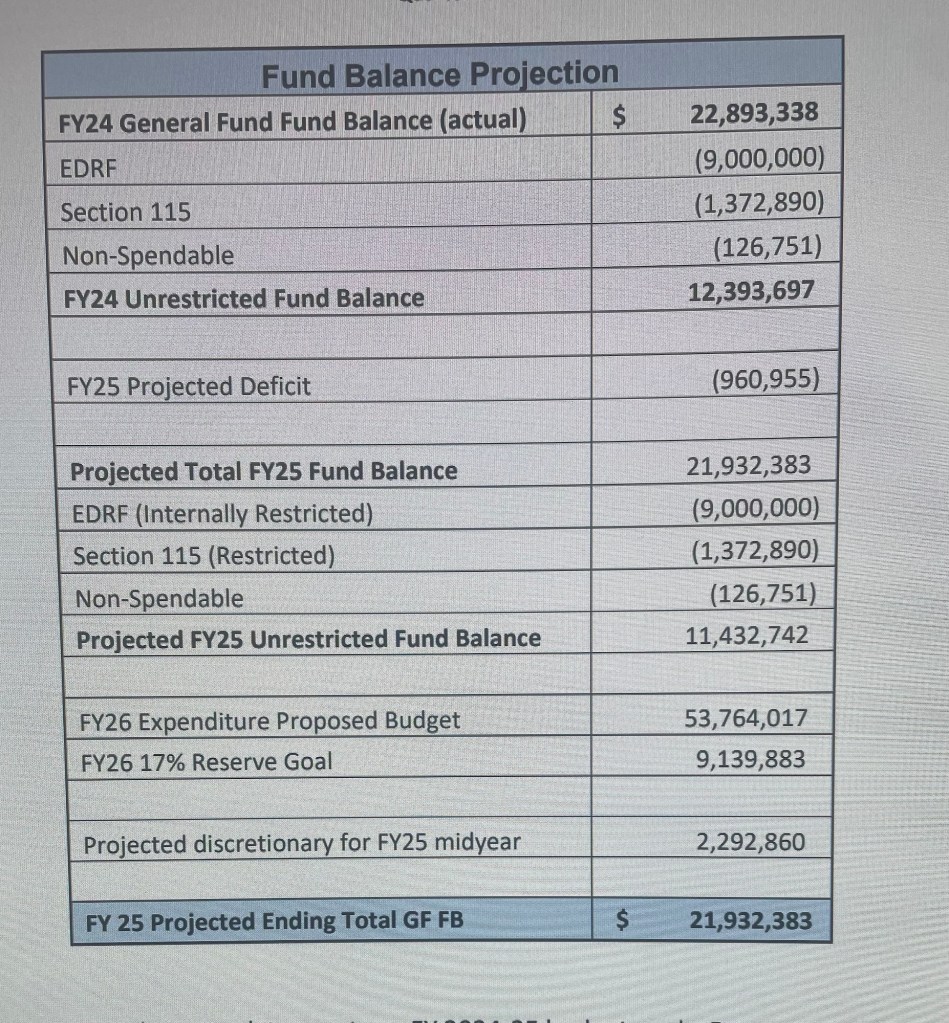
Residents of El Cerrito are raising concerns about the city’s unrestricted general fund (GF) balance due to the lack of transparency in financial reporting. The city does not report the unrestricted balance separately; instead, they group all reserves together, occasionally breaking out portions such as the Section 115 or emergency fund balance. However, the unrestricted balance remains undisclosed.

The lack of clarity is concerning, particularly given that the city had the chance to adopt a policy mandating a 17% unrestricted reserve balance during the November 19th City Council meeting. Instead, on Mayor Tessa Rudnick’s recommendation, the City Council chose to label this as a “goal” rather than a binding policy—effectively signaling a vote of “no confidence.” This decision to weaken the proposed policy suggests the city is fully aware of the depleted unrestricted reserve balance but lacks any concrete plan to restore it to the 17% target.

Adding to the concern, the City Council also ignored the Financial Advisory Board’s (FAB) recommendation to establish a $1 million surplus reserve. This reflects a troubling pattern where the City Council consistently waters down FAB’s recommendations, allowing the City Manager to retain ultimate discretion and ignore these measures when it suits her.

Evidence of a Negative Unrestricted Balance

Analysis of the city’s financial data suggests the unrestricted GF may currently have a negative balance:

• 4th Quarter Reported Unrestricted GF: $12,584,277

• 1st Quarter Revenue (Q1): $7,427,375

• 1st Quarter Expenses (Q1): $14,239,057

• Unfunded Actuarial Liability Payment (UAL): $5,250,000 (only partially reported in Q1)

• October-November Revenue Estimate: $4,541,121.33

Using this data, the current GF is estimated at ($4,018,526.33):

This calculation assumes that the deficit reported for the first three months continued on a straight-line basis through October and November. However, the confusing nature of the city’s reports leaves room for unaccounted revenues or expenses.

Key Issues:

1. Transparency: The lack of separate reporting for the unrestricted balance obscures the true state of city finances.

2. Policy Avoidance: By rejecting both the 17% unrestricted reserve policy and $1 million reserve FAB recommendation, the city avoids accountability and retains financial flexibility without oversight.

3. City Manager’s Discretion: The consistent watering down of FAB’s recommendations ensures that the City Manager retains ultimate discretion, enabling her to bypass fiscal policies when convenient.

4. Potential Deficit: The analysis indicates a significant negative balance, raising questions about fiscal health and planning.

5 A goal is not a policy. A goal is an aspirational objective that outlines what an organization, individual, or group hopes to achieve. It is a target or desired outcome that provides direction and motivation. For example, “Reduce maintenance downtime by 20% this year” is a goal.

A policy, on the other hand, is a formalized, actionable guideline or rule established to govern decisions and behaviors in achieving those goals. Policies provide a framework that ensures consistency, compliance, and accountability. For example, “All maintenance requests must be addressed within 24 hours” is a policy.

Residents and stakeholders are urging the City Council to provide transparent reporting, adopt binding policies, and ensure stronger oversight to promote financial stability and accountability.

#ElCerrito #TransparencyMatters #FiscalResponsibility #GeneralFund #CityManager #AccountabilityMatters #PublicPolicy #GoodGovernance #CommunityOversight

El Cerrito’s Housing Project and Community Investments

El Cerrito is at a pivotal moment as the city pursues ambitious projects aimed at addressing housing needs and enhancing public services. A transit-oriented development (TOD) at the El Cerrito Plaza Station was a focal point of discussion during last night’s City Council meeting.

Housing Project: Sustainable Living at the Forefront

The city’s latest development, known as Parcel A South (EC-PAS), is a significant step toward providing affordable housing. This transit-oriented project has secured $39.1 million in funding from the Affordable Housing and Sustainable Communities (AHSC) Program. It aims to reduce car dependency by situating homes near public transit, aligning with California’s sustainability and housing goals.

The project underscores El Cerrito’s commitment to tackling housing challenges while promoting environmentally conscious urban planning. With state and regional support, EC-PAS represents a collaboration designed to expand housing access and bolster the city’s economic and social infrastructure.

The $300 Parcel Tax: A Contentious Issue

Simultaneously, the city is campaigning for a $300 annual parcel tax, intended to fund the construction of a new library. Estimated at $21 million, the library project has drawn criticism from residents who argue the price is far too high for the proposed scope. Critics have also raised concerns about the transparency and fairness of imposing this tax, especially since residents are already among the highest taxpayers in the county.

The timing of the parcel tax has added to the scrutiny, as residents question whether the funds could be better allocated to address broader needs or support existing infrastructure improvements.

Expected Outcomes

Despite the controversy surrounding the tax, the EC-PAS housing project is expected to deliver tangible benefits, including:

• Expanded affordable housing options for El Cerrito residents.

• Reduced reliance on cars, promoting sustainable living.

• Strengthened community connectivity through access to public transit.

However, the juxtaposition of the housing project’s state-backed funding and the city’s push for a substantial local tax has left many residents seeking clearer financial strategies from city leaders.

For more details about the meeting and ongoing city initiatives, visit el-cerrito.org.

Hiding Behind the Brown Act

In El Cerrito, many residents are growing increasingly frustrated with the lack of transparency from our city government. It seems that every time we request crucial information—whether about the library project, financial reserves, or decisions made on our behalf—we’re met with the same tired excuses: “releasing this information could harm the public,” or “the documents are not yet finalized.”

But this is our city, funded by our tax dollars, and we deserve to know how that money is being spent. We have the right to understand the decisions being made by our local officials. Whether it’s about contractors, management firms, or advisory groups, the people of El Cerrito should not be kept in the dark about how their resources are being used.

The Brown Act and the Public’s Right to Know

City officials often cite the Brown Act, claiming that releasing information would somehow “harm” the public. But let’s be clear: the Brown Act exists to encourage transparency, not to stifle it. It was created to ensure that local governments conduct their business in the open, where the public can participate and hold them accountable. The Act even explicitly states:

“The people of this State do not yield their sovereignty to the agencies which serve them. The people, in delegating authority, do not give their public servants the right to decide what is good for the people to know and what is not good for them to know. The people insist on remaining informed so that they may retain control over the instruments they have created.” (Gov’t Code § 54950)

Despite this clear mandate, El Cerrito has repeatedly used the Brown Act as an excuse to withhold information. One of the most frustrating examples is the city’s refusal to share details about the library project, including options for other properties and any specific plans that have already been presented at public meetings. The same goes for requests for financial information—especially regarding the unrestricted general fund reserve balance, which directly impacts the city’s financial stability.

The “Unfinalized Documents” Excuse

Another excuse we often hear is that the documents are “not yet finalized.” This has been used time and time again to justify withholding information from the public, even though the same information has already been presented in council meetings or discussed publicly. How can city officials justify making decisions based on these “unfinalized” documents while simultaneously claiming that they are incomplete and not ready for public release? This contradiction is not only frustrating but also undermines trust in local governance.

The truth is, transparency doesn’t begin when documents are fully polished. Transparency means giving residents access to the decision-making process as it unfolds. We deserve to see these drafts, understand the options being considered, and know how our city plans to use our tax dollars. After all, it’s our community and our future at stake.

Take Action: Contact Your City Leaders

If you’re as frustrated as we are, it’s time to take action. Reach out to the City Manager and City Council members directly and demand the transparency we deserve. Let them know that we expect full disclosure of information—whether it’s finalized or not. Ask that your comments be added to the official City Council packet, ensuring your voice becomes part of the public record.

Here’s how you can contact them:

City Manager:
Karen Pinkos
Email: kpinkos@ci.el-cerrito.ca.us
Phone: (510) 215-4300

City Council Members:

Attend City Council Meetings

If you want to make sure your concerns are heard, you can also attend City Council meetings. These meetings are open to the public and provide an opportunity for residents to speak directly to city officials. Don’t let your voice be silenced—take the chance to demand transparency and hold El Cerrito accountable.

The Time for Transparency is Now

We cannot continue to accept vague excuses about “not finalized” documents or potential “harm” to the public as reasons to withhold information. The Brown Act exists to ensure that governments work in the open and allow residents to hold their leaders accountable. El Cerrito must stop using it as a barrier to transparency.

We, the residents of El Cerrito, have a right to be informed participants in the decisions that shape our community. The more we know, the better we can ensure that our tax dollars are used responsibly and that our city remains accountable to the people it serves.

Let’s work together to demand the transparency we deserve. Contact your city leaders, attend council meetings, and continue to push for open, honest governance in El Cerrito.

Transparency and the Path Forward

The recent passage of Measure G marks a pivotal moment for the City of El Cerrito. With over 80% voter support, the extension of the 1 percent sales tax ensures funding for vital city services such as public safety, emergency response, park maintenance, and senior programs. City Manager’s recent newsletter emphasizes gratitude to the community and City Council for their leadership in securing this measure’s success. However, this moment also serves as an opportunity to reflect on the broader context of El Cerrito’s financial management and future priorities.

The Real Cost of Measure G

While Measure G addresses immediate funding needs, many residents question whether the measure represents a sustainable solution or a stopgap for deeper financial issues. During the campaign, the City Manager highlighted potential cuts to police and fire services, raising concerns among voters. However, some residents argue that these warnings overshadowed alternative solutions, such as addressing structural inefficiencies within the city’s operations.

One critical recommendation from the California State Auditor stands out: conducting a staffing study. This study could have uncovered opportunities to save much more than the revenue generated by the 1-percent sales tax, reducing the city’s reliance on what some have labeled “forever taxes.” Implementing such a study would demonstrate a commitment to thoughtful, data-driven financial stewardship.

Accountability and the Need for Transparency

The overwhelming support for Measure G reflects the community’s trust in local government and its commitment to maintaining essential services. However, trust must be met with transparency. The city has an opportunity to build on this trust by implementing measures that prioritize fiscal responsibility and demonstrate a willingness to make tough decisions.

Key actions could include:

1. Conducting the Staffing Study: This long-overdue analysis could identify redundancies and inefficiencies, enabling the city to allocate resources more effectively.

2. Engaging Residents in Budget Decisions: Hosting community forums or workshops could foster greater transparency and give residents a voice in financial planning.

3. Reducing Reliance on Long-Term Taxes: By addressing inefficiencies and implementing cost-saving measures, the city can shift away from recurring tax measures that burden residents.

4. Regular Financial Updates: Providing detailed, easy-to-understand reports on how Measure G funds are used could bolster public confidence.

Welcoming New Leadership

The arrival of two new City Councilmembers, Rebecca Saltzman and William Ktsanes, presents an opportunity for fresh perspectives and renewed focus on fiscal responsibility. As the city prepares to welcome them and reelected Councilmember Lisa Motoyama, the upcoming Council retreat and briefings should prioritize strategic discussions about addressing the State Auditor’s recommendations and setting clear financial goals.

A Bright Future—But with Caution

El Cerrito has the potential to thrive as a resilient, vibrant community. Measure G offers a lifeline for critical services, but its passage should not signal the end of the conversation about financial stability. The city’s residents deserve leadership that not only celebrates wins but also addresses long-term challenges with honesty and accountability.

As the city moves forward, let’s ensure that gratitude for the present is matched with action for the future. Together, El Cerrito can set a precedent for fiscal responsibility, transparency, and community-centered governance.

#ElCerrito #MeasureG #CommunityLeadership #TransparencyMatters #FiscalResponsibility #LocalGovernment #PublicSafety #CityServices #SustainableGovernance #CommunityFirst

Engage in El Cerrito’s Future – Attend the Council Meeting on November 19, 2024

Attention El Cerrito residents! Your voice matters, and the upcoming El Cerrito City Council meeting on November 19, 2024, is packed with topics that could impact our community. From key policy decisions to local initiatives, there are a variety of issues that will be discussed, and this is an opportunity for residents to make sure their opinions are heard.

The agenda is filled with important matters, and it’s highly encouraged that community members review it and prepare to speak on the issues they care about. Attending these meetings and sharing your perspective can make a real difference. Whether it’s a topic that directly affects you or a broader issue shaping our city, resident input can guide council members in making decisions that reflect the will and needs of our community.

For a detailed look at the agenda and to read excerpts from the council packet, check out the link here: El Cerrito Council Meeting Agenda.

Let’s show up for our city and make voices heard. Together, residents can shape the future of El Cerrito.

Revisiting El Cerrito’s Spending: Time for a New Approach to City Staffing?

In 2020, the El Cerrito Committee for Responsible Government (ECCRG) demonstrated that El Cerrito’s spending outpaced that of neighboring cities, putting a significant financial burden on its residents. Fast forward to 2023, and likely in 24/25, the city’s expenses remain higher than those of nearby communities, even as neighboring cities have taken steps to manage costs and maintain efficient staffing.

How Does El Cerrito Compare?

Using Transparent California’s 2023 reports, we compared El Cerrito’s spending per resident to that of similar-sized cities.

These figures reveal that El Cerrito’s cost per resident is the highest among comparable cities, even exceeding Albany’s expenses, which are also relatively high. This suggests an opportunity for El Cerrito to assess its staffing levels and consider “rightsizing” to improve financial sustainability. Here’s how El Cerrito stacks up to Albany, San Pablo, and El Cerrito:

The Case for “Rightsizing” El Cerrito’s Workforce

El Cerrito’s budget shows that while some employee salaries are competitive, many others lag behind regional medians. The challenge lies in the sheer number of employees on the city’s payroll, which contributes to a higher overall expense that the city struggles to maintain. The result is a workforce that is both large and unevenly compensated—a model that puts long-term financial health at risk.

What Rightsizing Could Mean for El Cerrito

“Rightsizing” refers to adjusting the workforce to match actual service demands and budgetary constraints. This allows the city to offer competitive compensation for essential roles without overextending its budget. By right-sizing, El Cerrito could lower its per-resident costs while still delivering high-quality services, ultimately easing the tax burden on residents.

This data underscores the need for a proactive, sustainable approach to city management that aligns El Cerrito with regional best practices.

Moving Forward

El Cerrito can consider a staffing model focusing on core services and sustainable compensation practices to achieve financial resilience. A well-planned approach could lead to a more balanced budget, benefiting residents and employees.


Contact Your City Representatives

To voice your thoughts on El Cerrito’s budget and workforce, contact the city manager and city council members:

Hashtags

#ElCerrito #CityBudget #LocalGovernment #FiscalResponsibility #Rightsizing #CityCouncil #CommunityFinance #TransparentCalifornia

Is El Cerrito Building a Library or Something Much Bigger?

The City of El Cerrito has proposed “leasehold improvements” for a new public library. However, recent analyses by concerned citizens and experienced developers suggest that the project’s scope and budget may indicate plans for a multi-story apartment building rather than a standalone library.

Key Concerns:

  • Inflated Budget Estimates: The projected $21 million cost far exceeds typical expenses for constructing or renovating a library of comparable size. For instance, major retail spaces like Marshall’s in El Cerrito have undertaken significant refurbishments without approaching such figures. This discrepancy raises questions about whether the budget is being inflated to justify a proposed perpetual $300 annual property tax for residents.

El Cerrito Responsible Government

  • Structural Implications: The budget appears to cover extensive structural work—such as exterior walls and load-bearing supports—suggesting the construction of a multi-level building capable of supporting additional stories, potentially for residential units. This goes beyond the requirements of a single-story library.

Implications for Residents:

If the project indeed involves constructing a multi-story building, residents may face:

  • Increased Tax Burden: A perpetual $300 annual property tax could be imposed to fund a project that extends beyond a community library, placing a continuous financial strain on homeowners.

El Cerrito Responsible Government

  • Lack of Transparency: The City’s presentation of the project as solely a library initiative may obscure the true scope and purpose, undermining public trust.

Residents are urged to seek transparency and accountability from the City Council regarding:

  • Detailed Project Plans: Request comprehensive disclosure of the project’s scope, including any residential components.
  • Accurate Budget Breakdown: Insist on a clear and itemized budget to understand the allocation of funds.
  • Justification for Taxation: Demand a thorough explanation for the proposed perpetual tax and its necessity.

By engaging in open dialogue and demanding clarity, El Cerrito residents can ensure that public funds are used appropriately and that community projects genuinely serve the public interest.

#ElCerritoLibrary #Transparency #PublicFunds #CommunityEngagement #TaxpayerRights

Additional Sources and Recommended readings.

1

2

3

4

5

El Cerrito’s Priorities: Legal Fees and Polling Over Community Needs?

Between December 2023 and March 2024, El Cerrito spent over $186,000 of taxpayer money on legal fees with the firm Meyers Nave, alongside approxy $40,000 on polling services from Godbe Research. These expenditures are tied to the City’s push for a new library project, a venture that has raised serious concerns among residents. What’s even more frustrating is that the money spent on legal fees and polling could have funded much-needed community services, like a senior center. Yet, the City continues to focus on initiatives that raise taxes for residents while leaving crucial needs unmet.

Legal Fees and Polling: What’s Really at Stake?

The City’s significant legal costs, combined with the $40,000 spent on Godbe Research, reflect a strategy aimed at securing public support for a controversial library project. While the project may appear to be a community enhancement, the underlying motivation seems to be the approval of a permanent $300 supplemental property tax—the “forever tax.” This tax will place an indefinite financial burden on homeowners, yet the community has had little opportunity to shape or fully understand this decision.

Instead of allocating funds to legal maneuvering and public polling, the City could have used those same dollars to directly benefit residents by investing in services that enhance the quality of life, such as a senior center—a long-overdue need in El Cerrito.

A Senior Center: A Missed Opportunity?

With the combined $226,000 spent on legal and research services, El Cerrito could have easily funded a more fully operational senior center. Senior centers provide vital services like recreational activities, social programs, health support, and a sense of community for older residents. Despite the growing need for such a facility, the City has not prioritized this kind of investment.

Instead, the City has focused on a new library project funded by a perpetual tax increase, all while long-standing needs—like improving resources for seniors—remain ignored. For years, El Cerrito has underfunded the library, offering limited hours and reduced services. Now, the City has fast-tracked an expensive construction project that feels more like a financial maneuver than a genuine response to community needs.

Why Does the City Keep Pushing Tax Increases?

El Cerrito seems trapped in a cycle of tax-raising initiatives rather than managing its existing resources effectively. The proposed $300 “forever tax” is just the latest example, and it will place a lasting financial strain on homeowners. Residents have had little input on whether this tax increase is the best way to fund new projects.

Even more concerning is the fact that city council member Lisa Motoyama and member-elect Rebecca Saltzman are strongly in favor of these tax increases, despite the City’s unclear motives, lack of transparency, and reputation for shoddy financial analysis. Their support for new taxes, without addressing critical community concerns, highlights the disconnect between the Candidates and the real needs of its residents.

Residents Deserve Better

The City’s investment in legal services and polling should have been directed toward tangible community improvements, like a senior center, better library services, or expanded public amenities. It’s time for El Cerrito to shift its focus away from expensive tax-increasing projects and toward addressing the immediate needs of residents.

The aggressive polling and legal expenditures suggest the City is more interested in shaping public opinion to justify permanent tax increases than in genuinely engaging with residents. The community deserves a more transparent process and a chance to voice their concerns.

A Call for Fiscal Responsibility

The City must be held accountable for its spending decisions. Why are taxpayer dollars being spent on legal fees and polling when those funds could be used for real, tangible improvements? El Cerrito residents need to ask tough questions about the City’s priorities.

Contact Your Officials

If you’re concerned about the future of El Cerrito’s spending priorities, contact your City Manager and City Council members today. Demand transparency and accountability on why taxpayer dollars are being spent on legal fees and polling instead of essential community services.

El Cerrito City Manager:
Karen Pinkos
Phone: (510) 215-4300
Email: citymanager@ci.el-cerrito.ca.us

El Cerrito City Council:


#ElCerritoLibrary #TransparencyNow #CommunityMatters #TaxpayerDollars #SeniorCenterNow #PublicInputMatters #StopTheForeverTax #HoldThemAccountable #FiscalResponsibility #ElCerritoCityCouncil #CourtneyHelion #RebeccaSaltzman #DemandAnswers

El Cerrito’s Road Conditions Decline Despite Dedicated Funding

El Cerrito residents are increasingly concerned about the state of their roads as the city’s Pavement Condition Index (PCI) score continues to decline. This index, which measures the quality of road infrastructure, shows a significant downward trend, despite a dedicated tax for road maintenance. Recent data from the Metropolitan Transportation Commission/Bay Area Toll Authority reveals that El Cerrito’s PCI score dropped to 68 in 2023. This article explores what the PCI numbers mean for El Cerrito’s major paths and residential streets and what steps the city can take to address this decline.

The Downward PCI Trend Across El Cerrito’s Roads

The PCI score provides a broad overview of road conditions, with higher scores indicating better pavement quality. Since 2016, El Cerrito has seen its PCI score drop significantly:

2016: 85

2017: 83

2018: 82

2019: 74

2020: 72

2021: 70

2022: 69

2023: 68

The decline from 85 to 68 over the past seven years places El Cerrito’s roads in the “fair” category, but the drop is concerning, particularly given the funding specifically allocated for road maintenance. This trend affects both major thoroughfares and neighborhood streets, impacting residents’ daily commutes and overall road safety.

2023 Detailed PCI Breakdown by Road Type

To better understand the condition of El Cerrito’s road network, here’s a breakdown of the 2023 PCI score by road type:

Arterial Roads: 72

Collector Roads: 68

Residential Roads: 65

Overall Network: 67

Key Roads and Paths Impacted by Declining PCI

The PCI scores for different road types highlight the varying conditions across El Cerrito’s street network:

Arterial Roads (72 PCI): These are main roads like San Pablo Avenue and Potrero Avenue, which handle high traffic volumes daily. Though they are in slightly better condition, the score indicates that even main routes are in need of maintenance.

Collector Roads (68 PCI): Streets like Moeser Lane, Stockton Avenue, and Richmond Street act as connectors between neighborhoods and main roads. Their conditions are declining, affecting traffic flow and access to local amenities.

Residential Roads (65 PCI): Smaller neighborhood streets, including Navellier Street, Eureka Avenue, and Edwards Avenue, scored the lowest, indicating wear and tear that directly impacts residents. Deterioration in these areas may increase vehicle wear and pose risks for pedestrians and cyclists.

Why Is El Cerrito’s PCI Declining?

The drop in PCI scores across all types of roads raises questions about El Cerrito’s road maintenance strategy, especially with the presence of a dedicated tax for these purposes. Here are some factors that may be contributing to the issue:

1. Insufficient Funding Allocation: The dedicated tax may not be keeping up with the actual costs required to maintain and improve the city’s road network.

2. Aging Infrastructure: As infrastructure ages, maintenance becomes more costly. Some of El Cerrito’s roads may be reaching the end of their expected life span, requiring more extensive repairs or replacement.

3. Environmental Impact: Weather, rain, and temperature fluctuations can exacerbate road deterioration, especially in areas with higher traffic loads like San Pablo Avenue.

4. Prioritization of Other City Needs: The city may be allocating resources to other infrastructure projects, leading to less attention and funding for road maintenance.

What Can El Cerrito Do to Improve Its Roads?

To address the challenges impacting El Cerrito’s roads, the city and residents can consider the following actions:

1. Increase Budget Allocations for Residential Roads: Directing more funds toward residential streets and collector roads, where PCI scores are the lowest, can improve the quality of life in neighborhoods and reduce long-term repair costs.

2. Invest in Preventive Maintenance for High-Traffic Paths: Main thoroughfares such as San Pablo Avenue and Moeser Lane would benefit from proactive maintenance, which can extend their lifespan and minimize future repair costs.

3. Enhance Transparency on Funding and Road Projects: Sharing detailed plans and timelines for road maintenance projects with the community can foster trust and help residents understand how their tax dollars are being used.

4. Explore Additional Funding Opportunities: Seeking grants, state funding, and partnerships could provide the additional resources needed to address both major roads and residential streets.

5. Develop a Road Maintenance Strategy with Community Input: Engaging residents to identify the most critical areas for repair can help prioritize projects effectively, ensuring that funds are allocated to the paths and streets that matter most to the community.

Conclusion

The ongoing decline in El Cerrito’s PCI highlights the need for a renewed focus on road maintenance and a clear plan for addressing the infrastructure needs of both main roads and neighborhood streets. By taking steps to increase funding, improve transparency, and engage the community, El Cerrito can work toward restoring its streets and paths, enhancing safety, and maintaining the quality of life that residents expect. For now, the city must grapple with the challenges of a diminishing PCI score, with an eye toward sustainable, long-term solutions.

El Cerrito Council Election: Ktsanes Leads Helion, Paving the Way Toward Fiscal Responsibility

As the latest election results roll in, it’s clear that El Cerrito is on the cusp of a significant shift in its City Council. With current vote tallies, Ktsanes leads Helion, signaling that residents are ready to move toward a more financially responsible future. In an area where community engagement and fiscal stewardship have been hot topics, these election results reflect a desire for fresh perspectives on financial accountability and responsible governance.

Election Snapshot: Council Race Updates

Here’s where the candidates currently stand across three election result releases:

Release at 1:18 AM

Ktsanes: 4,380 votes (21.9%)

Motoyama: 6,024 votes (30.1%)

Saltzman: 5,550 votes (27.7%)

Helion: 2,261 votes (11.3%)

Dodge: 1,801 votes (9.0%)

Total: 20,016 votes

Release at 12:17 AM

Ktsanes: 4,144 votes (21.7%)

Motoyama: 5,776 votes (30.3%)

Saltzman: 5,302 votes (27.8%)

Helion: 2,150 votes (11.3%)

Dodge: 1,686 votes (8.8%)

Total: 19,058 votes

Release at 9:11 PM

Ktsanes: 3,946 votes (21.7%)

Motoyama: 5,535 votes (30.4%)

Saltzman: 5,064 votes (27.8%)

Helion: 2,057 votes (11.3%)

Dodge: 1,605 votes (8.8%)

Ktsanes’s lead over Helion is promising for those in the community who are advocating for better financial practices. While Saltzman and Motoyama hold strong numbers, Ktsanes’s position resonates with voters looking to address long-standing concerns over fiscal transparency and responsibility.

Why This Election Matters

El Cerrito has faced significant fiscal challenges in recent years. These elections provide an opportunity for a much-needed reset, and the results indicate that residents are ready for new leadership that prioritizes responsible financial decisions. Ktsanes’s lead represents a choice for a council that will work toward eliminating waste, increasing transparency, and steering the city toward a brighter financial future.

One critical issue at stake in this election is the city’s approach to spending and resource allocation. In recent years, El Cerrito has struggled with balancing the budget and ensuring funds are directed towards essential services that directly benefit the community. Ktsanes’s potential win symbolizes a shift towards leaders who aim to put the city’s finances in order and reduce the risk of costly mismanagement.

Running Independently for Change

It’s worth noting that Ktsanes ran an independent campaign after the El Cerrito Democratic Club chose not to endorse him. This decision meant that he had to organize and fund his efforts independently, rallying community support to advance his message of fiscal responsibility and transparency.

Proposition 5 and the Road Ahead

While Measure G has seen widespread support, California Proposition 5 appears poised for defeat. This means that any future funding for El Cerrito’s library and other community resources will still require a 2/3 majority vote. The impact of this result means that securing funding will demand careful planning and widespread support—another reason why having fiscally responsible leaders on the council is so critical.

Election Night Updates and What’s Next

The Clerk-Recorder-Elections Office has been diligent in releasing updates, with the first report posted shortly after 8:00 PM. As results continue to roll in, updates have been scheduled at least once an hour. The final election report was expected by 1:30 AM, capturing approximately half of the total votes expected.

As we wait for the complete tally, it’s evident that El Cerrito’s voters are leaning towards a council makeup that champions fiscal responsibility. The city’s journey toward financial stability is not just about balancing numbers but about securing a legacy of sustainable and transparent governance for future generations.

A New Era of Fiscal Responsibility in El Cerrito

The preliminary results from this election suggest that El Cerrito is ready for a council that prioritizes accountability and efficiency. Ktsanes’s lead signifies a mandate from the community to pursue a clear path toward fiscal health. Residents can look forward to a council that will be more thoughtful about budgeting, transparent about spending, and committed to delivering essential services without compromise.

For those invested in El Cerrito’s future, this election is more than a vote count—it’s a statement. The choice to back candidates like Ktsanes reflects a community united in its desire for a financially secure El Cerrito. This election could be the beginning of a transformative era for the city, setting it on a course towards responsible governance and a thriving, well-managed community.

Stay tuned for further updates and final results as we continue to monitor this pivotal election for El Cerrito.

#ElCerritoElections #FiscalResponsibility #KtsanesForCouncil #IndependentLeadership #CommunityChange #ElCerritoVotes

Why We Can’t Trust the City to Use the $300 Forever Library Tax or Measure G as Promised

El Cerrito’s financial mismanagement continues to frustrate residents, and two new tax measures—Measure G, which extends the 1% sales tax indefinitely, and a $300 “forever” library tax (yet to be assigned a ballot letter)—are the latest proposals that demand scrutiny. The city has repeatedly broken promises about spending tax dollars, such as diverting federal COVID bailout funds to cover overtime and other expenses instead of using the money to support the community, like maintaining the senior center.

Diverting Funds from Community Priorities

The federal bailout was meant to bolster critical services during the pandemic. Instead, El Cerrito prioritized unrelated expenses like overtime, while essential resources like the senior center were neglected. This raises a key question: Will Measure G and the library tax meet the same fate?

Lack of Transparency

The El Cerrito Committee for Responsible Government pointed out that Measure R, another critical tax measure, hasn’t been reviewed by the Financial Advisory Board (FAB) for years, despite promises of oversight. Without transparency and active review, how can we trust that Measure G and the library tax funds will be used as promised?

A Broken Promise on the Horizon?

El Cerrito’s leadership has a history of relying on scare tactics and quick fixes instead of addressing long-term financial issues. Without clear oversight, it’s hard to believe the funds from Measure G or the library tax will be spent appropriately. Given the city’s track record, there’s no guarantee funds won’t be diverted for other purposes, as they were with COVID bailout money.

Accountability

Residents must demand better accountability before supporting these taxes. We need guarantees on how these funds will be used and insist on regular financial reviews by the FAB or other citizen oversight committees.

For concerns, contact: vote wisely


City Manager Karen Pinkoskpinkos@ci.el-cerrito.ca.us
Councilmembers:
Tessa Rudnick – trudnick@ci.el-cerrito.ca.us
Lisa Motoyama – lmotoyama@ci.el-cerrito.ca.us
Paul Fadelli – pfadelli@ci.el-cerrito.ca.us
Carol Fyfe – cfyfe@ci.el-cerrito.ca.us
Jennifer Motoyama – jmotoyama@ci.el-cerrito.ca.us

Think twice before supporting another “forever” tax that the city may misuse, while vital services remain underfunded.

#ElCerrito #MeasureG #FiscalResponsibility #TaxTransparency #HoldCityAccountable #CommunityFirst #SeniorCenterSupport #MeasureGForeverTax #StopMismanagement

El Cerrito Measure G: Mercury News & East Bay Times Recommend No Votes

Both the Mercury News and East Bay Times endorse a NO vote on El Cerrito’s Measure G. This measure seeks to make a 1% increase in the city’s sales tax permanent, pushing the combined rate to 10.25%. El Cerrito’s tax rate would remain one of the highest in California, despite an ongoing history of fiscal mismanagement and near-bankruptcy.

The 1.5% city tax stems from two ballot measures: a 0.5% tax from 2008 and a temporary increase doubled to 1% in 2014, set to expire in 2027. Measure G aims to make this increase permanent. While the city attorney Sky Woodruff’s analysis suggests voters could repeal the tax in the future, the reality is far more complex, effectively making this tax “permanent.”

With El Cerrito’s fiscal struggles, including past deceptive taxpayer-funded campaigns to raise taxes, residents deserve accountability, not indefinite tax hikes. Rejecting Measure G is a stand for fiscal responsibility and the opportunity for voters to reassess their taxes.

Read the full editorial here: Editorial: Mercury News and East Bay Times Recommendations on Sales Tax Measures.

#ElCerrito #NoOnMeasureG #BayArea #EastBayTimes #MercuryNews

Why Has El Cerrito Invested So Much in Polling and Legal Firms for the Library Project?

In recent months, El Cerrito has ramped up efforts to move forward with a new library project, spending over $186,000 in legal fees and significant amounts on polling residents. The City has long neglected the library, offering limited hours and resources, so why the sudden urgency to push through a new, costly project?

The likely answer: they want the $300 “forever tax.”

Is the $300 “Forever Tax” the Real Goal?

While the City Manager may tout the library project as a community enhancement, it appears that the real motivation behind the push for a new library is financial. The $300 supplemental property tax is a permanent source of revenue for the City, and securing this tax increase could significantly bolster the City’s coffers. This “forever tax” will place the financial burden squarely on homeowners, providing the City with long-term funding without a clear plan for how those dollars will be spent beyond the initial project.

Instead of focusing on direct improvements to the library, such as extending hours or providing better services, the City seems to be prioritizing a large-scale development tied to a tax increase that will last indefinitely. The rush to make this project happen and the extensive use of polling and legal firms suggest that the City is more focused on securing this revenue stream than on addressing the actual needs of the community.

Polling and Legal Costs: Why Spend So Much?

The City’s investment in polling is an effort to shape public opinion and ensure the tax measure passes. They want to frame the conversation around the benefits of a new library without acknowledging the significant costs or providing residents with clear alternatives. Polling residents is not about listening to their concerns but rather about finding the messaging that will get the desired outcome: approving the tax increase.

At the same time, the legal expenses reflect the complexities of the broader development project, which goes beyond simply constructing a new library. The legal firms are helping the City navigate land use regulations, developer contracts, and tax arrangements. The use of firms like Meyers Nave—known for handling high-stakes legal challenges—signals that this is not just a library project, but a larger financial and real estate strategy.

One might ask: if the City is simply providing space for a new library, why need such extensive legal services? The answer lies in the broader development plan, which includes housing, adding another layer of complexity. The City’s involvement in this project is driving up legal fees and complicating what should be a more straightforward library improvement.

Why Residents Are Concerned

After years of neglect, the sudden focus on the library project raises red flags for residents. The $300 “forever tax” is a significant financial commitment, and many feel that they are not getting enough say in where the library will be located, how much it will cost, or how their tax dollars will be spent. Moreover, the City has not been transparent about the full scope of the project, particularly regarding the partnership with housing developers and the long-term financial implications for taxpayers.

The polling and legal maneuvers suggest that the City is more interested in securing the tax increase than in genuinely improving library services. Residents deserve a voice in these decisions, and they must demand transparency and accountability from their local government.

A Call for Transparency

The real question is: why has the City Manager prioritized the library now? It seems more likely that the goal is securing the permanent tax increase rather than providing meaningful improvements to the community’s library services. Residents deserve a clear explanation of how their tax dollars are being used and should be involved in deciding the future of this project.

Without a clear financial plan and without involving residents in meaningful ways, the future of the El Cerrito Library project remains shrouded in doubt. The City must open its decision-making process to public scrutiny, offering full transparency and enabling true resident participation.

Contact Your Officials

If you’re concerned about the future of El Cerrito’s library and the lack of transparency in the project, contact your City Manager and City Council members today. Demand clarity on the decisions being made with your tax dollars.

El Cerrito City Manager:
Karen Pinkos
Phone: (510) 215-4300
Email: citymanager@ci.el-cerrito.ca.us

El Cerrito City Council:

The residents of El Cerrito deserve to have a clear say in this project. Your involvement is crucial to ensure transparency, accountability, and a library that truly serves the community’s needs. Make your voice heard by attending City Council meetings and demanding answers from those who control your tax dollars.

ElCerritoLibrary #TransparencyNow #CommunityMatters #TaxpayerDollars #LibraryFunding #ElCerritoCityCouncil #StopTheForeverTax #DemandAnswers #PublicInputMatters #LibraryForAll

Editorial: Why I’m Voting No on Prop 5 and Supporting William Ktsanes for El Cerrito City Council

As a concerned citizen of El Cerrito, I am deeply worried about the City Council’s support for Proposition 5, which would lower the required voter approval threshold for bonds from 67% to just 55%. On the surface, it may seem like a small change, but in practice, it opens the door for risky, taxpayer-funded projects that leave us footing the bill without any real say in how the funds are managed.

Here’s the situation: El Cerrito City Council is counting on Prop 5 to pass so they can move forward with a $21 million bond for a large-scale apartment project. This development, planned for the Transit-Oriented Development (TOD) site on the corner of Liberty and Fairmont, would include 240 units and a new library space. But there’s a catch — repayment of this bond would come solely from a supplemental property tax assessment on El Cerrito property owners, not from any rental income generated by the complex. That’s right: not a single dollar from rents would go towards paying back the bond. By law, the only guarantee of repayment is our property taxes.

To put it bluntly, this setup means that taxpayers like you and I would essentially be giving the city a $21 million “grant” to become co-developers and co-owners of this complex. And while that might sound good to some, it’s a risky proposition for those of us who are being asked to fund it. Think about it: once the bond is repaid, the city starts collecting rent, but at what cost? If the goal is to replace the library, why not do so at its current location, without the added complexity and cost of a 240-unit apartment building?

Let’s face it, this isn’t just about building a library or affordable housing. This is about the city taking on a high-stakes role in a private-sector project, funded entirely by our tax dollars. And while the city and developers may see this as a way to boost “equity” and lower leverage, the real equity at stake here is ours — the taxpayers who will be burdened with an assessment that gives us no real ownership or control.

That’s why I’m supporting William Ktsanes for City Council. With his background in finance, William understands the complexities and long-term impacts of these types of projects. He knows that the city can accomplish its goals without placing such a heavy financial burden on property owners. He has the insight to seek fiscally responsible solutions that prioritize the needs of residents rather than risky financial undertakings that leave us vulnerable.

Prop 5 may make it easier for projects like these to get off the ground, but that doesn’t mean it’s right for our community. I’m voting No on Prop 5 and casting my vote for William Ktsanes because El Cerrito deserves a councilmember who will prioritize prudent financial management and put residents first.

Let’s keep our city accountable and protect our tax dollars from unnecessary risk.

#NoOnProp5 #FiscalResponsibility #ElCerrito #VoteForKtsanes #ProtectTaxpayers #CityCouncil #CommunityMatters

El Cerrito and California’s Tax Initiatives: Are Voters Seeing the Whole Financial Picture?

As Californians head to the polls, residents across the state, including those in El Cerrito, are being asked to consider a host of tax increases and new government bonds. These ballot measures aim to generate hundreds of millions in local revenue through new taxes and bonds, with over two dozen cities, counties, and school districts requesting taxpayer funds — despite not having published their 2024 financial statements. For El Cerrito, a city facing significant budgetary and accountability challenges, these decisions carry particular weight.

El Cerrito’s Financial Landscape

El Cerrito has faced scrutiny in recent years for its financial management practices. Residents are familiar with issues related to transparency, as the city has occasionally struggled with timely financial reporting and addressing structural budget shortfalls. we called attention to the city’s challenges in keeping up with best practices for municipal financial reporting, highlighting the importance of updated and accurate audits.

As El Cerrito residents are asked to support new taxes, and continue existing taxes, we face the pressing question: How can they make an informed decision without clear insight into the city’s fiscal health? For many, the lack of a current Annual Comprehensive Financial Report (ACFR) raises concerns about how taxpayer funds are allocated and whether El Cerrito can afford additional debt or increased spending commitments.

The Accountability Gap: Missing ACFRs Across California

El Cerrito’s situation is not unique. Many California municipalities, counties, and school districts are seeking new funds without presenting updated financial information. Each year, local governments are required to publish an ACFR, which offers insight into their revenues, expenditures, assets, liabilities, and overall fiscal activities. However, this year, numerous local entities, including Humboldt County and the City of Woodland, have yet to release these reports. Without an up-to-date ACFR, taxpayers lack the information necessary to gauge whether their local government is effectively managing existing resources before requesting more.

For El Cerrito residents, the question of financial transparency is especially pressing as past state auditor reports have indicated areas of concern, including rising pension obligations, underfunded city services, and challenges with balancing the budget. These issues echo broader concerns across California, where municipal debt has surged to almost $1.6 trillion. In El Cerrito, as in other cities, increased taxes or bonds could act as a stopgap for more profound, underlying financial concerns.

Key Questions for El Cerrito Voters

El Cerrito voters considering tax measures should ask the following:

1. What is El Cerrito’s current financial position? Understanding where the city stands financially is crucial. Are revenues in line with expenses? How are public funds being spent?

2. Is the latest financial report available? If El Cerrito has not published its 2024 ACFR, residents should question whether approving new taxes is responsible without seeing a clear fiscal picture.

3. What other options exist for revenue generation? Are there alternatives to taxing residents further, such as selling or leasing city-owned property, reallocating funds, or improving efficiency?

4. How much debt does El Cerrito already carry, and what is the city’s debt management strategy? What is the city’s long-term plan to handle outstanding obligations like pensions, which are a known burden on El Cerrito’s budget?

5. How will additional taxes impact residents? El Cerrito residents, especially those on fixed incomes or from low-income households, could feel the impact of increased taxes. How is the city addressing these concerns?

Transparency and Accountability in El Cerrito

Given El Cerrito’s ongoing financial hurdles, transparency in government spending is essential to regain public trust. The California Policy Center’s resources, such as the Municipal Finance Triage Guide and Local Fiscal Health Dashboard, can be invaluable for residents to independently evaluate El Cerrito’s fiscal health.

Conclusion: Informed Voting in El Cerrito

While addressing local needs through taxes and bonds can be necessary, sustainable budgeting requires transparency and accountability. El Cerrito residents deserve a full understanding of how their tax dollars are being used and the current financial health of their city before agreeing to new financial commitments. Without an updated ACFR, it becomes challenging for El Cerrito’s citizens to gauge whether their local government is responsibly handling their money. As voters head to the polls, they should demand transparency and prudent financial management from their elected officials to ensure El Cerrito is set up for long-term fiscal health.

Learn more in the California Policy Center’s article: Should Voters Approve New Taxes Without Seeing the Books?

#CaliforniaTaxes #ElCerrito #VoterTransparency #MunicipalFinance #CaliforniaPolicyCenter #TaxInitiatives #FiscalResponsibility #PublicFunds #Accountability #Budgeting

Don’t Be Fooled: El Cerrito Needs Real Change, Not More of the Same

As the deadline to run for office neared, incumbent insider Tessa Rudnick decided not to seek re-election. In response, the insiders quickly rallied behind Courtney Helion as their candidate. However, Helion’s lack of financial expertise is alarming, especially when combined with her unwavering support for the city manager, despite the glaring issues facing El Cerrito.

If you’re satisfied with the city being on the state auditor’s high-risk list for over 3.5 years, holding a troubling BBB credit rating, the lack of a senior center, and the absence of meaningful debate at council meetings, then Courtney Helion might be your choice. But for those who see a need for change, finance professional William Ktsanes is the clear alternative.

With Lisa Motoyama and Rebecca Saltzman likely winners of two of the available seats, the third comes down to a decision between Ktsanes and Helion. Ktsanes, with his financial expertise, offers a much-needed change to address the city’s pressing financial issues. Helion, on the other hand, continues to praise a city manager under whose leadership spending has soared, services have been cut, and El Cerrito’s financial health has worsened.

In fact, Courtney Helion’s recent email campaign presents contradictions. During the League of Women Voters forum, she opposed the idea of a senior center, but now she claims to support it. She’s also suddenly talking about transparency—after hearing these very concerns from other citizens and co-opting them into her platform. She’s also still firmly supporting the $300 “forever” tax for library.

El Cerrito voters, don’t be misled. Courtney Helion is aligned with those responsible for closing the senior center, and she stands firmly behind the city manager, whose leadership has contributed to the city’s financial crisis. El Cerrito is currently ranked 13th out of approximately 400 California cities most likely to go bankrupt. The city manager has failed to provide clear answers on these troubling finances, and if Helion is elected, it’s likely she will continue to follow the same failed path.

ElCerritoElections #VoteForChange #WilliamKtsanes #ElCerritoTransparency #SeniorCenterNeeded #CityManagerCrisis #NoMoreInsiders