Evaluating the Track Records of Councilmembers Wysinger and Quinto in the Primary Elections

Primary Election

As the primary elections draw near, voters in Contra Costa County face important decisions regarding their representation on the Democratic Central Committee, District 1.

Among the contenders are Carolyn Wysinger and Gabriel (Gabe) Quinto, both of whom currently serve on the City Council with terms set to conclude in 2026. Their tenure and actions while in office offer vital insights into their capabilities and priorities, which voters must carefully consider.

Councilmember Carolyn Wysinger, who stepped into her role in 2022 and presently serves as Mayor Pro-Tem, has been a part of the Council for just over a year. Her term has been marked by significant travel expenses billed to the city, raising questions about the tangible benefits of these travels to the city’s advancement. Despite being tasked with numerous board assignments, Wysinger’s participation has been noted as absent unless the engagements provided networking opportunities with other elected officials or potential backers.

On the other hand, Councilmember Gabe Quinto’s tenure, which spans a decade, is not without controversy. His time in office has seen several lapses in city management, most notably a $544,000 sexual harassment settlement and a series of financial missteps that have strained the city’s budget. Quinto’s voting record, characterized by approving financial motions that led to spending beyond the city’s means, contributed to the city resorting to high-risk financial remedies akin to municipal “pay day” loans.. Such decisions prompted the state auditor to categorize the city as one of the ten worst managed out of over 400 in California. Despite an interim improvement that saw the city climbing to the thirteenth position on the auditor’s list, thanks to federal subsidies and reserve funds, the underlying fiscal management issues remain largely unaddressed.

The city’s ongoing struggles with financial stability, including an $85 million unfunded pension liability accruing 6.8% interest, highlight the critical need for prudent fiscal management. Recent efforts to establish an emergency fund and allocate resources towards a balanced budget have left the city with about $4 million in unrestricted reserves, a sum below the Government Finance Officers Association’s recommended level for unrestricted reserves. Continuous spending beyond revenue, a pattern that previously led to financial duress, persists, underscoring the urgency for corrective measures.

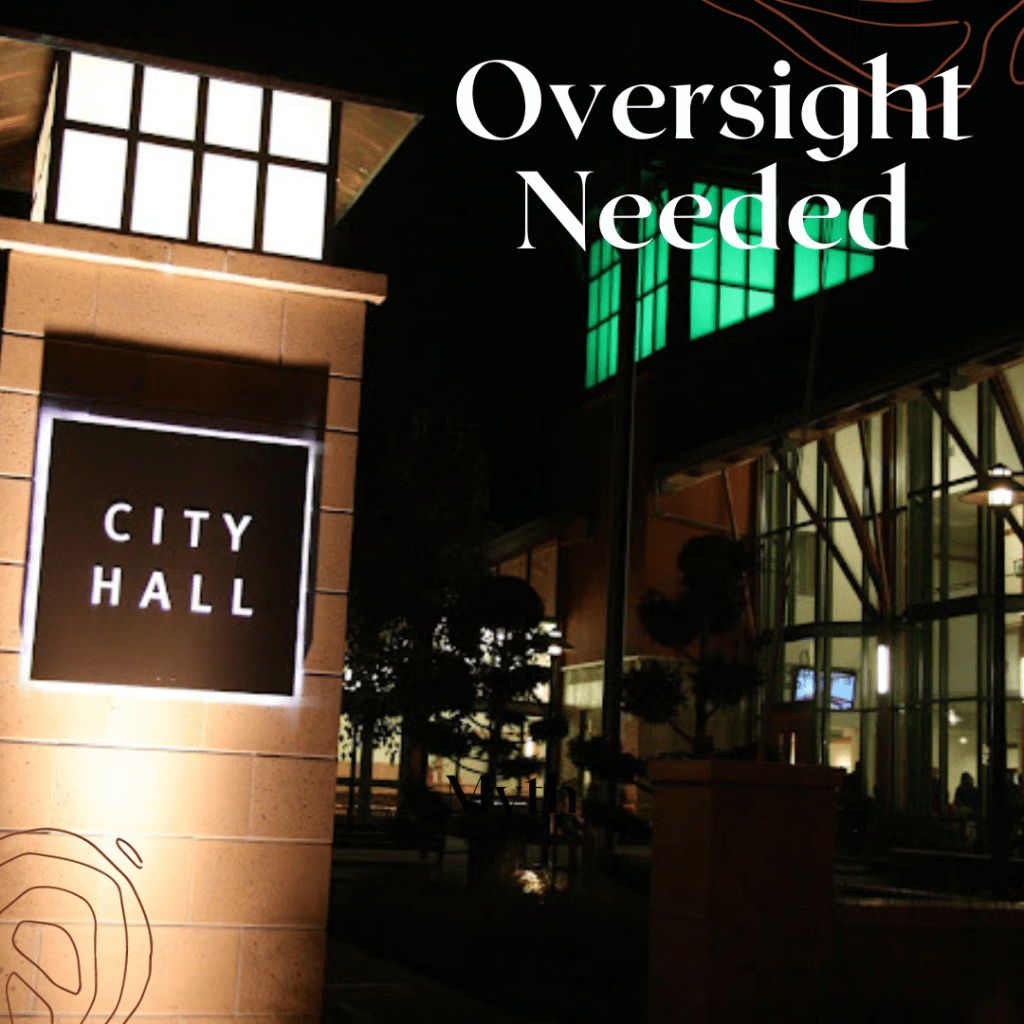
As voters consider their choices in the primary elections, the track records of Councilmembers Wysinger and Quinto warrant close scrutiny. Their past actions and decisions provide a window into their approaches to governance and fiscal responsibility. Should their bids for the Democratic Council not succeed, their performance and the outcomes of their policy decisions will undoubtedly influence voter sentiment in the 2026 re-election campaigns.

The importance of informed voting cannot be overstated, with the future fiscal health and governance of the city hanging in the balance.

El Cerrito Quietly Renews City Manager’s Contract

On October 3, 2023, Resolution 2023-77 was quietly and unanimously passed by the City Council. The renewal included a hefty $450 car allowance although the City Manager lives in El Cerrito, a few miles from City Hall.

In a recent turn of events, the City Manager, fresh off a contract renewal, displayed questionable judgment. Notably, during a Public Works meeting held via remote access, the City Manager was overheard directing a profane outburst towards the Director of Public Works.

This incident has sparked considerable unrest within the community, casting a shadow over the City Manager’s capacity to embody the city’s values and ethical standards. Concerns are mounting over whether extending her tenure serves the city’s best interests. Several points of contention have since then emerged:

  1. The City’s expenses continue to outpace revenue, yet the City Manager continues to assert that El Cerrito has addressed all of the State Auditor’s concerns. 
  2. Despite the implementation of Measure V, a transfer tax intended to finance a library project, over $15 million raised has been diverted to offset poor financial management instead of its designated purpose. This diversion has eroded trust in the city’s ability to manage future tax initiatives properly.
  3. A significant discrepancy remains unaddressed regarding the Real Property Transfer Tax, flagged in 2022 as a looming budgetary concern. Despite warnings from financial experts about a potential million-dollar shortfall in projected revenues, still no corrective actions have been taken to address the budget shortfall.
  4. The City Council’s delay in addressing the fiscal year-end closure, contrary to the Government Finance Officers Association’s (GFOA) guidelines, reflects a disregard for financial reporting standards.
  5. El Cerrito’s financial reserves fall woefully short of the GFOA’s recommended two months’ worth of operating expenses, risking the city’s financial stability.
  6. The Unfunded Pension Costs ballooned from $65 million to $85 million which is higher than a year’s operating budget.  Yet the city calls the changes a fluctuation that will correct itself.
  7. The state auditor’s evaluation placed El Cerrito among the worst-managed cities in California, highlighting critical pension funding issues that remain unresolved, exacerbating the city’s financial challenges.
  8. The City Manager’s frequent official trips have been scrutinized, suggesting a misalignment of priorities away from addressing local concerns.
  9. Excessive credit card spending further indicates a lack of financial oversight and governance within the city.

The City Council is urged to reconsider the perpetual renewal of the City Manager’s contract in light of these concerns, prioritizing the city’s reputation and the well-being of its employees and residents. This moment demands a leadership that is transparent, accountable, and dedicated to rectifying past missteps to guide El Cerrito towards a more stable and prosperous future.

Here’s how you can help:

  1. Share this post with other residents.
  2. Attend the monthly Financial Advisory Board meetings in person.
  3. Council meetings are both remote and in-person. The City Council meeting will be on tonight. The schedule is here.
  4. Share your voice with the Council Members, the Mayor, and the City Manager.

Challenging Financial Oversight: A Critique of El Cerrito’s Budget Reporting Practices – Editor’s note below

Editor’s Note: Following the publication of this blog post, the City of El Cerrito staff made updates to the quarterly performance reports. These reports feature tables detailing revenue and expense categories, complete with annotations regarding budget percentages. This update is undeniably a positive move forward.

The City Council Packet for Tuesday’s meeting was released today.  The package includes a check register and a lengthy narrative about the city’s financial position.   The anchor sentence in the first paragraph speaks volumes:  “The Council has closely monitored the City’s budget and financial position and directed City staff to submit quarterly General Fund financial update reports.”

Regrettably, the City Council cannot effectively oversee the city’s budget and financial health via an extensive narrative that only covers selected topics and fails to provide a comprehensive and accurate overview of the city’s financial situation.

Ineffective Budget Development and Monitoring Practices

The State Auditor noted the following in March 2022:  Starting with the first quarter of fiscal year 2021-22, El Cerrito began sharing detailed revenue and expenditure reports by department to the city council, enhancing transparency in its budget updates. From the second quarter, it also included comparisons with the previous year’s actual expenditures. This approach helps the council identify potential overspending by departments. For instance, the second quarter update revealed the community development department was on track to exceed its budget due to a heavier workload, leading to a budget revision that allocated extra funds to it.

It’s important to mention that after the State Auditor acknowledged the fulfillment of this recommendation, El Cerrito stopped its previous reporting practice and went through a prolonged period without issuing reports. Subsequently, citing staff shortages, the city switched to verbal reporting. Currently, the recommendations are documented in writing, yet they lack depth and detail.

By comparison, the city of Albany compares budgeted revenue with actual receipts and compares budgeted expenses to actual expenditures.

Your Role in Enhancing Financial Transparency

The narrative unfolding in El Cerrito’s financial reporting is not just a matter of bureaucratic procedure; it is a critical issue of transparency and accountability. As residents, there is a collective responsibility to demand a fuller, more transparent view of the city’s financial dealings. By urging the City Council to adopt a more rigorous comparison of budgeted versus actual figures—categorized by department and aligned in time periods—we can avoid the pitfalls of comparing disparate data sets and ensure a more accurate assessment of the city’s fiscal health.

This call to action is not merely about enhancing reports but about fostering a culture of transparency that benefits all.

 Here is more on how you can help:

Inform the City Council and City Manager that you are seeking a full and transparent overview of financial matters. Emphasize the necessity for them to provide comparisons between budgeted and actual figures, both by category and department, ensuring consistency in the time periods of all data to avoid mismatched comparisons, such as annual figures against quarterly numbers.

  • Share this post with other residents.
  • Comment on the post
  • Attend the monthly Financial Advisory Board meetings in person.
  • Post on Next Door
  • Voice your concerns with the Council.
  • Council meetings are remote and in-person, but public comment is now limited to in-person attendees.

If you want to contact City Council Members or the City Managers, all their emails are below:

  • Karen Pinkos-City Manager kpinkos@ci.el-cerrito.ca.us
  • Councilperson Gabe Quinto gquinto@ci.el-cerrito.ca.us
  • Councilperson Carolyn Wysinger cywysinger@ci.el-cerrito.ca.us
  • Councilperson Tessa Rudnick trudnick@ci.el-cerrito.ca.us
  • Mayor Lisa Motoyama lmotoyama@ci.el-cerrito.ca.us
  • Councilperson Paul Fadelli pfadelli@ci.el-cerrito.ca.us

El Cerrito’s Fiscal Oversight: Missed Opportunities and the Urgent Need for Strategic Staffing and Pension Reform

📷 J Stashik – article influenced by ND post

In March 2023, the state auditor recommended that El Cerrito should evaluate its staffing levels prior to undertaking the Classification and Compensation Study. Despite this advice, El Cerrito proceeded to solicit proposals for a comprehensive classification and compensation study. This study aims to assess the city’s organizational structure, compensation practices, and policies. The outcome of the Class and Comp study is expected shortly.

However, El Cerrito missed a critical opportunity to not only adjust salaries appropriately but also to utilize this as a strategic tool for ensuring financial sustainability. By analyzing its staffing requirements, the city could have gained insights into the cost implications of different job classifications. This would enable informed decision-making regarding the staffing levels and types of positions the city can sustainably support, along with the services it can feasibly provide.

A year prior, the state auditor had also urged the city to cut pension expenses. El Cerrito has begun to address this issue, with the police chief and fire chief, who are union members, agreeing to cover a greater share of their pension costs. This was highlighted in the city’s updates in September 2021 and March 2022. Yet, other employee unions have resisted deferring salary increases, which could help manage pension expenditures, including the $85 million the city hasn’t paid.

Moreover, the structure of fire services in the region, involving mutual aid agreements, highlights another area of concern. El Cerrito and Kensington, with a combined population under 30,000, maintain three fire stations and four battalion chiefs, equating to approximately one fire station per 9,000 residents. In contrast, Richmond supports seven fire stations for a population exceeding 115,000 or one station per 16,500 residents. With 20,000 residents, Albany operates a single fire station without battalion chiefs.

To prevent further depletion of its already limited reserves, El Cerrito urgently needs to address its salary and pension costs. The city’s reserves had $16 million, but continuing to balance the budget with withdrawals is the same practice that led to the collapse. And with recent withdrawals of over $1 million, leaving approximately $4 million in unrestricted reserves, which is significantly below the Government Finance Officers Association’s (GFOA) recommended level. This financial strain emphasizes the need for strategic fiscal management and cost reduction measures.

 Here is more on how you can help:

Inform the City Council and City Manager that you seek sustainable long-term solutions to the fiscal crisis.

Share this post with other residents.

  • Comment on the post.
  • Attend the monthly Financial Advisory Board meetings in person.
  • Post on Next Door
  • Voice your concerns with the Council.
  • Council meetings are remote and in-person, but public comment is currently to in-person attendees.
  • If you want to contact City Council Members or the City Manager, all their emails are below:
  • Karen Pinkos-City Manager kpinkos@ci.el-cerrito.ca.us
  • Councilperson Gabe Quinto gquinto@ci.el-cerrito.ca.us
  • Councilperson Carolyn Wysinger cywysinger@ci.el-cerrito.ca.us
  • Councilperson Tessa Rudnick trudnick@ci.el-cerrito.ca.us
  • Mayor Lisa Motoyama lmotoyama@ci.el-cerrito.ca.us
  • Councilperson Paul Fadelli pfadelli@ci.el-cerrito.ca.us

Calimesa Leads the Way: A Bold Solution to El Cerrito’s Fiscal Crisis

xr:d:DAF9KCNBk8w:1,j:7613754259748584173,t:24021816

Calimesa Leads the Way: A Bold Solution to El Cerrito’s Fiscal Crisis

El Cerrito faces an unfunded liability reported at $85 million, an amount surpassing its annual budget. The unfunded liability is the amount owed for pension costs that El Cerrito has not paid. With the California Public Employees’ Retirement System (CalPERS) applying a 6.8% charge on this unfunded portion, the financial burden is set to grow substantially unless El Cerrito takes prompt action.

The State Auditor has repeatedly warned El Cerrito about rising pension costs.

As El Cerrito edges closer to financial peril, the small city of Calimesa emerges as a glimmer of hope, demonstrating a bold approach to tackling the looming pension expense crisis. This initiative not only challenges the status quo but also sets a precedent for fiscal responsibility that other cities might follow.

The Looming Fiscal Challenge

El Cerrito’s in a tight spot. Spiraling pension costs are consuming ever-larger portions of our municipal budget, forcing the city into difficult choices: cutting services, raising taxes, or both. Despite the stock market’s robust performance and any gains for the state’s pension funds, the sustainability of these financial strategies in the event of an economic downturn remains a question mark. The California Public Employees’ Retirement System’s (CalPERS) reassurances do little to quell concerns, especially as it contemplates further fee hikes for already strained cities.

The Calimesa Model: Innovation in Public Service

Enter Calimesa, a small city in Riverside County that dared to think differently. Faced with the daunting task of managing public safety expenses, which consumed 60% of its general fund budget, Calimesa chose action over inaction. Under the leadership of Mayor Jeff Hewitt, the city reduced its reliance on costly union contracts by ending its contract with Cal Fire and establishing its own fire department. This move allowed Calimesa to set its own staffing levels and transition from a traditional pension plan to a more sustainable 401(k)-style retirement plan.

This strategic shift was not just about cost savings; it was about taking control and innovating for the betterment of the community. By doing so, Calimesa has been able to enhance its firefighting services, including building a new fire station and acquiring a state-of-the-art fire truck, all while navigating away from the financial brinkmanship that threatens many Californian cities.

A Path Forward

The success of Calimesa’s approach serves as a beacon for El Cerrito where leaders are also grappling with similar fiscal challenges. The city’s ability to implement these reforms without sacrificing service quality or public safety highlights a critical lesson: flexibility and innovation in public service can lead to both financial stability and enhanced community welfare.

While the median total compensation for firefighters in El Cerrito skyrockets, Calimesa’s model demonstrates that it is possible to balance fair compensation with fiscal responsibility. The city’s experience also underscores the importance of local control and the potential for municipalities to craft solutions tailored to their unique circumstances.

Engaging with Fiscal Responsibility

The journey of Calimesa is more than a local success story; it is a call to action for cities across California and beyond. As we face the twin challenges of fiscal sustainability and public service quality, Calimesa’s example encourages a reevaluation of entrenched systems and the exploration of innovative solutions.

As El Cerrito residents, it is crucial to engage with these issues, whether by participating in local governance, supporting reform initiatives, or simply staying informed about the fiscal health of our communities. The path Calimesa has charted offers a way out of the fiscal morass, displaying that sustainable solutions are within reach with creativity, courage, and community engagement.

Conclusion

In a city where fiscal challenges loom large, the story of Calimesa stands out as a testament to what can be achieved when cities dare to reimagine the status quo. As we look to the future, let us draw inspiration from others’ bold steps towards fiscal health and public service excellence. It is time for El Cerrito residents to demand more from their cities, insisting on innovative, sustainable approaches to governance that put the needs of communities first. Calimesa may be a small city on the map, but its impact on the discourse around fiscal responsibility and public sector innovation is profound.

 Here is more on how you can help:

Inform the City Council and City Manager that you seek sustainable long-term solutions to the fiscal crisis.

Share this post with other residents.

  • Comment on the post.
  • Attend the monthly Financial Advisory Board meetings in person.
  • Post on Next Door
  • Voice your concerns with the Council.
  • Council meetings are remote and in-person, but public comment is currently to in-person attendees.

If you want to contact City Council Members or the City Managers, all their emails are below:

  • Karen Pinkos-City Manager kpinkos@ci.el-cerrito.ca.us
  • Councilperson Gabe Quinto gquinto@ci.el-cerrito.ca.us
  • Councilperson Carolyn Wysinger cywysinger@ci.el-cerrito.ca.us
  • Councilperson Tessa Rudnick trudnick@ci.el-cerrito.ca.us
  • Mayor Lisa Motoyama lmotoyama@ci.el-cerrito.ca.us
  • Councilperson Paul Fadelli pfadelli@ci.el-cerrito.ca.us

The Impact of Leadership on City Management: A Reflective Analysis- Microblog

The role of a city manager is pivotal in shaping the future of urban landscapes. This blog post delves into the complexities of city management, focusing on the crucial link between leadership and the efficacy of administrative strategies.

The city manager, renowned for her eloquent articulation of vision and strategy, has set high expectations for a well-run city. Her plans, aimed at fostering a thriving urban environment, highlight the importance of foresight in governance.

A Missed Opportunity for Change

However, despite the promising outlook presented by the city manager, the actual progress tells a different story. Almost three years have passed since a critical report by the state auditor revealed significant shortcomings in the city’s administration. Yet, the city’s path to recovery remains largely uncharted and each solution allows the City to conduct business as usual.

In exploring the reasons behind these challenges, it becomes evident that financial incentives alone do not retain city employees. Employees join an organization with hopes and expectations, seeking a workplace that aligns with their values and aspirations. However, disillusionment often sets in, not necessarily due to external factors like location or team dynamics, but due to leadership.

Understanding the Heart of Employee Dissatisfaction

The crux of the matter lies in understanding the profound impact leadership has on an employee’s decision to stay or leave. When employees choose to leave, more often than not, they point to the deficiencies in leadership. It is an awakening for city managers and leaders alike to introspect and recognize that effective leadership is not just about strategic planning but also about understanding and addressing the genuine concerns of their workforce.

To transform the vision of a well-run city into reality, leadership must go beyond mere words. It involves a deep comprehension of the workforce’s needs and aspirations. By improving leadership practices and focusing on the real reasons behind employee turnover, city administrations can significantly enhance their effectiveness and public service delivery.

The Impact of Budget Amendments on City’s Financial Health

On Tuesday, the City Council authorized an expenditure that further narrows the financial safety net of our city, a resolution has been proposed to amend the Fiscal Year (FY) 2023-24 Adopted Budget and Capital Improvement Program. This action involves the allocation of $1,084,800 from the General Fund Unrestricted Fund Balance towards several park and facility deferred maintenance and repair projects. While these projects are necessary for maintaining our city’s infrastructure, this decision has significant implications for our financial resilience.

The Dwindling Unrestricted Fund Reserve Balance

It’s important to remember that our fund balance was already under pressure, sitting at less than half of the GFOA’s recommended unrestricted reserve level. This new allocation exacerbates the situation, further diminishing the city’s ability to respond to financial shortfalls . In times of upcoming financial challenges, a robust unrestricted fund reserve balance is our safety net, ensuring we can navigate without resorting to drastic measures. Unfortunately, this action places us in a more vulnerable position.

The Illusion of a Balanced Budget

The City Manager rationalized the postponement by stating that there was a need for more precise cost estimates. Yet, the amount now sought from the unrestricted funds is marginally lower than the initial figure anticipated at the time this year’s budget was finalized. Moreover, the practice of excluding planned items from the annual budget creates a misleading appearance of fiscal balance.

By deferring the appropriation of funds for essential maintenance and repair projects to a later date, the budget superficially seems balanced. However, this overlooks the reality that these are not new or unexpected expenses but planned necessities that have been temporarily sidelined. This approach not only obscures the true state of our financial health but also delays critical infrastructure improvements.

The Proposed Action

The resolution calls for the appropriation of funds for several key projects initially identified in the FY 2023-24 Adopted Budget and Capital Improvement Program but not included in the operating budget. These projects encompass a wide range of infrastructure needs, from sewer line replacement at Castro Park to enhancements at the Swim Center for ADA compliance and electric vehicle parking. Initially projected at a planning level cost of $1.14 million, the proposal now seeks to allocate slightly less, with the understanding that these funds will directly address the deferred and repair needs of our city’s facilities. maintenance

Moving Forward

As we consider this resolution, it’s crucial to weigh the immediate benefits of improved city infrastructure against the long-term implications of reducing our unrestricted fund reserve balance. Maintaining a balanced approach to budgeting—where essential projects are funded without compromising our financial stability—will be key to navigating the challenges ahead. This situation underscores the importance of transparent and prudent financial planning, ensuring that our city remains a vibrant and sustainable community for all residents.

Additionally, these issues are identical to those previously highlighted by the State Auditor three years ago. Initially, the City’s expenditures surpass its income. Subsequently, it taps into reserves to finance assorted projects over the year. This pattern leads the City towards depleting its reserves once again, potentially necessitating the reliance on short-term municipal financing to fulfill its financial commitments.

Here’s how you can help. Write to the Council members or write the city clerk and ask that your letter be included in the council meeting packet. Tell them they should require the City Manager to add all known items in the budget. They should also discontinue the use of reserves to fund known expenditures.

Here is more on how you can help:

  • Share this post with other residents.
  • Comment on the post
  • Attend the monthly Financial Advisory Board meetings in person.
  • Post on Next Door
  • Voice your concerns with the Council.
  • Council meetings are remote and in-person, but public comment is now limited to in-person attendees.

If you want to contact City Council Members or the City Managers, all their emails are below:

  • Karen Pinkos-City Manager kpinkos@ci.el-cerrito.ca.us
  • Councilperson Gabe Quinto gquinto@ci.el-cerrito.ca.us
  • Councilperson Carolyn Wysinger cywysinger@ci.el-cerrito.ca.us
  • Councilperson Tessa Rudnick trudnick@ci.el-cerrito.ca.us
  • Mayor Lisa Motoyama lmotoyama@ci.el-cerrito.ca.us
  • Councilperson Paul Fadelli pfadelli@ci.el-cerrito.ca.us

Uncovering the Real Issues: El Cerrito’s Classification and Compensation Study

More on governance. Read On:

The City of El Cerrito recently embarked on a classification and compensation study, ostensibly to address the challenge of attracting qualified candidates to fill vacant positions. They assert that low salaries are the primary reason for their recruitment struggles. But City Leadership moved to the 51st State of Denial and refuse to face reality.

City Manager Update September 2023: The City Council approved a contract with Koff and Associates for a Citywide classification/compensation study on July 19, 2022. Koff and Associates began their work as of August 31, 2022 and the study had been slated to be completed in September 2023. However, again, as previously noted: the City does not expect that the completion of this study will result in reducing costs, rather it is expected to confirm that the City’s salaries are below market in many areas….The City Council understands that because this group’s salary ranges were frozen for three years, the current salary ranges and control points are behind the market and are now lower than similar positions of nearby cities……it is now understood that the study will instead highlight how far behind the market many of the City’s positions are.

El Cerrito staff are already among the highest-paid employees therefore increasing salaries will not address the city’s recruiting challenges and will only add more pressure to the ongoing financial woes.

Moreover, we believe that this narrow focus on wages overlooks the multitude of factors that affect a candidate’s decision to join an organization. In this blog post, we will delve deeper into El Cerrito’s issues and shed light on the broader context that needs consideration.

The True Factors Influencing Candidate Choices

Before we dissect El Cerrito’s predicament, it’s crucial to understand what truly matters to professionals when considering a job opportunity. Numerous studies, including those conducted by the Society for Human Resource Management (SHRM) and the federal government’s Equal Employment Opportunity Commission, have consistently shown that salary is not the sole driving factor for top talent.

El Cerrito’s Unique Context

  1. Lack of Employee Protection: In 2019, a public records request revealed that the city paid a substantial settlement of $544,341 to an employee, Ms. Perez, without admitting liability. Three current council members were part of the decision-making process, further complicating the issue.
  2. Inconsistent Financial Management: El Cerrito’s budget decisions have not consistently aligned with employee compensation concerns. For instance, reducing library hours to save $58,000 contrasts sharply with the sizable settlement paid to a former police officer. The lack of a clear strategy to prevent such incidents from recurring exacerbates the problem, putting taxpayers at risk of future payouts.
  3. Leadership Accountability: Recent events in October 2023 have also raised concerns about the leadership’s conduct. During a City Council Meeting, City Manager Karen Pinkos was heard using profanity towards an employee. Before the outburst, current and previous employees reported consistent and persistent yelling at employees. Such toxic behavior undermines the trust and professionalism expected from public officials and may deter potential candidates.
  4. High-performing Professional and Technical employees require interesting work. El Cerrito has an unusually high reliance on consultants who primarily function as an extra pair of hands (employees) that perform the most challenging and exciting work. This management style deters high-performing candidates from selecting El Cerrito.

One might wonder why we reference studies conducted in larger, more corporate settings when discussing El Cerrito, a quiet bedroom community. This is a valid question, and we’re happy to explain. El Cerrito may retain its small-town charm, but its spending habits are more reminiscent of a metropolitan city. This disparity between spending and revenue creates a mismatch between the city’s identity and its financial practices, making it harder to attract qualified candidates.

The Issues Facing El Cerrito

El Cerrito’s classification and compensation study should not be solely fixated on increasing salaries. To attract qualified candidates effectively, the city must address the broader issues of governance. Policies focused on employee protection, financial management, and leadership accountability.

By aligning its practices with the priorities of modern professionals and implementing measures to foster a healthy work environment, El Cerrito can ensure that its recruitment challenges become a thing of the past. It’s time for El Cerrito to focus on the bigger picture and build a brighter future for both the city and its potential employees.

Here is how you can help:

  • Share this post with other residents.
  • Comment on the post
  • Attend the monthly Financial Advisory Board meetings in person.
  • Post on Next Door
  • Voice your concerns with the Council.
  • Council meetings are remote and in-person, but public comment is now limited to in-person attendees.

If you want to contact City Council Members or the City Managers, all their emails are below:

  • Karen Pinkos-City Manager kpinkos@ci.el-cerrito.ca.us
  • Councilperson Gabe Quinto gquinto@ci.el-cerrito.ca.us
  • Councilperson Carolyn Wysinger cywysinger@ci.el-cerrito.ca.us
  • Councilperson Tessa Rudnick trudnick@ci.el-cerrito.ca.us
  • Mayor Lisa Motoyama lmotoyama@ci.el-cerrito.ca.us
  • Councilperson Paul Fadelli pfadelli@ci.el-cerrito.ca.us

California State Auditor’s Assessment Reveals Inadequate Cost-Cutting Measures in Ongoing Expenses

El Cerrito, California, informed the State Auditor that it planned to implement a fiscal recovery plan by summer 2021, including elements from the Auditor’s report. However, the city’s plans failed to effectively reduce ongoing costs. Their corrective action plan lacks a focused strategy for spending cuts, even though their five-year forecast acknowledges the need for significant reductions starting in fiscal year 2021–22, without detailing specific actions. Subsequent forecasts were also silent on specific actions.

El Cerrito does not expect to complete a salary and compensation study until February 2024 and believes it has limited capacity to conduct such a study. The city expressed about the cost but hasn’t addressed other recommended preliminary actions, like analyzing its organizational structure and current staff duties.

The Auditor suggested conducting these analyses before hiring a consultant for the compensation study, but this was not done. As a result, El Cerrito has a higher staff-per-capita ratio than neighboring cities and across the state, straining its operational budget and inflating pension costs.

El Cerrito’s reluctance to perform a compensation study and related analyses hinders its ability to cut costs. Additionally, the city has not effectively managed spending in areas like salary increases for management. The audit revealed that certain management salaries exceeded city schedules and were higher than similar positions in nearby cities. Despite this, El Cerrito delayed considering the elimination of this salary increase process until after the compensation study, even though the audit provided clear evidence questioning the necessity of this process.

Here is how you can help:

  • Share this post with other residents.
  • Comment on the post
  • Attend the monthly Financial Advisory Board meetings in person.
  • Post on Next Door
  • Voice your concerns with the Council.
  • Council meetings are remote and in-person, but public comment is now limited to in-person attendees.

If you want to contact City Council Members or the City Managers, all their emails are below:

  • Karen Pinkos-City Manager kpinkos@ci.el-cerrito.ca.us
  • Councilperson Gabe Quinto gquinto@ci.el-cerrito.ca.us
  • Councilperson Carolyn Wysinger cywysinger@ci.el-cerrito.ca.us
  • Councilperson Tessa Rudnick trudnick@ci.el-cerrito.ca.us
  • Mayor Lisa Motoyama lmotoyama@ci.el-cerrito.ca.us
  • Councilperson Paul Fadelli pfadelli@ci.el-cerrito.ca.us

Rising Tide of Pension Costs: El Cerrito’s Escalating Financial Challenge


El Cerrito’s financial struggles are largely due to its escalating pension debt, linked to the California Public Employees’ Retirement System (CalPERS). This debt saw a 67% increase from fiscal year 2014-15 to 2019-20, reaching $65.8 million by June 2020 and soaring to $85 million by June 2023. High pension liabilities mean rising costs over time, impacting the city’s service delivery, especially during revenue downturns.

Tidal Wave

El Cerrito has more staff per capita than any neighboring city. Most notably, El Cerrito is smaller and has fewer people than Hercules, yet employs twice as many people.

The city’s pension debt continues to grow because of the seemingly excessive payroll, and it hasn’t set aside sufficient funds early on for future retirement benefits. Early investment of these funds would have yielded higher returns, easing the burden of benefit payments as employees retire. El Cerrito’s minimal investment in this area is deemed high-risk by state standards.

A significant factor in the rising pension costs is El Cerrito’s practice of paying only the minimum yearly amount as required by CalPERS actuaries. This amount covers current employee benefits and a fraction aimed at reducing the net pension liability. Despite these payments being structured to eliminate the liability in 20 years, just paying the minimum contributes little to reducing the debt shortly.

The structure of these pension payments resembles a home mortgage, where early payments mainly cover interest, barely reducing the principal owed. As employee salaries and payroll remain high, the minimum amount needed to manage these obligations will also rise. Fluctuations in investment returns, changes in staffing, and actuarial assumptions like life expectancy further impact the minimum contribution required by El Cerrito.

Here is how you can help:

  • Share this post with other residents.
  • Comment on the post
  • Attend the monthly Financial Advisory Board meetings in person.
  • Post on Next Door
  • Voice your concerns with the Council.
  • Council meetings are remote and in-person, but public comment is now limited to in-person attendees.

If you want to contact City Council Members or the City Managers, all their emails are below:

  • Karen Pinkos-City Manager kpinkos@ci.el-cerrito.ca.us
  • Councilperson Gabe Quinto gquinto@ci.el-cerrito.ca.us
  • Councilperson Carolyn Wysinger cywysinger@ci.el-cerrito.ca.us
  • Councilperson Tessa Rudnick trudnick@ci.el-cerrito.ca.us
  • Mayor Lisa Motoyama lmotoyama@ci.el-cerrito.ca.us
  • Councilperson Paul Fadelli pfadelli@ci.el-cerrito.ca.us

El Cerrito: The Challenge of Accessing Information

El Cerrito: The Challenge of Accessing Public Information- Microblog

The El Cerrito Citizens for Responsible Government (ECCRG) recently sought specific details from the city regarding the number of right-to-information requests filed in 2023, along with their outcomes and reasons for any refusals.

It’s important to note that while the city did provide details about who made the requests and their topics and dates, the City Clerk failed to disclose the outcomes of these requests or the reasons behind any rejections. This omission prompted ECCRG to renew its request for this crucial information.

The city’s response has been less than satisfactory. They’ve now indicated a further delay of 30 days to provide the requested data. This approach is disappointing and does little to foster trust. The City Clerk’s office could have initially informed ECCRG of the 30-day requirement. Instead, they used a 14-day period, followed by additional time for review, effectively prolonging the process to 6 + weeks.

This incident underscores a broader issue with the city’s handling of public information requests. There’s a perceived tendency to delay or deny requests, particularly those that might cast the city in a negative light. Such practices are in stark contrast to principles of accountability and transparency and only serve to further erode community trust.

Additionally, the community discourse has been clouded by misleading statements. An outspoken resident of El Cerrito, known for their active participation in online forums and self-identification as a city supporter, has perpetuated the notion that a majority of the public information requests are made by one person.   Contrary to these claims, city records reveal that this targeted person is not the top requester of information. This city supporter not only engages in baseless public criticism directed at specific individuals but also disseminates their opinions through private messages and emails, frequently criticizing those who raise concerns about city management. Furthermore, much of what this enthusiast shares is based on personal opinions rather than facts supported by evidence.

The spread of misinformation by this city enthusiast and the City Clerk’s handling of information requests is detrimental to the city’s reputation. While their intentions might be to protect the city, these actions tarnish the image of city staff and leadership who are striving to improve the city’s standing and restore trust.

It’s time for city leaders to step in and ensure that the City Clerk’s office fulfills its duty to provide public information promptly and transparently. Given the influence city leaders may have, particularly as acquaintances of the city enthusiast, their intervention could be pivotal in steering the city towards greater openness, accountability, and public trust.

Governance Matters: Expenses Continue to Outpace Revenue as Pension Liability Climbs – Microblog

In March 2023, El Cerrito unveiled its latest plan for financial improvement in response to a severe audit from the California State Auditor in 2021. This audit, part of a program targeting high-risk local governments, shed light on El Cerrito’s precarious financial state and tendency towards excessive expenditure.

One key factor in the city’s revenue boost was the unexpectedly strong real estate market. However, reliance on this market is risky, as evidenced by showing higher-than-anticipated real property transfer tax revenue since 2019. With the real estate market cooling due to rising mortgage rates, there’s a risk that the city’s spending might soon outstrip its income. This situation is exacerbated by the city’s habit of projecting revenues based on peak years, which can lead to overspending.

At best, El Cerrito’s approach to managing its pension liabilities has been tentative. Staff shortages in the finance department initially delayed plans to set up a Section 115 trust for pre-funding pension costs. Even though staffing levels are back to normal, the city has allocated only $1 million towards an $85 million pension liability deficit, a mere 1.2% contribution that might be further reduced by trust-related fees. This allocation falls significantly short of the recommended $5 million, indicating a prioritization of other expenses over pension costs.

Additionally, El Cerrito negotiated with its firefighter union for a 1% increase in pension contributions which helps the pension liability, but neglected to advise the State Auditor that this is offset by a corresponding 1% pay raise. Moreover, this means the net effect on pension funding is negligible.

Have you experience similar issues, or do you have a different perspective? Share your stories and suggestions for how our city can improve. Let’s start a conversation for change.

Here is how you can help:

  • Share this post with other residents.
  • Comment on the post
  • Attend the monthly Financial Advisory Board meetings in person.
  • Post on Next Door
  • Voice your concerns with the Council.
  • Council meetings are remote and in-person, but public comment is now limited to in-person attendees.

If you want to contact City Council Members or the City Managers, all their emails are below:

  • Karen Pinkos-City Manager kpinkos@ci.el-cerrito.ca.us
  • Councilperson Gabe Quinto gquinto@ci.el-cerrito.ca.us
  • Councilperson Carolyn Wysinger cywysinger@ci.el-cerrito.ca.us
  • Councilperson Tessa Rudnick trudnick@ci.el-cerrito.ca.us
  • Mayor Lisa Motoyama lmotoyama@ci.el-cerrito.ca.us
  • Councilperson Paul Fadelli pfadelli@ci.el-cerrito.ca.us

State Auditor’s RoadMap: The Path to Success

The City of El Cerrito, while initially agreeing with some of the State Auditor’s recommendations, has shown a lack of commitment in implementing these suggestions, particularly in managing its financial struggles. The city’s budgets have consistently shown increased expenditures without justifying the rises, and its budget policy lacks clear procedures for monitoring departmental spending. This oversight includes the absence of reports that compare budgeted and actual expenditures and holding departments accountable for any variances. Furthermore, the finance department frequently bypasses budgetary controls, allowing departments to exceed their allocated budgets, undermining the purpose of balanced budgeting.

City management’s inconsistent reporting further complicates matters. They shifted from monthly to quarterly budget reports in September 2020, and even these reports lack the detail needed for effective departmental spending control. This inconsistency is partly due to the absence of a comprehensive financial recovery plan, which is crucial for coordinated cost reduction and building a sufficient financial reserve.

Despite attempts to reduce spending, El Cerrito’s efforts fall short of addressing its financial woes. Temporary measures like deferring cost-of-living increases for employees only postpone necessary actions against escalating costs. Future budgets lack clarity on how the city plans to achieve the necessary savings for proposed reductions.

El Cerrito’s fiscal challenges are exacerbated by its high employee costs, which constitute about 75% of the city’s expenses. Notably, many departments have a higher staffing ratio per capita compared to most other cities in Contra Costa County and the state. During this financial crisis, the city also approved discretionary salary increases for its fire department battalion chiefs, pushing their salaries above the average maximum for similar roles in neighboring cities. This decision highlights the city’s ongoing struggle to balance its financial priorities and implement effective cost-saving measures.

The City must acknowledge the urgency of its financial crisis. Over two years ago, the State Auditor outlined these recommended actions:

  • Develop and adopt a financial recovery plan that addresses the city’s overspending and specifies the corrective action it will undertake to ensure accountability in its fiscal recovery process.
  • The plan should identify the city’s goals and intended corrective actions, the prioritization of its resources, and individuals responsible for monitoring its progress in implementing each action, and it should outline when the city anticipates completing key milestones related to each action.
  • City management should also inform the city council on a quarterly basis of its progress in implementing the plan.
  • Document the assumptions and data used to develop each department’s projections of revenue and expenditures for the fiscal year and provide this information to the city council during the budget approval process.
  • Present monthly updates to the city council on the status of departmental budgets and promptly seek approval from the city council of proposed budget adjustments when warranted.
  • City management should prepare and provide supporting documentation to justify any proposed budget increases.
  • Conduct analyses of its management and staff positions that address their responsibilities, reporting relationships, and total compensation packages compared to similar positions in comparable cities to identify inefficiencies and overlapping areas of responsibility. ECCRG’s words:  This is possible with a Classification and Compensation study, but the City could use the study as a basis for increasing salaries while disregarding other recommendations.
  • Based on these analyses, El Cerrito should pursue opportunities to consolidate positions and reduce personnel expenditure

The State Auditor provided the City with a road map. Has anyone else wondered why the City has yet to implement these recommendations?

Your Thoughts? What are your experiences with city services in El Cerrito? Do you see similar issues, or do you have a different perspective? Share your stories and suggestions for how our city can improve. Let’s start a conversation for meaningful change.

Here is how you can help:

  • Share this post with other residents.
  • Comment on the post
  • Attend the monthly Financial Advisory Board meetings in person.
  • Post on Next Door
  • Voice your concerns with the Council.
  • Council meetings are remote and in-person, but public comment is now limited to in-person attendees.

If you want to contact City Council Members or the City Managers, all their emails are below:

  • Karen Pinkos-City Manager kpinkos@ci.el-cerrito.ca.us
  • Councilperson Gabe Quinto gquinto@ci.el-cerrito.ca.us
  • Councilperson Carolyn Wysinger cywysinger@ci.el-cerrito.ca.us
  • Councilperson Tessa Rudnick trudnick@ci.el-cerrito.ca.us
  • Mayor Lisa Motoyama lmotoyama@ci.el-cerrito.ca.us
  • Councilperson Paul Fadelli pfadelli@ci.el-cerrito.ca.us

Assessing Safety and Spending: A Tale of Two West Contra Costa Cities

The State Auditor’s report on page 25 highlights El Cerrito’s distinction of having the largest police staff per capita in the region, and potentially in California. Despite this, having more police officers doesn’t automatically translate to increased safety. El Cerrito faces the dual challenge of rising staffing costs and an escalating crime rate.

El Cerrito’s crime rate is alarmingly high, at 44 incidents per thousand residents, making it one of the most crime-ridden communities in the community, irrespective of size. The likelihood of experiencing violent or property crime in El Cerrito is 1 in 23, a stark contrast to national averages.

In comparison, Hercules, California, shares a similar size and population with El Cerrito but showcases significantly lower crime rates. Hercules has roughly 60% the police staff of El Cerrito, yet the probability of falling victim to violent crime is just 1 in 900, and property crime 1 in 92. Hercules’s violent crime rate stands at 10.8, well below the U.S. average of 22.7, and its property crime rate is 22.5, compared to the national 35.4. These figures position Hercules as a comparatively safer location within Contra Costa County.

Don’t let the city intimidate you by implying that a rise in crime is due to lower staff numbers. The data does not substantiate this commonly asserted belief.

El Cerrito maintains a ratio of 1.45 officers and civilian staff for every 1,000 residents. In contrast, Hercules has 0.89 officers and civilian staff per 1,000 residents, deviating from the national average and maintaining a much lower crime rate than El Cerrito.

Furthermore, the Police Officers Standard and Training (POST) suggests that crime rates are significantly impacted by the effectiveness of law enforcement and community policing efforts. Strong, collaborative relationships between law enforcement agencies and communities act as a deterrent to crime, thereby enhancing safety. The success of law enforcement is not solely dependent on staffing numbers; it also hinges on the implementation of community policing strategies. These strategies focus on building trust and cooperation between officers and the community, underlining that it’s the quality of interaction with the community, rather than the sheer number of personnel.

A key factor distinguishing El Cerrito’s approach from more successful policing models is its hesitation to embrace the principles of 21st Century Policing. This modern policing philosophy emphasizes treating all individuals, whether they are crime victims or suspects, with dignity and respect. It involves harnessing empathy and compassion, ensuring everyone is addressed with courtesy and grace, even in situations where physical force is necessary.

Furthermore, a police department aligned with 21st Century principles is committed to transparency, regularly disclosing crime statistics that highlight issues related to race and gender within the community.

The Six Pillars of 21st Century Policing are:

  • Pillar One: Building Trust and Legitimacy
  • Pillar Two: Policy and Oversight
  • Pillar Three: Technology & Social Media
  • Pillar Four: Community Policing & Crime Reduction
  • Pillar Five: Training & Education
  • Pillar Six: Officer Wellness & Safety.

El Cerrito’s has maintained the same budgeted headcount over the last decade without any needs analysis. The city’s financial health and sustainability are closely tied to the effectiveness of its police force.

The State Auditor has called for an evaluation of the city’s staffing levels, highlighting concerns about unfunded pension liabilities. Despite these warnings, El Cerrito’s City Management and City Council have yet to take action on evaluating staffing levels, addressing crime or the rising pension costs.

The most successful agencies weed out bad cops and discipline staff when necessary – remember that half-million-dollar sexual harassment payout? The officer involved did not face disciplinary action.

Let’s be clear – El Cerrito Committee for Responsible Government is not calling for massive layoffs of union staff. However, the analysis needs to determine the right size and shape of the Police Department and develop a plan to address these changes through attrition. The concept of reducing staff through attrition involves not filling positions as employees leave, which can avoid the need for involuntary layoffs. It also allows the city to reshape the organizational structure of the Police Department.

Inform the City Manager that immediate action is required to decrease crime in El Cerrito. Emphasize the necessity for a thorough analysis of the situation, rather than simply increasing staff numbers.

Here is how you can help:

  • Share this post with other residents.
  • Comment on the post
  • Attend the monthly Financial Advisory Board meetings in person.
  • Post on Next Door
  • Voice your concerns with the Council.
  • Council meetings are remote and in-person, but public comment is now limited to in-person attendees.

If you want to contact City Council Members or the City Managers, all their emails are below:

  • Karen Pinkos-City Manager kpinkos@ci.el-cerrito.ca.us
  • Councilperson Gabe Quinto gquinto@ci.el-cerrito.ca.us
  • Councilperson Carolyn Wysinger cywysinger@ci.el-cerrito.ca.us
  • Councilperson Tessa Rudnick trudnick@ci.el-cerrito.ca.us
  • Mayor Lisa Motoyama lmotoyama@ci.el-cerrito.ca.us
  • Councilperson Paul Fadelli pfadelli@ci.el-cerrito.ca.us

Seeking Sustainable Solutions for Senior Center and Emergency Services + Revenue- Microblog

El Cerrito has faced significant financial challenges in maintaining its recreation services, notably its swim center and senior programs, which have consistently incurred costs far exceeding their generated revenue. This discrepancy led the city to subsidize these programs from its general fund, missing out on potential revenue streams.

The city’s decision to close its senior center, which served a substantial portion of its 65 and over population, and sublease the space, rather than reevaluating its economic strategies, has raised concerns about sustainable city planning and concern for aging community.

Further complicating matters, El Cerrito has overlooked opportunities to increase revenue through its fire department’s emergency medical services. While the city provides these services extensively, it does not charge fees for them, unlike neighboring cities. Although El Cerrito receives an annual payment from Contra Costa County under an interagency agreement, this amount, slightly over $111,000, is likely insufficient given the high demand for emergency medical services. This situation presents an opportunity for El Cerrito to consider implementing first responder fees or renegotiating its contract with the county to better offset costs.

In summary, El Cerrito must explore and implement more effective financial strategies to ensure the sustainability of its vital public services. Charging appropriate fees for recreation services and emergency medical responses, along with reevaluating existing agreements, could provide the city with the financial stability it needs to serve its residents effectively.  The state provided the city with a road map but the two years since the 2021 recommendations, city has yet to implement these recommendations:

State Recommendations to Address This Risk:

  • To more fully recover costs at its swim center after the pandemic, the city should perform the following:
    • Conduct an analysis to identify the demand for the swim center under normal conditions at different times—including holidays, weekends, and when the public has restricted access to neighboring swim centers—and determine whether increasing single‑use fees during these hours could better cover the costs of operating the swim center.
    • Establish separate single-use fees in its master fee schedule for nonresidents at the swim center, in order to increase revenue.
  • To more fully recover costs for its senior services, the city should do the following:
    • By August 2021, assess free and low-fee senior activities and prepare an analysis for the city council that includes a plan for recovering the full cost of these activities.
    • Continue to seek opportunities to sublease its modular building and move senior activities to the city-owned community center or clubhouses.
  • To more fully recover the costs of the emergency medical services it provides, El Cerrito should conduct an analysis by July 2021 to identify the cost to the city of providing such services. Using this analysis, El Cerrito should consider the following:
    • Determine whether it can renegotiate its contract with Contra Costa County.
    • Determine whether charging fees for its services would be cost‑effective, considering any additional administrative costs it may incur.
    • Pursue other options to generate revenue.

Here is how you can help:

  • Share this post with other residents.
  • Comment on the post
  • Attend the monthly Financial Advisory Board meetings in person.
  • Post on Next Door
  • Voice your concerns with the Council.
  • Council meetings are remote and in-person, but public comment is now limited to in-person attendees.

If you want to contact City Council Members or the City Managers, all their emails are below:

  • Karen Pinkos-City Manager kpinkos@ci.el-cerrito.ca.us
  • Councilperson Gabe Quinto gquinto@ci.el-cerrito.ca.us
  • Councilperson Carolyn Wysinger cywysinger@ci.el-cerrito.ca.us
  • Councilperson Tessa Rudnick trudnick@ci.el-cerrito.ca.us
  • Mayor Lisa Motoyama lmotoyama@ci.el-cerrito.ca.us
  • Councilperson Paul Fadelli pfadelli@ci.el-cerrito.ca.us

Exploring Untapped Revenue Potential in El Cerrito Volume 2

El Cerrito continues struggling to align expenses with revenue, causing great concern to many residents. El Cerrito has seen some strides in augmenting its revenue streams, primarily through increased sales tax collections from local businesses. Recent discussions, including a NextDoor post highlighting the proliferation of various establishments like massage parlors, liquor stores, a store specializing in adult products, and a cannabis outlet, point to a diverse but potentially imbalanced business landscape. While these businesses meet specific market demands, there’s a growing recognition of the need for a more varied economic ecosystem.

Empty and shuttered storefronts along with vacant lots are waiting for new businesses

The city, however, appears to be missing crucial opportunities to enhance its financial stability. The City has an overreliance on increasing taxes to boost revenue and as a result, misses opportunities to increase revenue. Despite housing two major grocery chains and a few other retail outlets, certain shopping locales, such as the one near Del Norte BART, are marred by excessive security measures, diminishing their appeal to consumers. This situation has led El Cerrito residents to seek dining and shopping experiences in neighboring areas like Albany, Berkeley, and further afield in East Contra Costa County and Alameda County.

To realign its economic trajectory, El Cerrito could significantly benefit from diversifying its business portfolio to include sectors such as:

  • Professional Services: Inclusion of law firms, accounting offices, consulting firms, and advertising agencies can add substantial value to the local economy.
  • Healthcare Services: Establishing hospitals, clinics, dental offices, and specialized health facilities can address resident healthcare needs while generating revenue.
  • Educational Institutions: Developing a range of educational establishments, from primary and secondary schools to vocational training centers and possibly smaller universities or colleges, can enhance the city’s educational landscape.
  • Automotive Services: Integrating car dealerships, repair shops, and auto parts stores can cater to the automotive needs of the community.
  • Technology and IT Services: Embracing the technology wave with IT service providers, tech startups, and computer repair shops can position El Cerrito at the forefront of the digital economy.
  • Manufacturing and Industrial: Depending on local industrial capabilities, establishing factories or manufacturing units could be a game changer.
  • Beauty and Personal Care: Introducing salons, spas, and barber shops can cater to the growing demand for personal grooming services.

However, to attract and sustain these types of businesses, El Cerrito must prioritize enhancing safety and streamlining bureaucratic processes. Addressing crime concerns and simplifying the licensing and permitting procedures are crucial steps to make the city more inviting and business-friendly. By adopting these measures, El Cerrito can unlock its potential for economic diversity and stability, ensuring a prosperous future for its residents and business community.

Your Thoughts? What are your experiences with city services in El Cerrito? Do you see similar issues, or do you have a different perspective? Share your stories and suggestions for how our city can improve. Let’s start a conversation for change.

Here is how you can help:

  • Share this post with other residents.
  • Comment on the post
  • Attend the monthly Financial Advisory Board meetings in person.
  • Post on Next Door
  • Voice your concerns with the Council.
  • Council meetings are remote and in-person, but public comment is now limited to in-person attendees.

If you want to contact City Council Members or the City Managers, all their emails are below:

  • Karen Pinkos-City Manager kpinkos@ci.el-cerrito.ca.us
  • Councilperson Gabe Quinto gquinto@ci.el-cerrito.ca.us
  • Councilperson Carolyn Wysinger cywysinger@ci.el-cerrito.ca.us
  • Councilperson Tessa Rudnick trudnick@ci.el-cerrito.ca.us
  • Mayor Lisa Motoyama lmotoyama@ci.el-cerrito.ca.us
  • Councilperson Paul Fadelli pfadelli@ci.el-cerrito.ca.us

Revenue Opportunities – Case Study

Lancaster, a town in the Antelope Valley north of Los Angeles, underwent significant changes a decade ago, particularly on Lancaster Boulevard, its main commercial artery. The street was transformed by widening the sidewalks, planting numerous trees, and reducing the road from five lanes to two for vehicles. This renovation attracted a surge in visitors and new businesses to the area.

This example serves as a valuable lesson for other regions like the San Fernando Valley, known for its large, arterial streets termed as boulevards. El Cerrito can also draw insights, especially in light of its challenges with San Pablo Avenue. The key takeaway is the importance of enhancing sidewalk life and creating inviting public spaces. Prioritizing placemaking, along with safety, is essential. Incorporating elements like trees and amenities improves the overall urban experience, offering environmental, health, and economic benefits. SF Gate featured this charter city a few days ago:

https://www.sfgate.com/travel/article/lancaster-california-blvd-project-explained-18540643.php?

Lancaster, CA transformed its downtown in just 8 months by redesigning it’s main street from a mini-highway to a tree-lined boulevard.

For the cost of just $11.5M, the project has generated $273M in economic output since 2010, creating 800 jobs, and nearly doubling tax revenue!

El Cerrito could benefit from successes in thriving communities like Lancaster. Please encourage El Cerrito leadership to seek solutions that not only allow the city to survive, but to also thrive!

Here is how you can help:
– Share this post with other residents.
– Attend the monthly City Council meetings in person.
– Post on Next Door
– Voice your concerns. Tell the City Council to require that all Councilmembers reside in the City of El Cerrito during their time on the Council.
– Council meetings are remote and in-person, but public comment is now limited to in-person attendees.

If you want to contact City Council Members. All their emails are below:
– Councilperson Gabe Quinto gquinto@ci.el-cerrito.ca.us
– Councilperson Carolyn Wysinger cywysinger@ci.el-cerrito.ca.us
– Councilperson Tessa Rudnick trudnick@ci.el-cerrito.ca.us
– Mayor Lisa Motoyama lmotoyama@ci.el-cerrito.ca.us
– Councilperson Paul Fadelli pfadelli@ci.el-cerrito.ca.us

City’s State of Affairs Address: Citizens Seek Authenticity Amidst Reality

In Tuesday’s annual State of the City address, outgoing El Cerrito Mayor Lisa Motoyama delivered a message of optimism and progress for our beloved city. While the tone was cheerful, it’s essential to consider the broader context and some missed points that are crucial for a complete understanding of El Cerrito’s current situation.

Her optimistic perspective failed to foster trust or instill confidence in the city’s leadership. As a result, numerous citizens are left questioning whether our leadership is out of touch with the real challenges facing our community, as the commentary seldom aligns with our lived experiences.

One notable aspect of the Mayor’s address was her advice to discount statements made on social media. While social media can indeed be a source of misinformation, it’s also a vital platform for citizens to engage in discussions and voice their concerns. Discounting these voices might inadvertently undermine the spirit of open dialogue that’s essential for our community’s growth. A few of the most critical challenges ahead are listed here:

State Auditor Recommendations

In March 2023, El Cerrito presented its latest corrective action plan, responding to the critical audit report from 2021 by the California State Auditor. This report, part of a high-risk local government agency audit program, highlighted El Cerrito’s perilous financial condition and excessive spending habits.

While the city has taken steps to address some risk areas, challenges persist in managing spending effectively. The State auditor’s report notes progress yet underscores the city’s struggle to align expenditures with revenues.

Federal relief funding has provided a lifeline, aiding El Cerrito in improving its fiscal health. However, the city continues to dip into its reserves to balance the budget. As of the fiscal year 2021–22, the general fund reserve stood at $16.4 million. Recent decisions to spend a portion of reserves to balance the budget and create an emergency reserve resulted in non-restricted reserves dropping to around $5 million. This reserve amount of $ 5 million is just half the GFOA amount.Consistently dipping into general fund reserves is the same path that led to depleting reserves and reliance on short-term borrowing.

El Cerrito ceased its short-term borrowing in 2022–23, but recent budget updates reveal concerning trends. Immediately following, the mid-year update proposed an increase in both revenue and expenditures, with a significant portion allocated to salary increases and community development projects. This approach continues the pattern of expenditure growth outpacing revenue, a behavior that previously led to financial instability.

Despite avoiding short-term borrowing, El Cerrito’s financial practices suggest a disconnect between spending and revenue. The city has yet to implement critical actions necessary for long-term fiscal stability. As of the latest audit, El Cerrito’s expenditures are projected to exceed its revenues, continuing a cycle that risks future financial health. The practice of presenting a balanced budget with one-time and capital expenditures excluded from budget calculations is a prime example. According to the State Auditor, the budget is technically imbalanced if planned expenditures are omitted, even if the City mentions these planned expenses in the text.

The Library Campaign

Another highlight of the address was the mention of the ongoing library campaign. While this is undoubtedly a noteworthy initiative, it’s equally important to recognize that over $200,000 has already been spent on a previous unsuccessful library campaign. Understanding the challenges and lessons learned from past efforts is crucial for making informed decisions moving forward.

Mayor Motoyama’s address did not touch upon some significant issues, such as missed opportunities – the failure to apply for a state grant, which could have provided much-needed funding for various city projects. Additionally, there was no discussion of the rising costs associated with construction projects or the fact that El Cerrito’s credit rating has declined over time.

One significant financial concern unaddressed in the speech was the increase in pension liability from $57.8 million to $85.0 million. With CalPERS charging 6.8%, this translates to an additional cost of $1.8 million which accounts for about 12% of the city’s budget. These figures deserve serious consideration as they have a direct impact on our city’s financial stability.

For more details on El Cerrito’s financial situation and the State Auditor’s report.

El Cerrito faces a crucial juncture. Aligning spending with revenues and building a robust reserve are essential steps toward a stable financial future. The community and its leaders must work together to ensure responsible fiscal management, safeguarding the city’s viability for years to come.  

Firstly, initiating the process should involve the creation of a transparent timeline, open to public input and subject to thorough review by the Financial Advisory Board and subsequent consideration by the City Council.

To ensure a more complete and realistic portrayal of the state of the city, it’s crucial that these issues and concerns are addressed transparently. Additionally, the potential for a budget deficit in FY 2024 and a commitment to open governance, including the release of survey data, should be considered as part of our city’s growth and development.

In conclusion, while Mayor Motoyama’s address was cheerful and well-received by some, it’s essential to delve deeper into these unaddressed issues to gain a more comprehensive understanding of our city’s challenges and opportunities. An informed and engaged citizenry is the foundation of a thriving community, and open dialogue should always be encouraged.

Although the departing mayor chose not to address the city’s existing challenges, this situation provides a distinct opportunity for the incoming mayor to prioritize accountability and transparency and to address the recurring concerns voiced by our Citizens.

Here is how you can help:
– Share this post with other residents.
– Attend the monthly City Council meetings in person.
– Post on Next Door
– Voice your concerns. Tell the City Council to require that all Councilmembers reside in the City of El Cerrito during their time on the Council.
– Council meetings are remote and in-person, but public comment is now limited to in-person attendees.

If you want to contact City Council Members. All their emails are below:
– Councilperson Gabe Quinto gquinto@ci.el-cerrito.ca.us
– Councilperson Carolyn Wysinger cywysinger@ci.el-cerrito.ca.us
– Councilperson Tessa Rudnick trudnick@ci.el-cerrito.ca.us
– Mayor Lisa Motoyama lmotoyama@ci.el-cerrito.ca.us
– Councilperson Paul Fadelli pfadelli@ci.el-cerrito.ca.us

El Cerrito’s Stalled Progress: How Council Inaction Harms Community and Staff

This blog has been consistently focused on the critical aspects of governance, accountability, and transparency within El Cerrito’s city administration. The Chief Executive Officer, and City Manager, carries the responsibility for overseeing both the operational and financial performance of El Cerrito. 

It is essential to note that the City Manager is accountable to the City Council. Unfortunately, despite concerns about the City Manager’s subpar performance, the City Council has not acted in the community’s best interest. Their responsibilities should extend beyond mere photo opportunities, attending business openings, adopting proclamations, taxpayer funded travel and promoting the city. The Council’s primary duty is to safeguard the community’s well-being, and regrettably, they have not fulfilled this duty adequately.

In a state audit conducted in 2021, El Cerrito’s financial practices were found to be severely deficient, placing the city perilously close to financial collapse. This audit ranked El Cerrito among the ten most mismanaged cities in the region. Unfortunately, the situation has not shown significant improvement, as the city now ranks 13th worst out of over four hundred California cities. Surprisingly, no substantial actions have been taken by the City Council in response to these alarming findings.  

Before Karen Pinkos assumed the role of City Manager, El Cerrito enjoyed the prestigious A- bond rating. However, shortly after her tenure began in 2018, the city’s bond rating plummeted to BBB-, just one step above junk bond status. The bond rating has only inched up one notch in over two years. Yet, the City Council did nothing.

Costly Sexual Harassment Settlement: Despite facing financial distress and bankruptcy threats, El Cerrito paid out over half a million dollars for a settlement, and the city has not implemented policies to prevent such incidents from happening in the future. Yet, the City Council did nothing and guess what? Another staff member was mistreated by a supervising officer.

El Cerrito’s failure to align pension payments with its unfunded liability has resulted in an enormous $85 million pension liability. Although the city allocated $1 million for the Section 115 trust, the city is not legally obligated to use these funds to reduce the unfunded liability. This places the city’s financial future at risk, potentially leading to state recommendations for bankruptcy. Yet, the City Council did nothing except watch the UAL grow and grow and grow. 

Lack of Accountability in Leadership: The absence of performance standards for city leadership, including the City Manager, allows for a range of behavior without consequences and zero performance standards. This lack of accountability has serious repercussions, as evidenced by the city’s lackluster performance and by a recent incident where the City Manager used inappropriate language and told the Director of Public Works to be silent. Such mismanagement not only affects staff well-being but also exposes the city to potential legal actions by its employees. Yet, the City Council did nothing and said nothing.

The City Manager and the Mayor set the agenda of Council Meetings. The practice of including Financial Reports in the City Council packet, with no mention of the Financial Reports on the agenda bypasses opportunity for meaningful discussion about the City’s budget performance. Only those diligent citizens who read all 167 pages of the October 17th packet can locate the few pages of financial statements hidden within.

Moreover, the City Manager often presents items for FAB and City Council approval at the last minute, leaving no room for meaningful changes. This rushed decision-making has resulted in ill-advised choices that have pushed the city to the brink of bankruptcy. Yet, the City Council did nothing.

All these issues have arisen during the tenure of a highly compensated City Manager. Any one of these infractions should raise significant concern, yet the City Council has failed to address these matters adequately.

El Cerrito’s financial and operational management is facing dire challenges, stemming from a lack of governance, transparency, accountability, and sound decision-making. It is imperative for the City Council to address these concerns promptly to prevent further financial deterioration and restore the city’s fiscal health and the well-being of its staff and community.

Your Thoughts? What are your experiences with city services in El Cerrito? Do you see similar issues, or do you have a different perspective? Share your stories and suggestions for how our city can improve. Let’s start a conversation for meaningful change.

Here is how you can help:

  • Share this post with other residents.
  • Comment on the post
  • Attend the monthly Financial Advisory Board meetings in person.
  • Post on Next Door
  • Voice your concerns with the Council.
  • Council meetings are remote and in-person, but public comment is now limited to in-person attendees.

If you want to contact City Council Members or the City Managers, all their emails are below:

  • Karen Pinkos-City Manager kpinkos@ci.el-cerrito.ca.us
  • Councilperson Gabe Quinto gquinto@ci.el-cerrito.ca.us
  • Councilperson Carolyn Wysinger cywysinger@ci.el-cerrito.ca.us
  • Councilperson Tessa Rudnick trudnick@ci.el-cerrito.ca.us
  • Mayor Lisa Motoyama lmotoyama@ci.el-cerrito.ca.us
  • Councilperson Paul Fadelli pfadelli@ci.el-cerrito.ca.us

Shame on the City Council

In leadership roles within public agencies, the common practice often involves promoting the next person in line for a position. While this approach may have its merits, it’s not always the wisest strategy. Promoting employees solely based on their tenure comes with a set of advantages and disadvantages that warrant careful consideration:

Advantages of Tenure-based Promotion:

  1. Loyalty and Stability: Long-term employees often exhibit a strong sense of loyalty to the organization and possess an in-depth understanding of its culture and operational processes.
  2. Employee Morale: Recognizing and rewarding tenure can significantly boost morale and motivation among staff, as it demonstrates the company’s commitment to and respect for their years of service.
  3. Retention: Tenure-based promotion can encourage employees to stay with the company for an extended period, as they perceive their tenure as valuable and a potential pathway to career advancement.
  4. Predictability: It offers a clear and predictable route for career progression, simplifying human resources planning and employee expectations.

However, while these advantages are compelling, there are critical downsides to consider as well, particularly when it comes to the El Cerrito City Council’s approach. The Council did not consider anyone else besides the Assistant City Manager. 

Disadvantages of Tenure-based Promotion in the El Cerrito City Council:

  1. Skill Mismatch: Tenure doesn’t necessarily correlate with skill or leadership ability. Promoting employees solely based on tenure can lead to placing individuals in roles for which they are ill-suited. In the case of El Cerrito, this mismatch became apparent when the city’s bond rating dropped precipitously. The bond rating has yet to recover.
  2. Complacency: Relying solely on tenure as a promotion basis may foster employee complacency. They might rest on their laurels rather than actively striving to develop new skills or enhance their performance. El Cerrito’s city staff, for instance, appeared to be complacent, failing to improve their mediocre performance.
  3. Lack of Innovation: Long-term employees may resist change, potentially stifling innovation and the introduction of fresh ideas. Even when the State Auditor raised concerns about El Cerrito’s governance, the initial response of city management was to discredit the Auditor rather than address the issues, leading to a lack of progress and innovation.
  4. Potential for Stagnation: An organization that predominantly promotes based on tenure may become stagnant, lacking diverse perspectives and fresh approaches to problem-solving. El Cerrito’s reliance on external consultants for financial and information technology matters is a testament to this stagnation.

In light of these disadvantages, it is evident that the El Cerrito City Council’s decision to promote solely based on tenure has been detrimental. Despite the State Auditor’s damning assessment and the city’s declining performance, the council has failed to take corrective action. There are no established performance standards or a clear plan for rectifying past mistakes, leaving the city and its citizens in a precarious situation.